 India
 Netherlands
 Singapore


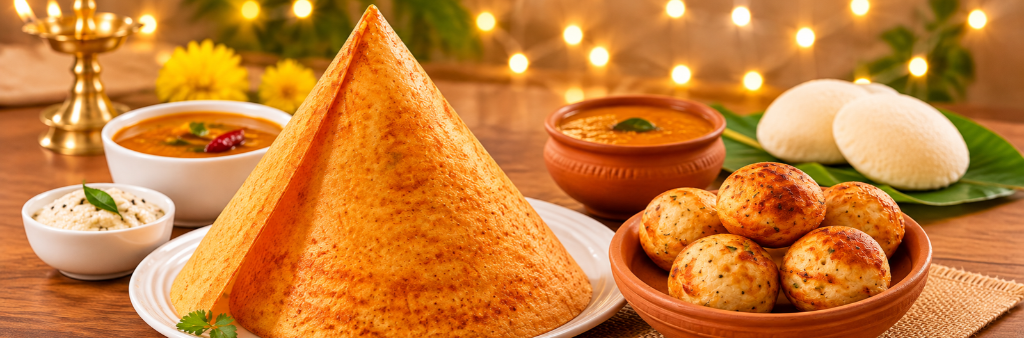
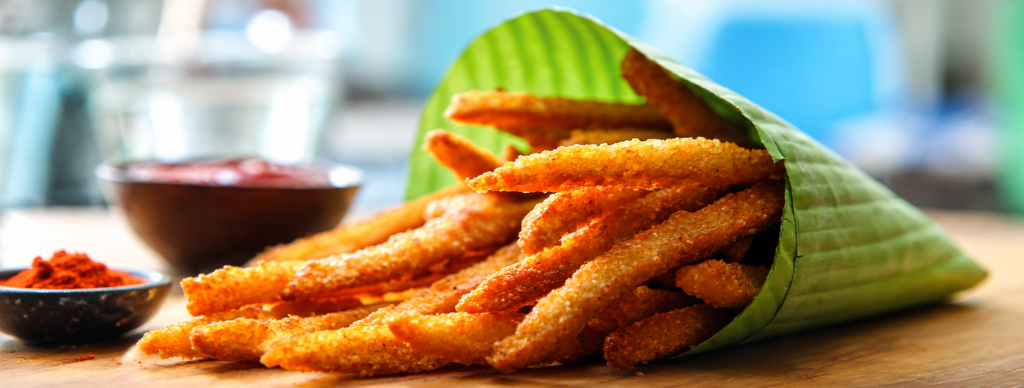
Diwali Special Food: Snacks, Sweets and Festive Dishes to Try


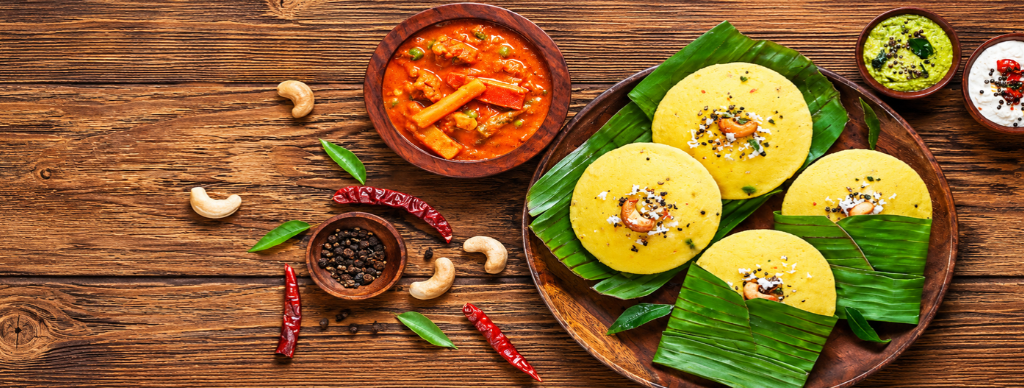
You put idli batter to rise overnight. How does it rise?
Curd is a superfood, but why does homemade curd have a tangy taste?
South Indian food? They are fluffy and light. And are great choices for a healthy breakfast.
It’s all because of fermentation, a natural process that Indian cooking has used for generations.
From the everyday curd to idli, dosa, and other regional rice preparations, Indian fermented foods provide us with distinct flavours and textures to our food. They can also offer nutritional benefits such as improved digestibility and nutrient availability.
Let’s learn about how fermentation works, why it matters and some traditional foods worth trying
Fermented foods are created when microorganisms, primarily bacteria and yeasts, convert sugars and other carbohydrates into simpler compounds.
Depending on the ingredients and micro-organisms involved, it makes acids, gases or alcohol.
If you’re wondering what fermented food means, think of it as a controlled transformation that alters a food’s flavour, texture and sometimes its nutritional properties. Learn more about its process next.
Did you know that fermentation also enabled communities to preserve food long before the invention of modern refrigeration?
Fermentation is the method by which suitable microorganisms act upon the carbohydrates in food.
In curd, the lactic acid bacteria convert the milk sugars into lactic acid. This gives curd its characteristic sour taste and thickens the milk.
In idli and dosa batter, the soaked rice and urad dal mix is fermented by naturally occurring bacteria and yeasts.
As the fermentation proceeds, the microorganisms produce acids and gases. The batter acquires a mildly tangy flavour and becomes lighter, making for soft idlis and well-textured dosas.
The temperature, time, and proportions of the ingredients influence the result.
So the batter might rise fast in the warm weather but slower in the winter.
Fermentation changes more than the flavour of food. It can also influence how the body metabolises and uses some nutrients.
During the fermentation process some of the more complex components of the food are also attacked by the micro-organisms.
This can make certain fermented foods easier to digest than their non-fermented counterparts.
Some people have individual tolerance and don’t have the digestive benefits like others.
Grains and legumes contain naturally occurring compounds called phytates that can block the absorption of some minerals.
Fermentation can reduce the phytate content and hence increase the availability of minerals such as iron and zinc.
That depends on the ingredients and the fermentation conditions.
Certain preparations, including some types of curd, contain living microorganisms when consumed.
These may interact with the gut microbiome, although their effects depend on the microbial strains and quantities present.
Are all fermented foods probiotics? No.
A probiotic must contain specific live microorganisms that have demonstrated health benefits in adequate amounts. Fermentation alone does not establish that a food is probiotic.
Cooking can also destroy many live microorganisms, even when the food retains other benefits of fermentation.
The mild sourness of dosa batter, softness of idli and tang of kanji all develop through fermentation.
Microbial activity changes the food’s structure and produces compounds responsible for its characteristic taste.
These qualities are a major reason traditional fermented foods remain popular across different regions.
Fermentation produces acids and other compounds that can slow the growth of some spoilage microorganisms.
This has made fermentation an important preservation method in many traditional food cultures.
However, fermented food is not automatically safe to store indefinitely. Proper preparation, hygiene and storage remain essential.
India’s regional cuisines use fermentation in several ways, from dairy products to grain-based meals and vegetable preparations.
Here are some familiar examples.
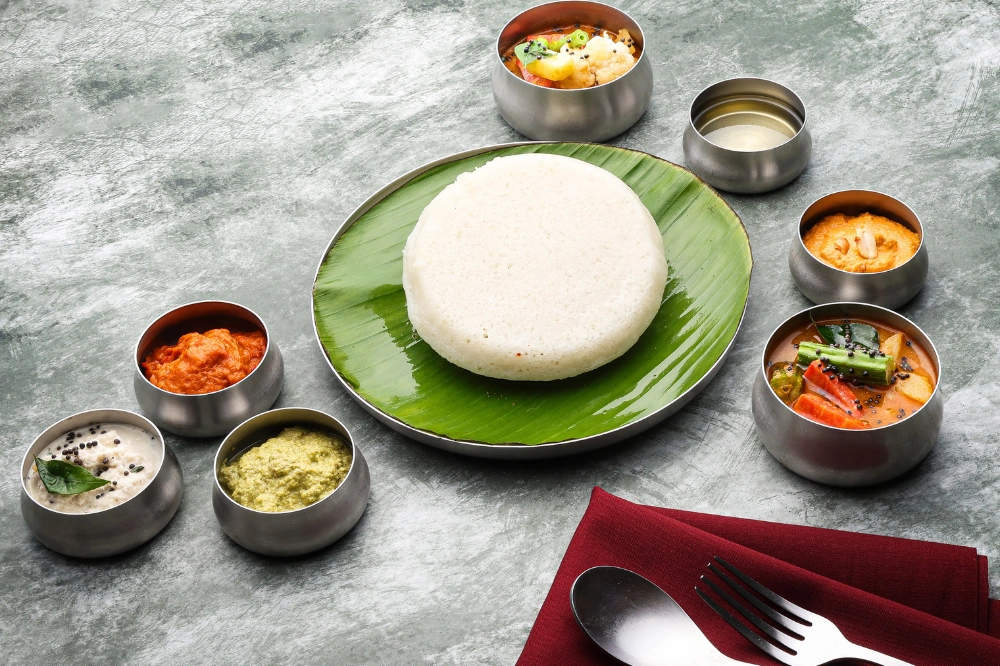
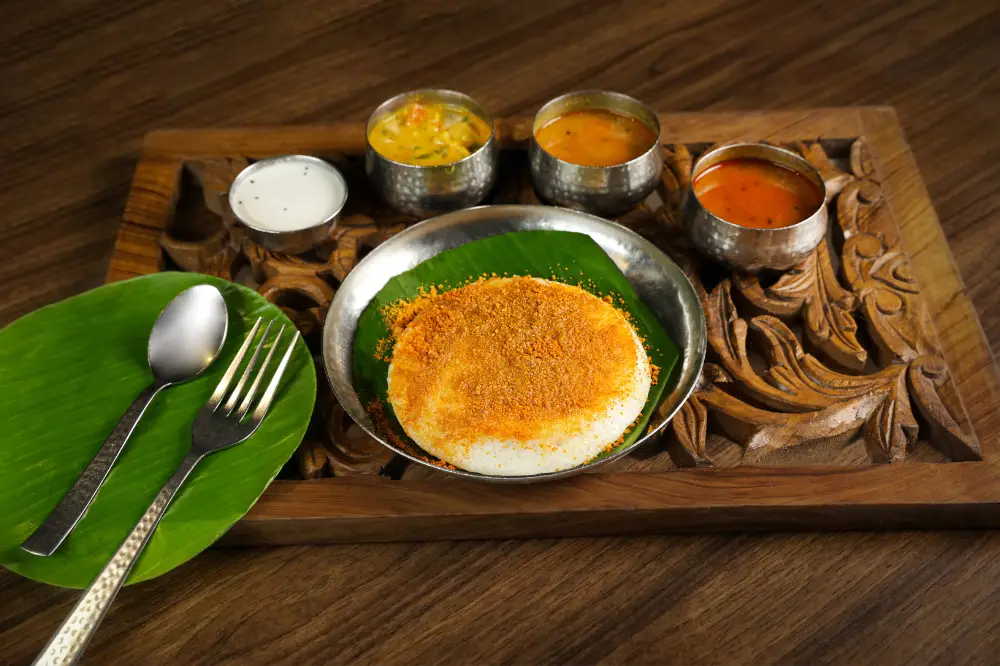
Idli is one of the most familiar examples of fermentation in South Indian cuisine.
Cooks prepare a batter using soaked rice and urad dal, then allow it to ferment before steaming.
Fermentation helps the batter rise, contributing to idli’s soft, airy texture.
Serve idli with sambar and chutney for a traditional breakfast.
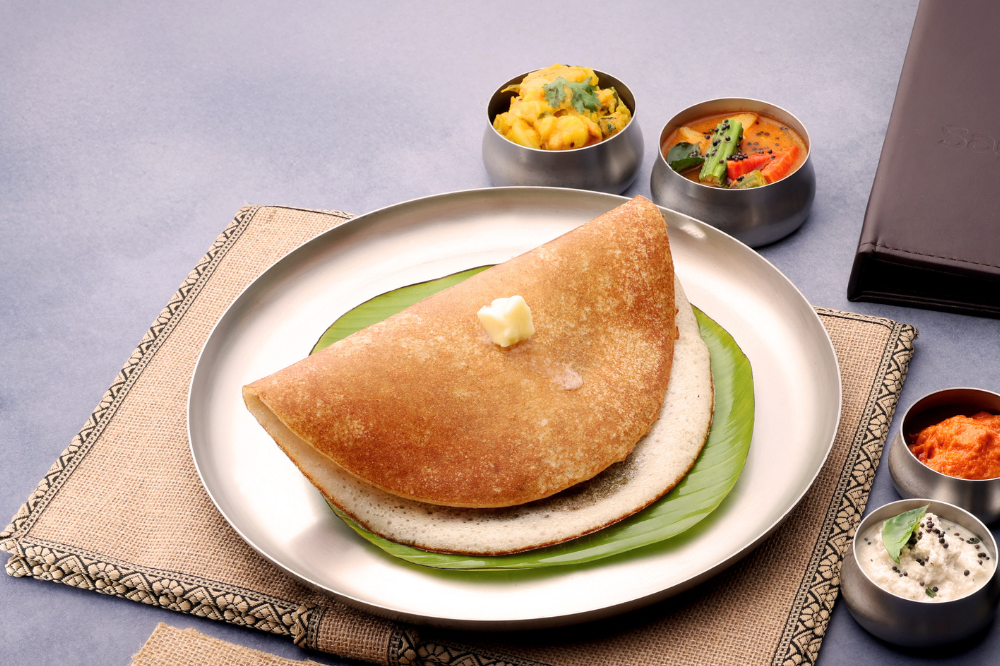
Dosa generally uses a fermented rice-and-urad-dal batter similar to idli, although the proportions and consistency may differ.
Instead of steaming it, cooks spread the batter across a hot tava to create a thin, savoury crepe.
The resulting dosa has a lightly tangy flavour and can be served plain or with fillings.
Idli and Dosa Benefits
Both preparations use fermented cereal-legume batters, which may improve digestibility and nutrient availability.
Idli requires no frying, while dosa can be prepared with moderate oil. Pairing either dish with vegetable-rich sambar adds variety and nutrients to the meal.
At Sagar Ratna, idli and dosa remain among our classic South Indian food favourites, reflecting a culinary tradition that relies on fermentation for flavour and texture.
Traditional fermented versions of dhokla use a batter made from rice, lentils or gram-based ingredients.
Fermentation contributes a mildly tangy flavour and helps develop a lighter texture.
However, not every dhokla recipe relies on fermentation. Some quick versions use fruit salt or other raising agents instead.
Kanji is a tangy North Indian beverage commonly prepared using black carrots, mustard seeds, water and salt.
The mixture ferments over several days, developing its characteristic sour flavour.
Kanji is especially associated with winter in parts of northern India.
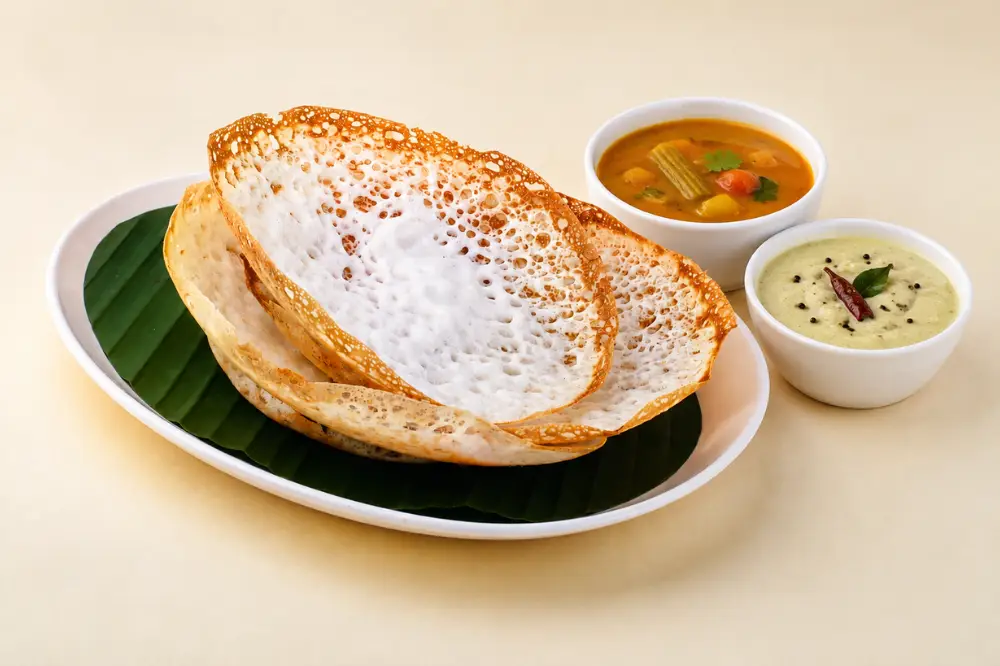
Appam is a soft, bowl-shaped preparation associated with Kerala. Many traditional recipes use fermented rice batter, sometimes with coconut.
Uttapam uses a thicker fermented batter, usually topped with vegetables such as onions and tomatoes.
Both demonstrate how different cooking techniques can transform similar ingredients into distinctive dishes.
Fermentation is one reason traditional South Indian breakfasts have such distinctive textures and flavours.
At Sagar Ratna, we celebrate these preparations through familiar favourites such as idli, dosa and uttapam.
Whether you’re planning breakfast with family or visiting a South Indian restaurant for a relaxed meal, these dishes offer an enjoyable introduction to fermented cooking.
Explore our menu and choose your favourite South Indian preparations on your next visit.
Curd, idli, dosa, traditional fermented dhokla and kanji are familiar examples. Regional preparations such as appam, pakhala bhata and gundruk also reflect India’s diverse fermentation traditions.
Neither is automatically healthier. Idli is steamed, while dosa is cooked on a griddle and may require oil; the overall nutritional value depends on serving size, ingredients and accompaniments.
No. Some contain live microorganisms, but only products with adequately studied beneficial strains qualify as probiotics. Cooking or heat treatment can also reduce or eliminate live cultures.
Fermentation can break down certain food components and may improve digestibility. However, the effect varies by food and individual, so it should not be treated as a guaranteed digestive remedy.
Fermentation often takes approximately 8–12 hours in warm conditions, but cooler temperatures may require longer. Look for a risen, airy batter with a mildly tangy aroma rather than relying only on the clock.

 Instagram
 Facebook
 Twitter