 India
India
 Netherlands
 Singapore


What Is Paniyaram? Ingredients, Types, and South Indian Origins



In This Blog
South Indian food is known for its balance of flavours, fresh ingredients, and traditions handed down through the centuries. It is a reflection of the diverse food culture of five southern states, catering to every taste, from crispy dosas and comforting sambar to flavourful chutneys and regional specialities.
The beauty of South Indian food is in its simplicity and depth of flavour. Every plate is a fusion of carefully chosen ingredients, traditional cooking techniques, and regional influences that have been passed down through generations.
Rice, lentils, coconut, spices and seasonal vegetables are the basis of many recipes. But the tastes vary greatly from place to place, as each state has its own ingredients, techniques, and food traditions.
Dosa and idli have a unique texture due to natural fermentation, which also makes them easier to digest.
It becomes easier to understand South Indian cuisine when we look at how different regions contribute their own identity to this rich food culture. Let’s look at that next.
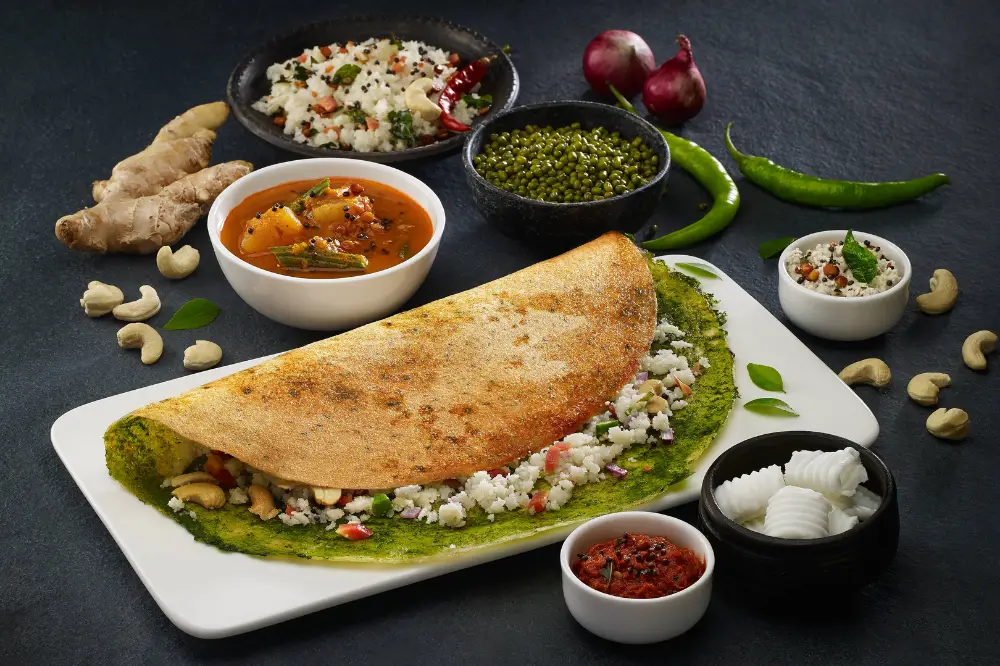
The tastes of South Indian food are derived from a fairly simple set of ingredients, used in various combinations. Also, being familiar with these ingredients explains the unique smells and textures of traditional dishes.
Some of the main ingredients are:
The beauty of these ingredients is that, depending on how you mix them you can create very different dishes. And that is what makes South Indian food so very familiar and diverse.
South Indian cuisine is thousands of years old and has been influenced by ancient kingdoms, local agriculture, and evolving cultural exchanges. The food habits of different communities evolved out of the availability of ingredients, climate, and lifestyle.
For example, coastal areas had coconut, seafood and rice-based dishes, while inland areas developed recipes with millets, pulses and locally grown vegetables.
Over the years, temple kitchens, royal households and local communities played an important role in maintaining traditional recipes. Many of the dishes we love today still have those influences.
The history of South Indian cuisine also speaks of how food transformed from simple everyday meals to a celebrated culinary tradition that’s enjoyed across the world.
Each region of South India have their own signature dishes, flavours and ingredients:
| Region | Popular Specialities | Unique Flavours |
|---|---|---|
| Tamil Nadu | Idli, dosa, rasam, pongal, and different types of sambar are widely popular. | Generous use of tamarind, lentils, curry leaves, and traditional spice blends. |
| Karnataka | Benne dosa, bisi bele bath, ragi dishes and Mysore pak. | Use of mild spices, coconut, and traditional rice recipes. |
| Kerala | Appam, stew, avial and coconut-based curries. | Coconut milk, spices, and coastal recipes. |
| Andhra Pradesh | Pulihora, spicy chutneys and traditional vegetarian meals. | Infuses bold flavours with chilli and tangy notes. |
| Telangana | Hyderabadi specialities and regional special dishes. | Rich spices and distinctive cooking methods are used. |
South Indian food has a wide range of dishes catering to different tastes, be it light breakfasts, comforting meals, or flavourful snacks. You can get the best versions of these dishes at an authentic South Indian restaurant like Sagar Ratna.
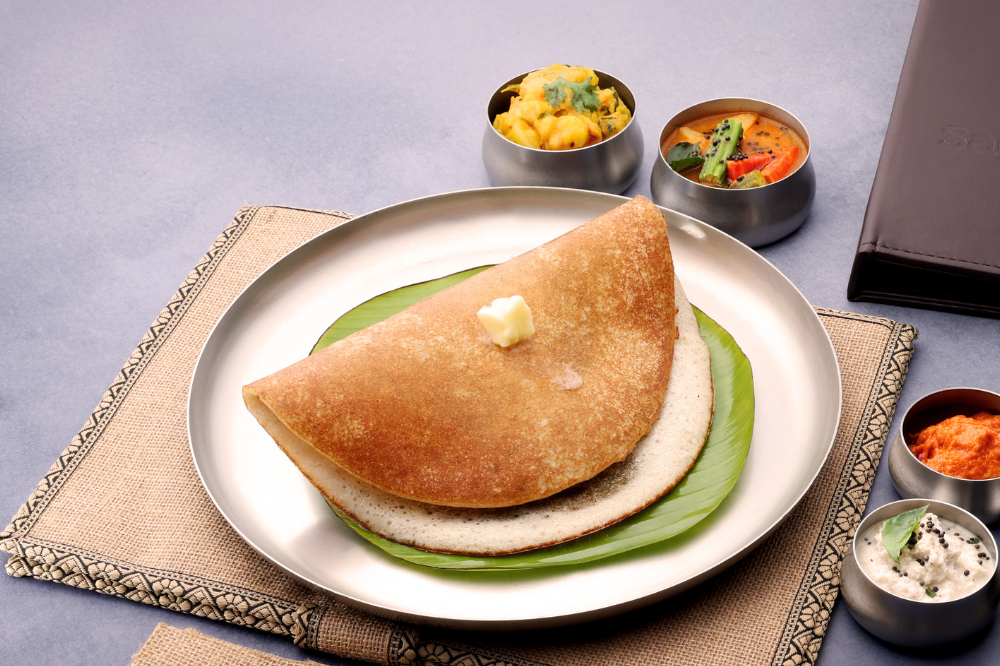
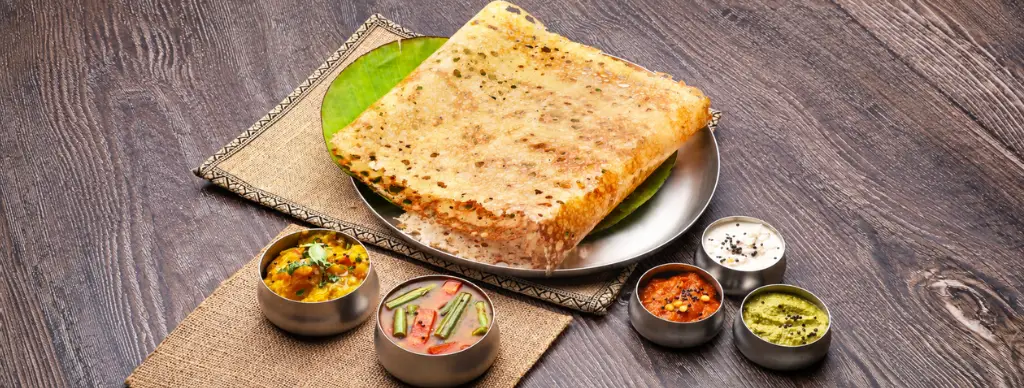
Dosa is one of the most popular South Indian dishes. It is made from a fermented batter of rice and lentils and prepared as a thin and crispy item. It is served along with sambar and chutney.
Among all dosa varieties, Benne dosa is special in Karnataka’s food culture. This dosa dish is prepared generously with butter and is known for its soft texture, golden colour, and rich taste.
The popularity of Benne dosa has grown beyond Karnataka, making it a favourite among food lovers who enjoy traditional regional flavours.
Idli is soft, steamed, and easily digestible, and still remains one of the most loved breakfast dishes in South India. It is generally served with sambar and South Indian-style chutney as part of a complete meal.
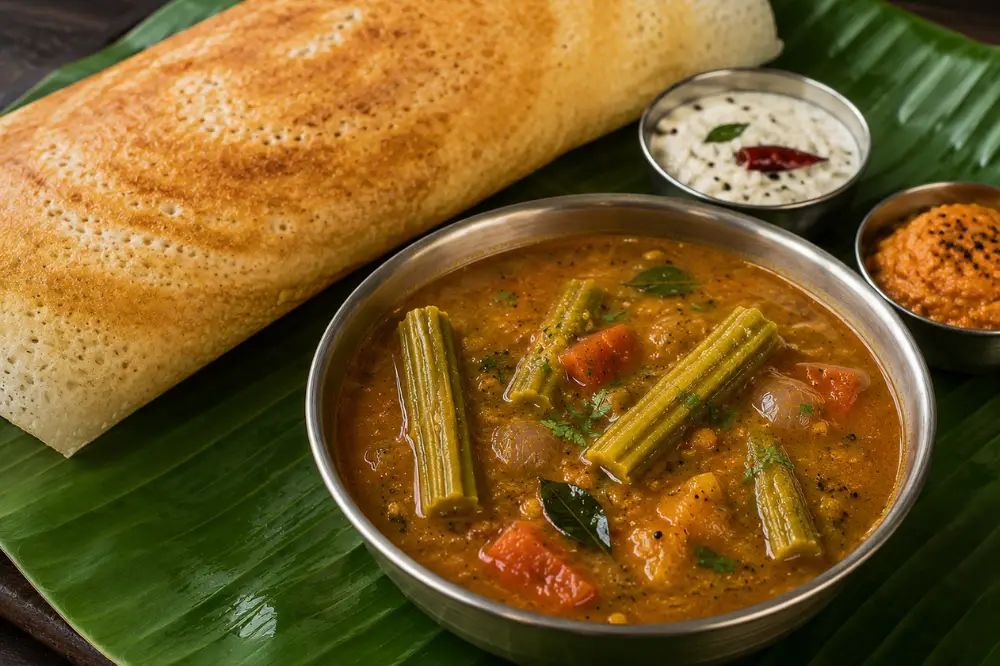
Sambar is an essential side dish to South Indian meals. It is a perfect blend of tangy, spicy, and comforting flavours, made with lentils, vegetables, tamarind, and spices.
There are many variations, depending on the region and ingredients used. The sambar in Tamil Nadu may not be the same as that prepared in Karnataka or Kerala.
Some common variations include:
The variety in each type of sambar highlights how regional preferences shape South Indian cooking.
While dosa, idli and sambar remain favourites, South Indian cuisine offers many more dishes worth discovering.
Vada is a popular savoury snack, made mainly with lentils. Crisp on the outside and soft and savoury on the inside, it goes well with sambar and chutney.
There are many types of vada but one of the most popular is medu vada. Its doughnut shape allows the outside to crisp while the centre stays light and tender.
Vada is usually consumed as a breakfast or evening snack but is also a part of traditional South Indian meal combinations.
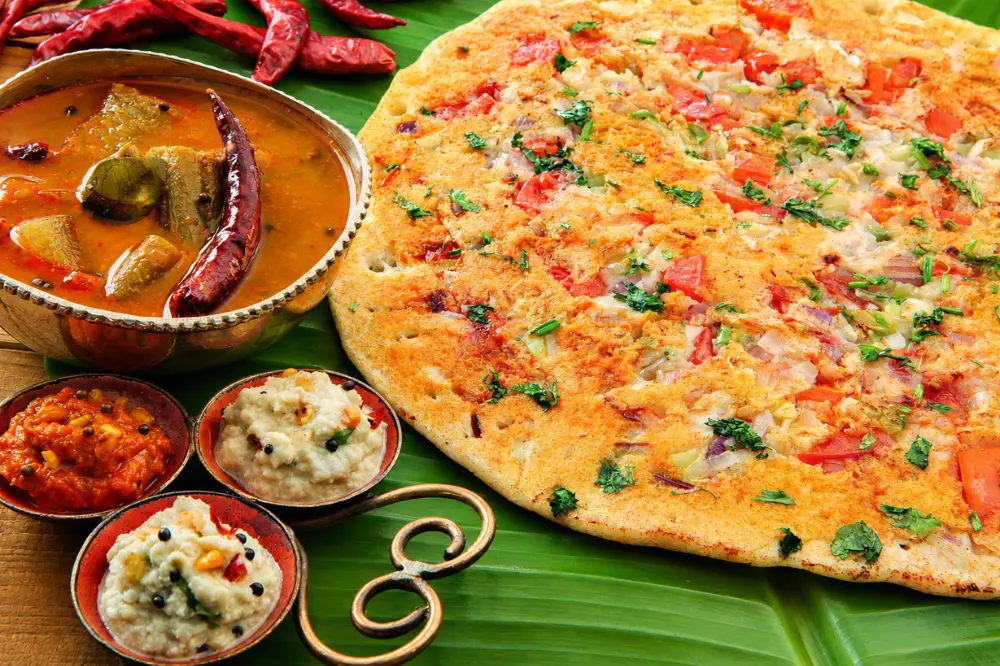
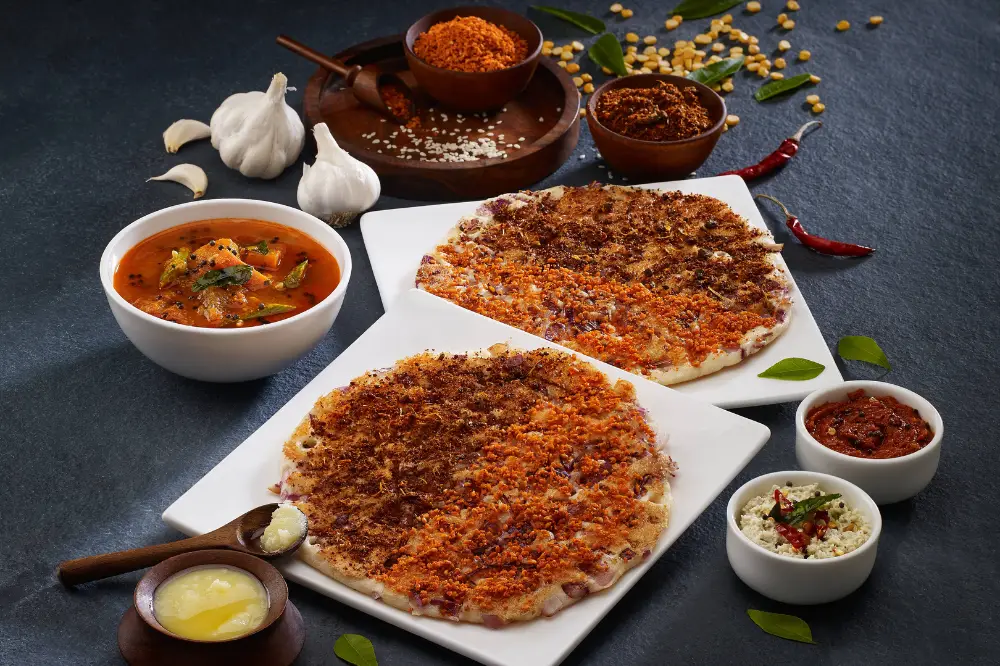
Uttapam is often called the thicker version of dosa, but the texture and the way it is cooked make it a different dish altogether. The batter is cooked into a soft pancake with a slightly crisp edge, not spread very thin.
It is commonly topped with ingredients such as:
Uttapam is generally served with sambar and South Indian chutney, making it a filling option for breakfast or a light meal.
Pongal is a traditional Tamil dish made of rice and moong dal. The savoury version, known as ven pongal, is usually spiced with black pepper, cumin, curry leaves, and ghee.
Its soft texture and warm flavours make it especially comforting. Pongal is a completely different eating experience to crispy dosa or vada, but it has many of the same staple ingredients that you find in all South Indian food.
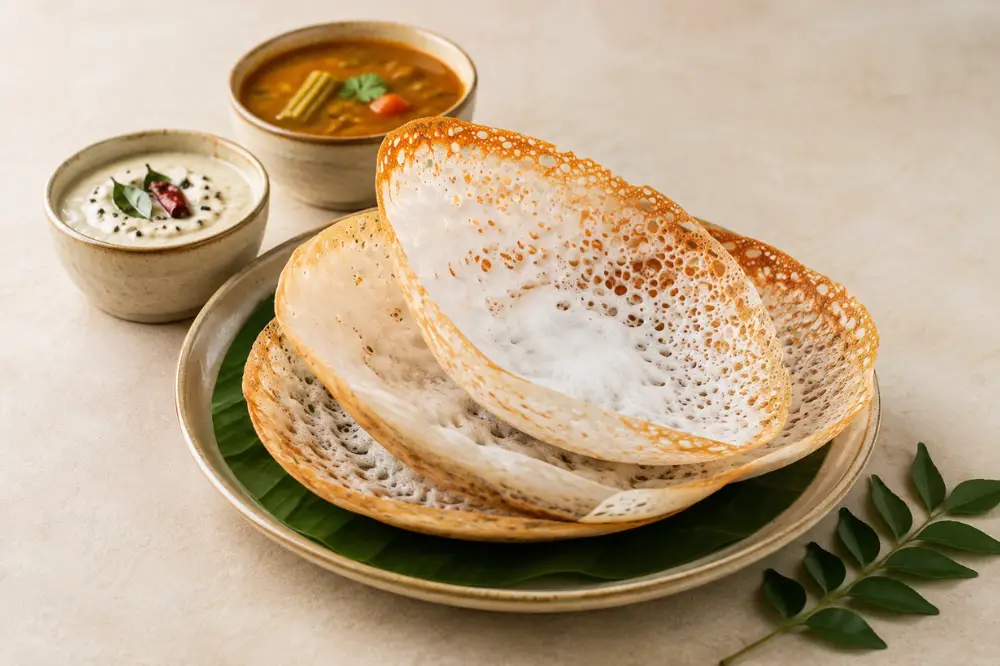
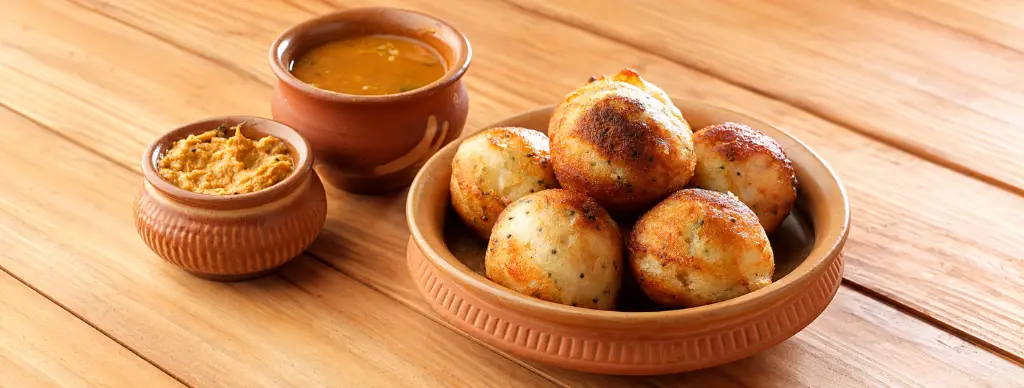
Appam is a fermented rice-based preparation and is mainly associated with Kerala. The centre is soft and fluffy, the edges thin and delicate and lightly crisp when cooked.
The neutral flavour of Appam makes it a perfect base for richer accompaniments. It is traditionally served with vegetable stew, coconut-based curries and other regional preparations.
Bisi bele bath is a healthy Karnataka preparation made from rice, lentils, vegetables, and a unique spice blend. The name itself refers to a hot dish of lentils and rice.
Bisi bele bath is one of the combination of several elements in one preparation, as opposed to dosa or idli, which are served with different accompaniments. Usually finished in ghee, served warm, and often with a crunchy accompaniment, such as boondi or papad.
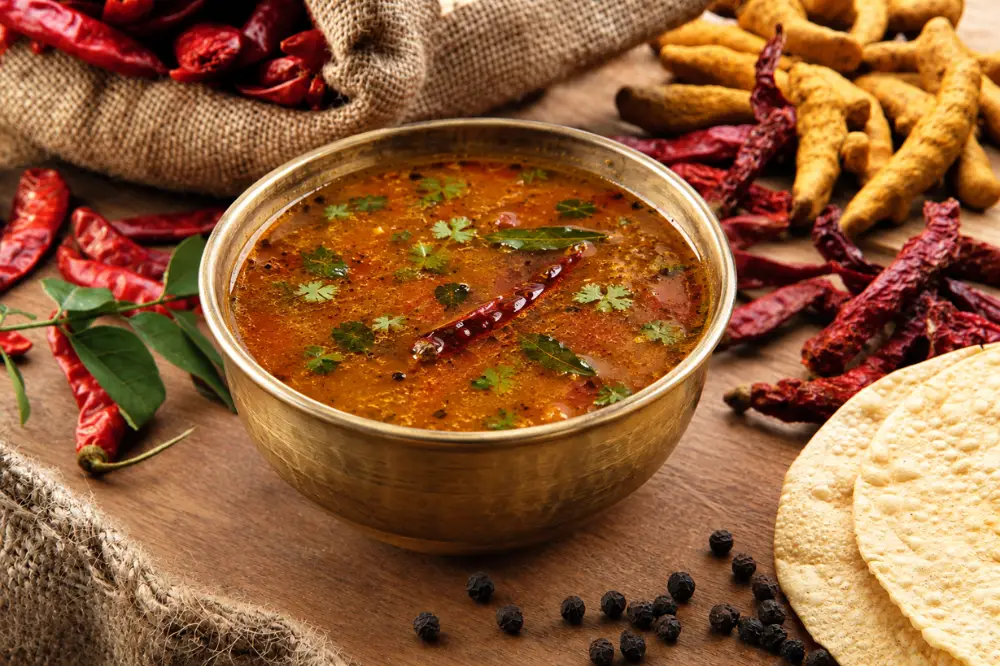
Rasam is a thin, spiced South Indian preparation traditionally made with ingredients such as tamarind, tomatoes, black pepper, cumin and lentils. Its tangy and aromatic profile makes it quite different from the thicker consistency of sambar.
There are many versions of rasam, including:
Rasam can be enjoyed on its own or poured over rice as part of a traditional South Indian meal.
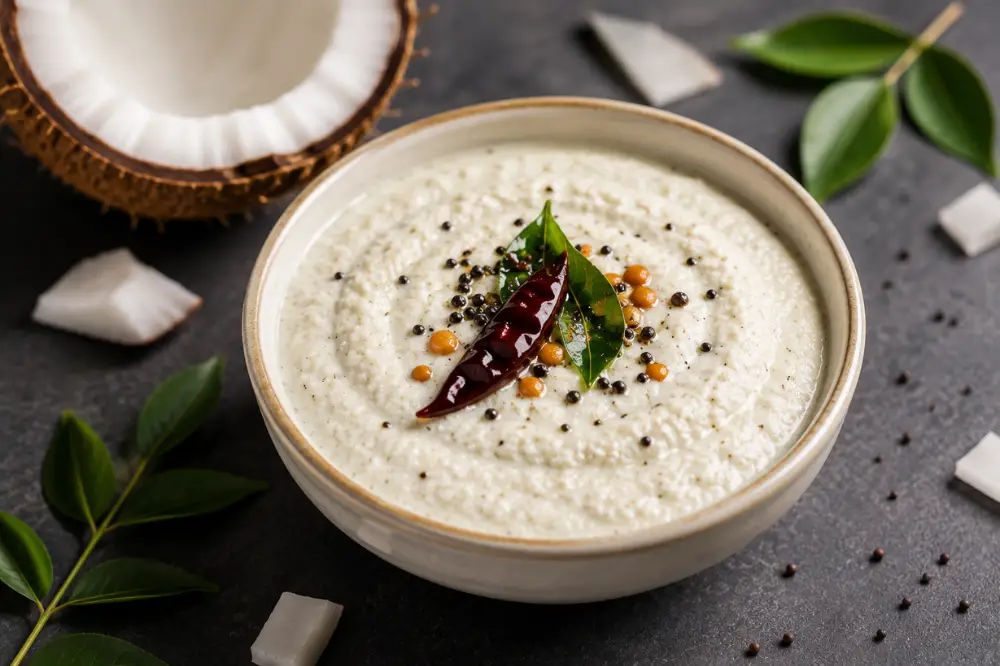
The right accompaniment is what makes a meal complete, and South Indian chutneys plays a key role in enhancing the overall taste of traditional dishes.
Chutneys add texture, freshness, and contrast to meals and are not just as a simple side dish. Core ingredients like coconut, peanuts, tomatoes, mint, coriander, and roasted spices are used as per the recipe.
Popular varieties include:
At Sagar Ratna, we prepare our chutneys multiple times a day using fresh ingredients and traditional methods to complement every dish.
Our focus is to present real South Indian tastes to our guests in the form of carefully prepared vegetarian dishes. Our menu is a tribute to classic recipes that retain the taste and quality that people associate with traditional South Indian meals.
From crispy dosa to comforting sambar to fresh chutney, each dish is a reflection of our commitment to authentic flavours.
South Indian cuisine is a celebration of local traditions, fresh ingredients, and timeless recipes. Each dish, from the crisp texture of Benne dosa to the comforting flavours of sambar and chutneys, tells a story of its origin.
At Sagar Ratna, we offer you these authentic flavours through our traditional vegetarian recipes, prepared with care. Come and taste the abundance of South Indian food and find your favourite regional specialities.
Some of the most popular dishes in South Indian cuisine are dosa, idli, sambar, vada, uttapam, pongal and appam. Each dish has its own regional variations and is often accompanied by tasty accompaniments such as South Indian chutney.
South Indian cuisine is characterised by the use of fermented foods, rice-based dishes, lentils, coconut, curry leaves, and traditional spices. The cuisine focuses on the balance of flavours, fresh ingredients and cooking techniques passed down through the generations.
The type of sambar varies across regions based on ingredients and cooking styles. Popular varieties include tiffin sambar, vegetable sambar, and Udupi-style sambar, each offering a unique combination of spices, vegetables, and flavours.
Benne dosa is a popular Karnataka speciality, famous for its intense buttery taste, crisp edges, and soft texture. It is made with traditional dosa batter and ample amounts of butter and has become a favourite among people who enjoy authentic regional dishes.
As a popular South Indian restaurant, we focus on preparing traditional South Indian dishes using fresh ingredients and time-tested recipes. From freshly made dosas and sambar to flavourful South Indian chutneys, every preparation reflects the authentic taste and essence of South Indian cooking.

 Instagram
  Facebook
  Twitter