 India
India
 Netherlands
 Singapore


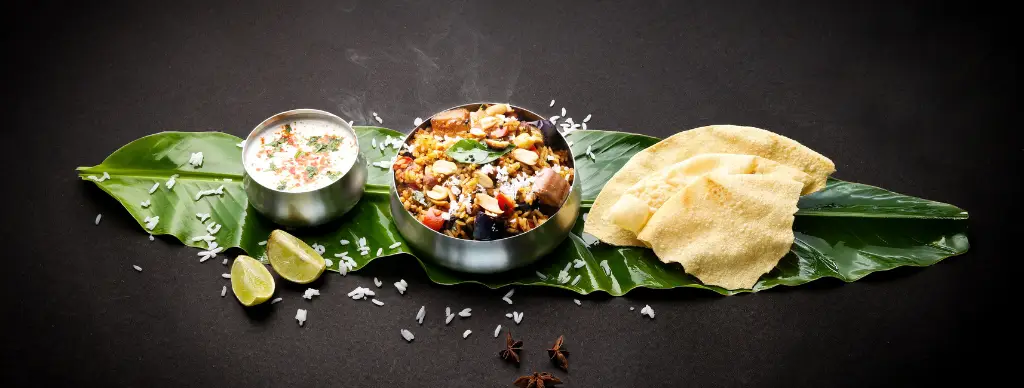
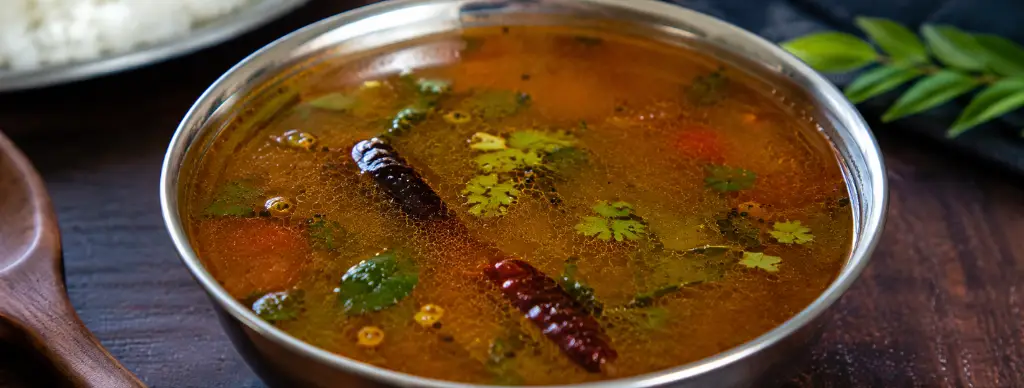
Authentic South Indian Veg Curries Made with Fresh Ingredients



In This Blog
The familiar aroma of curry leaves, roasted spices and fresh tempering instantly transports you to South Indian cuisine. The secret to this unforgettable experience lies in the careful balance of South Indian spices, which lend depth, warmth and character to every dish.
At Sagar Ratna, we believe authentic flavours are not just about ingredients. They are based on traditional techniques, a careful balance of spices, fresh ingredients, and authentic recipes that retain the real sense of South Indian cuisine.
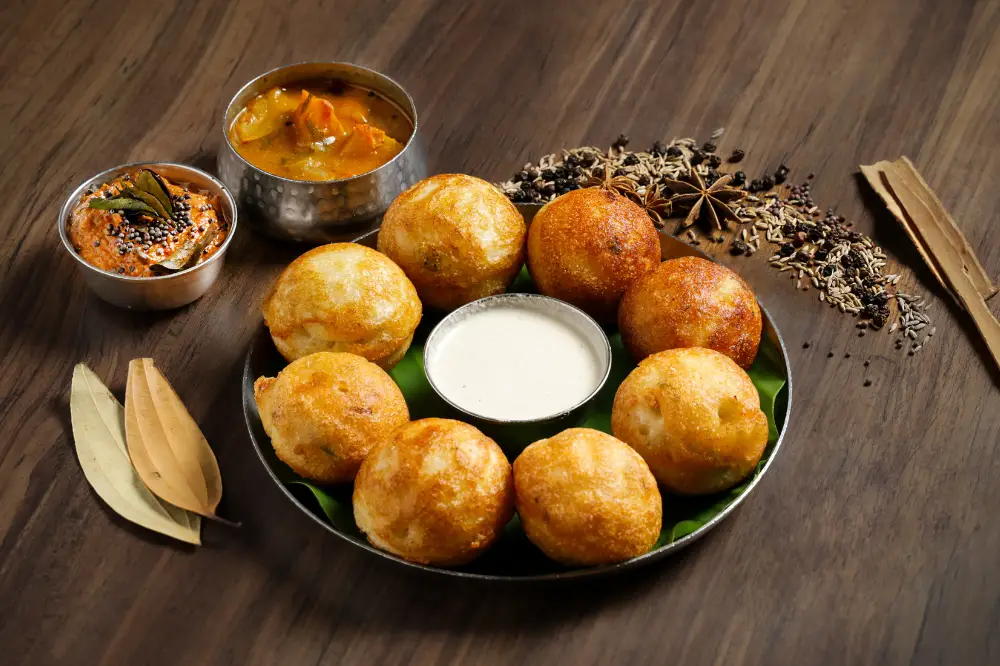
South Indian food isn’t just about the spice. The real magic is combining different flavours together in harmony.
In South Indian cooking, spices are used to enhance the natural flavour of the ingredients and not overpower it. The way spices are roasted, blended and tempered lends a unique identity to a simple bowl of sambar or a comforting rasam or a vegetable preparation.
The role of spices in South Indian cooking goes beyond flavour. They help create:
This thoughtful use of spices is what makes every dish feel distinctive, even when it uses simple everyday ingredients.
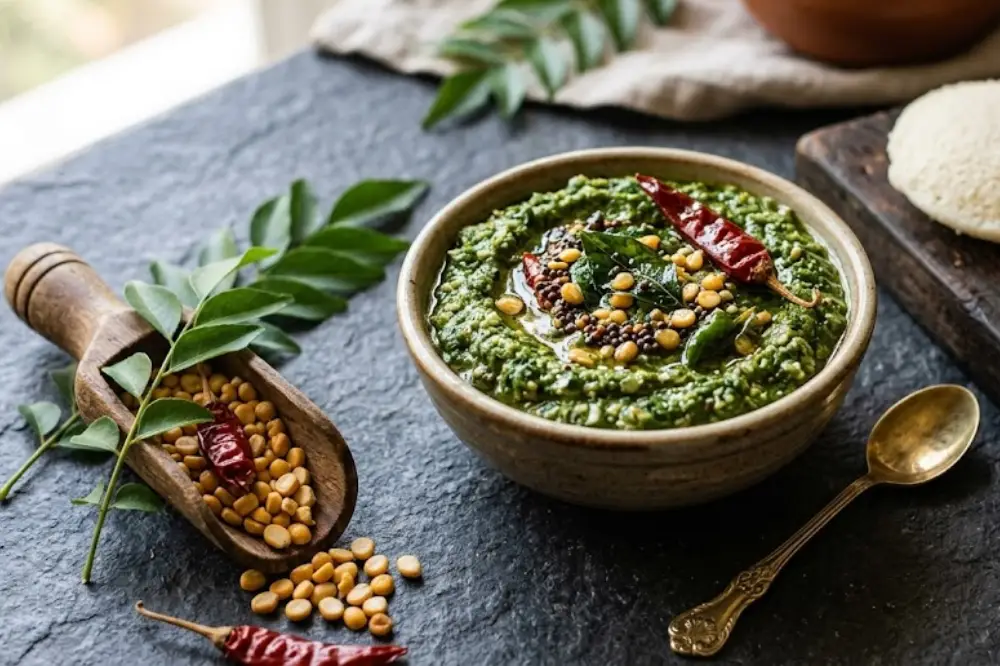
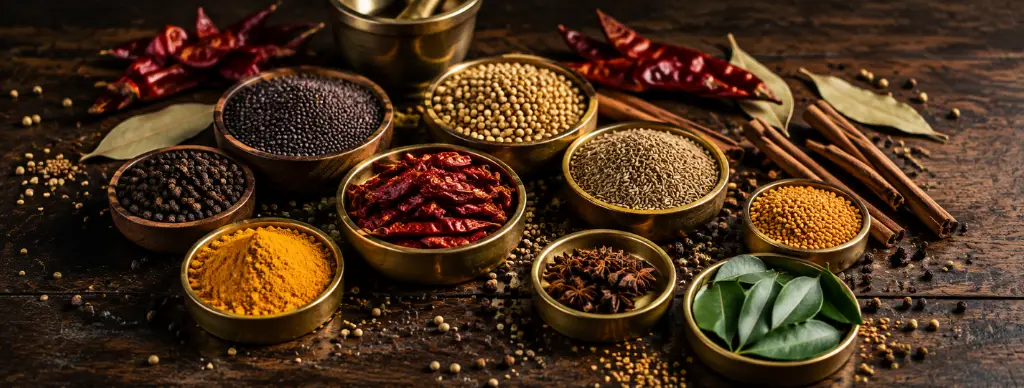
A traditional South Indian spices list includes numerous items, the majority of which are frequently used in day-to-day meals. However, depending on the location and personal preferences, households may have their own unique recipes and frequently used ingredients.
| Spice | Common Uses | Flavour Contribution |
|---|---|---|
| Mustard seeds | For tempering sambar, chutneys and vegetable dishes. | Adds a sharp, nutty aroma to the whole dish. |
Curry leaves |
Tempering, chutneys and rice dishes. | Provides a fresh herbal fragrance. |
| Cumin seeds | In rasam, spice blends and curries. | Adds warmth and earthiness. |
| Coriander seeds | Sambar powders and masalas. | Brings mild citrus notes and sweetness. |
| Black pepper | Rasam and traditional preparations. | Adds gentle heat and depth. |
| Fenugreek seeds | Sambar powders and pickles. | Creates complexity with slight bitterness. |
| Dry red chillies | Chutneys and spice blends. | Adds colour and controlled spice. |
| Turmeric | Curries and rice preparations. | Gives colour and earthy flavour. |
| Tamarind | Sambar, rasam and gravies. | Provides tanginess and balance. |
These are the most recognisable South Indian spice names, but it is the combination of spices that defines the flavour of each dish.
For instance, the same cumin can be used in rasam and a roasted mix, but the experience will be different in both cases. And it is the method that determines the flavor of the dish. These are the most recognisable South Indian spice names, but it is the combination of spices that defines the flavour of each dish.
For instance, the same cumin can be used in rasam and a roasted mix, but the experience will be different in both cases. And it is the method that determines the flavor of the dish.
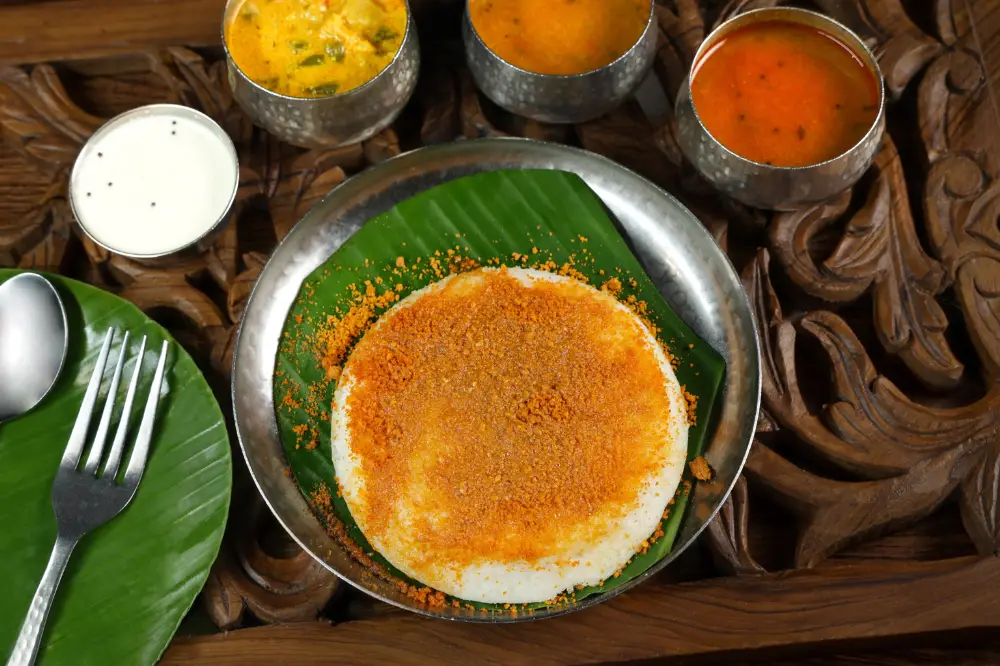
Many South Indian recipes use ground mixtures of spices rather than individual spices. South Indian spice powders consist of mixtures of selected ingredients in specified proportions. These mixtures are responsible for the distinctive aroma imparted to the various South Indian dishes. Some of the common South Indian spice mixtures are as follows:
These spice powders contain a blend of spices that enhance the deep-rooted flavours within the ingredients.
South Indian cuisine includes several regional traditions, and each one has its own approach to seasoning and spice combinations.
| Region | Spice Characteristics | Popular Flavours |
|---|---|---|
| Tamil Nadu | Spices are tangy, aromatic and balanced. | Famous for sambar, rasam, podi and rice preparations. |
| Kerala | Warm, layered and coconut-rich bases. | Pepper-based curries and coconut preparations. |
| Karnataka | Roasted and balanced. | Huli, saaru and regional masalas. |
| Andhra Pradesh and Telangana | Bold and intense. | Spicy chutneys, pickles and flavourful curries. |
This regional diversity shows why there is no single way to define South Indian food. The same spice can create a completely different experience depending on the local tradition.
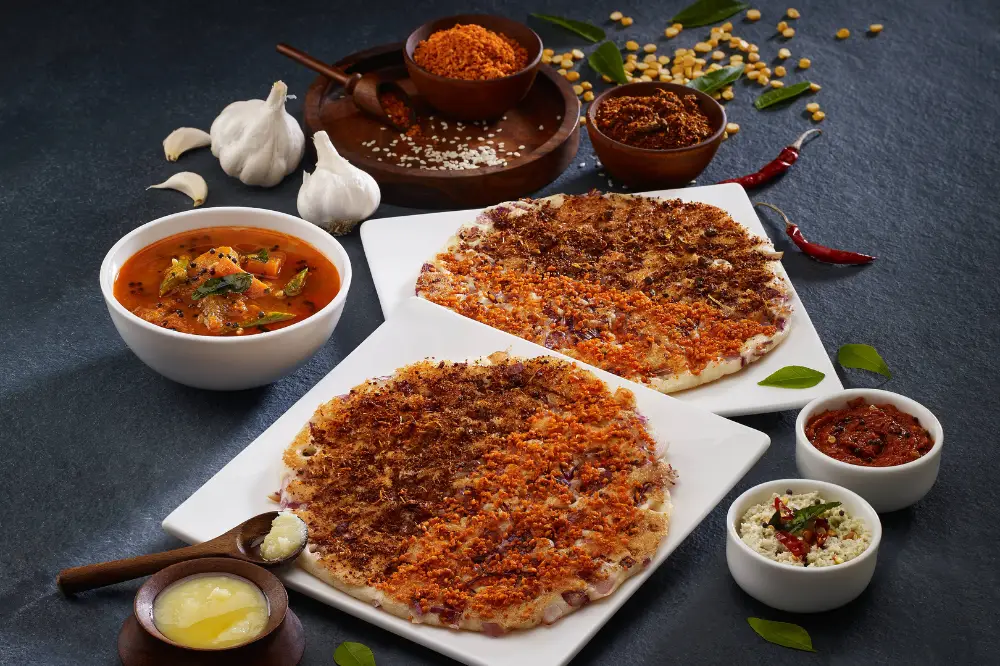
The final taste of a dish depends on the quality of the spices.
Whole spices stay aromatic longer, and toasting them before grinding helps release their natural oils. This is one of the reasons why traditional kitchens often make spice blends in small batches instead of simply using ready-made powders.
Authentic flavour is a combination of:
At Sagar Ratna, this approach is rooted in our conviction that fresh ingredients and authentic recipes create a more memorable dining experience.
A good spice blend can elevate modest ingredients into dishes with depth, aroma, and character.
South Indian spices are not mere ingredients. They are a testament to generations of cooking traditions, regional identities, and the art of creating balanced flavours.
We use fresh roasted blends, we use tempering on a daily basis, and each spice adds a certain uniqueness to the end product. We are still bringing these authentic tastes together at Sagar Ratna using traditional preparation methods and carefully crafted vegetarian meals.
If you want to try a South Indian restaurant in Delhi, these traditional flavours offer a way to experience the richness of the cuisine beyond the popular dishes.
Savour the aroma, the balance and richness which make South Indian food so different.
Mustard seeds, curry leaves, cumin, coriander seeds, black pepper, fenugreek, turmeric, dried red chillies and tamarind are commonly used South Indian spices. These are the base ingredients for many traditional dishes such as sambar, rasam, chutneys and vegetable preparations. Their flavour is determined by their roasting, blending and tempering during cooking.
South Indian spice powders combine different spices in carefully balanced proportions to create the signature taste of popular dishes. They add aroma, depth and complexity rather than only increasing the spice level. Preparations like sambar powder, rasam powder and podi get their distinctive flavours from these traditional blends.
No, spices in South Indian cooking are used to balance different flavours and aromas. Spices such as cumin, pepper, tamarind and curry leaves lend warmth, freshness and body to food. The goal is to bring out the natural flavour of the ingredients, not blast them with heat.
Freshly prepared spices retain their aroma and release stronger flavours when roasted and ground properly. Traditional cooking methods use these techniques to bring out the natural oils and character of each ingredient. This is why fresh ingredients and authentic recipes play an important role in creating memorable South Indian flavours.
A South Indian restaurant that follows traditional preparation methods can offer a better understanding of how spices shape regional dishes. At Sagar Ratna, carefully balanced spice blends are used to prepare classic vegetarian favourites with authentic flavours. For those searching for a South Indian restaurant in Delhi, exploring dishes like sambar, rasam and chutneys is a great way to experience this culinary tradition.

 Instagram
  Facebook
  Twitter