 India
India
 Netherlands
 Singapore


What Is Paniyaram? Ingredients, Types, and South Indian Origins



In This Blog
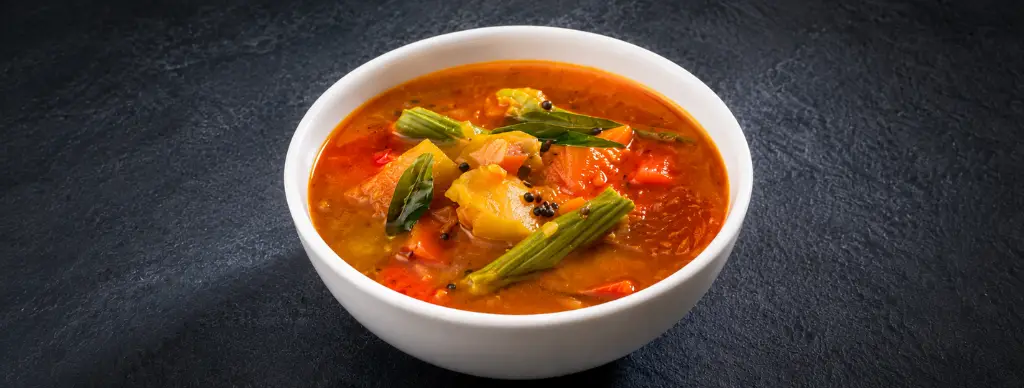
Ask people in South India what makes a good sambar, and you might get ten different answers. Some recall the taste of tamarind, sweet shallots, or the hot sambar soaking into soft idlis. Different people from different areas give different answers.
This is because sambar varies with geography, ingredients, traditions and the food it is served with. At Sagar Ratna, we see how deeply diners associate with these differences.
This blog delves into the best-known types of sambar through flavour, consistency and regional roots in South Indian cuisine.
Sambar, in most of its versions, starts with lentils (toor dal), tamarind, vegetables, spices and tempering. Change anything in the recipe, and the bowl becomes a different dish.
Different parts of South India have different types of sambar. Every sambar recipe tells us about the tastes and food culture of its region.
Here are the most popular sambar recipes you must try:
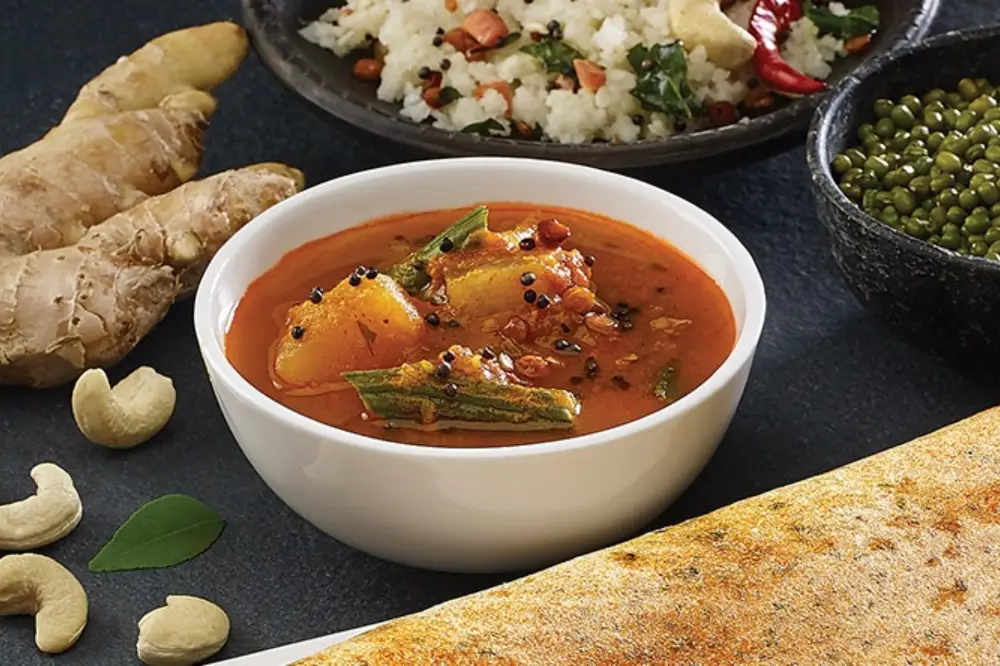
This everyday version uses toor dal, tamarind, shallots, sambar powder, and vegetables such as drumstick, brinjal, or pumpkin.
Popular across Tamil Nadu, it has a medium-thick consistency suited to rice. Its flavour is tangy, savoury, and lifted by mustard seeds and curry leaves.
It is the kind of sambar many people recognise instantly because no single ingredient dominates the bowl.
Arachuvitta sambar gets its character from freshly ground masala. Coconut, coriander, cumin, pepper, fenugreek, and red chillies create an aromatic paste.
Popular during Tamil festive meals, it is richer than daily sambar. Freshly ground spices give it a celebratory personality.
Its thicker body also helps the roasted flavours remain on the palate, making it especially satisfying with rice or a special breakfast spread.
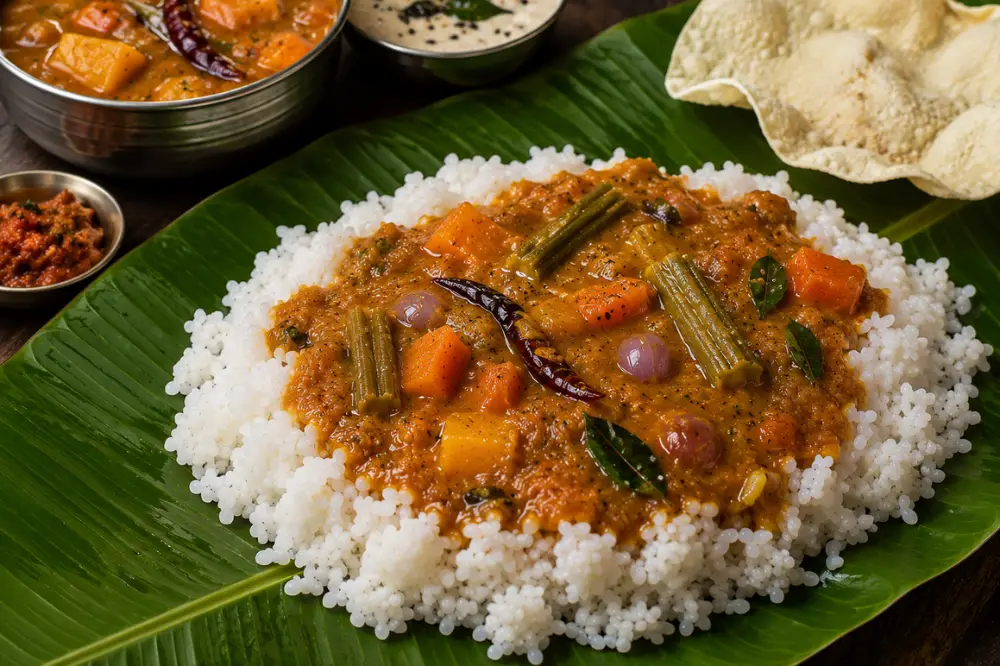
Kadamba sambar is a blend of drumstick, pumpkin, brinjal, beans, carrot, onion and seasonal produce. Each vegetable adds a different flavour and texture.
It is medium thick, generous, and is associated with Tamil weddings. One of the most colourful choices of sambar for rice, idli or dosa among the many types of sambar.
The name is fitting for the dish, as several vegetables come together without losing their individual character.
Pearl onions or shallots take centre stage here. The tamarind adds sweetness to the gravy, making it more rounded and sweet-savoury.
This favourite of Tamil Nadu is eaten with rice. Onions stay whole, adding softness and bite.
Vengaya sambar is based on the depth of one main ingredient, not on mixed vegetable preparations. And simplicity is what makes it so distinctive.
Vendakkai sambar uses okra as its defining ingredient. It adds gentle earthiness and gives the gravy a fuller body.
Common in Tamil homes, it combines toor dal, tamarind, sambar powder, and curry leaves. Its medium-thick consistency feels especially comforting with rice.
The okra must remain tender without disappearing into the gravy, allowing every spoonful to carry both texture and flavour.
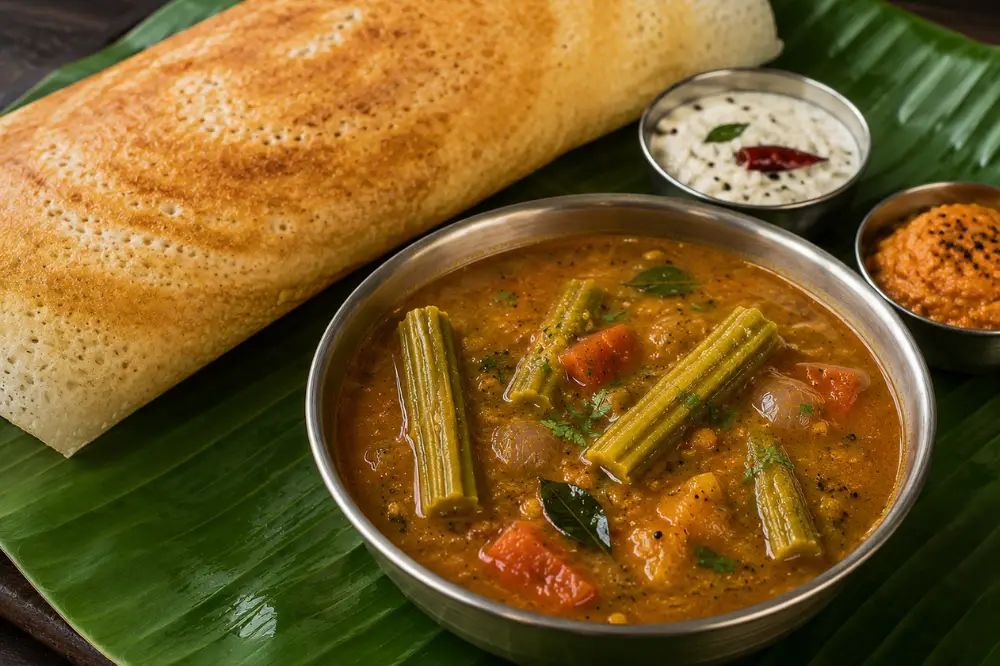
Few vegetables are more associated with sambar than drumstick. Its pods have a distinct aroma and a mild vegetable sweetness.
Popular across Tamil Nadu, Karnataka, Kerala, and Andhra Pradesh, it combines drumstick with toor dal, tomato, tamarind, and spices. Its consistency remains versatile.
People often enjoy drawing the soft flesh from the pods, making the experience as memorable as the flavour itself.
Udupi sambar from coastal Karnataka is famous for its balance rather than its aggressive spice. The tamarind lends a tang, the jaggery a restrained sweetness and the seasoning stays mild.
Its thinner consistency is perfect for idli, dosa and vada. This style also contributed to the classic South Indian restaurant experience associated with Udupi food traditions.
The sweetness does not dominate the dish. Instead, it rounds out the tamarind and makes for a welcoming finish.
Mysore sambar is sweet-sour and has a rounded spice profile. Toor dal, vegetables, tamarind, jaggery, and warming spices meld without fighting.
It is generally medium-thin and very popular all over Karnataka. A Mysore-style Sambar recipe is all about harmony, especially next to breakfast dishes.
It’s mellow at first, but the spices open up gradually, adding character to the bowl with each spoonful.
It is an iconic sambar dish that is known for its silky, thick consistency and a distinct sweet-sour balance. It mixes easily into soft foods without becoming runny.
Some recipes add dals for stability, and the vegetables are cooked until soft. It’s a staple in a South Indian restaurant menu.
Andhra sambar is generally hotter and more tamarind-forward than Karnataka styles. It contains less sweetness and coconut, allowing chilli and acidity to lead.
Its lighter consistency complements rice. Drumstick, brinjal, or okra may appear, but the lively finish defines it.
The heat does not simply sit on top of the dish. It works with the tamarind to create a brisk flavour that awakens the palate.
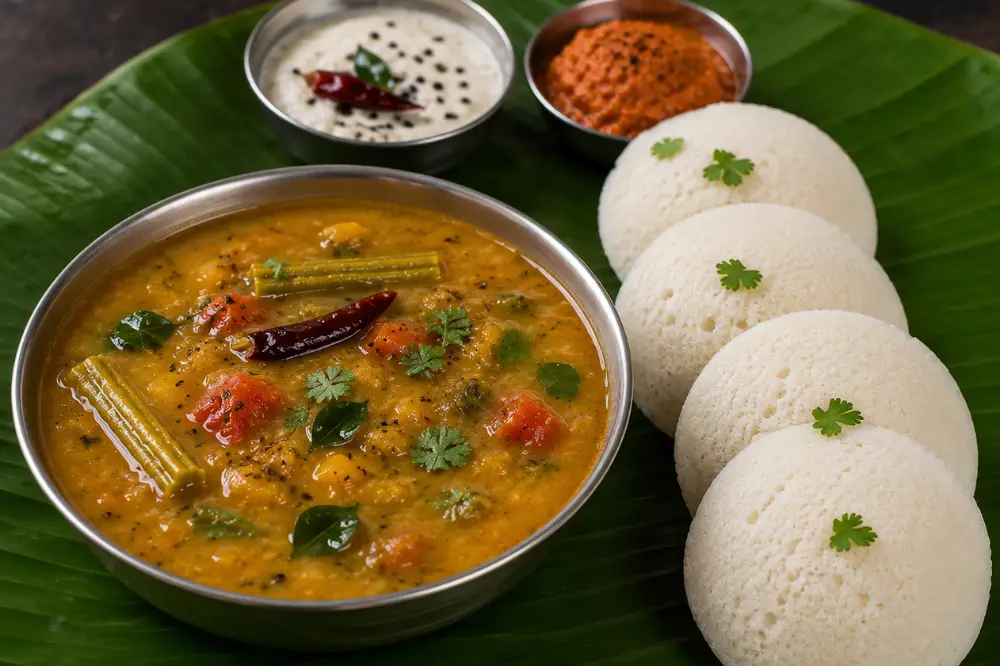
Pappu sambar is a blend of comforting dal and classic sambar. It still has the lentils in it, so it has a creamy texture and homely flavour.
Andhra homes love it.” It has tamarind with tomato or drumstick or okra. It doesn’t feel spicy; it’s just warm.
The dal is thick, and the dish feels substantial enough to be the centre of a simple rice meal.
Varutharacha sambar is distinguished by roasted coconut paste. Coconut, coriander seeds, red chillies, and spices develop nutty, lightly smoky notes before joining the lentils and vegetables.
Yam, pumpkin, and drumstick are common. Medium to thick in consistency, it represents the richer, coconut-led side of South Indian cuisine.
Coconut oil in the tempering adds another layer of aroma, giving the dish a regional identity that is difficult to mistake.
This is more of a lentil and vegetable curry than a breakfast sambar. A comforting mix of pumpkin, yam, coconut, cumin, curry leaves and tamarind.
Rice is great for its thickness. It sits on the plate like the sweetness of vegetables and the richness of coconut.
Instead of being a pourable side, it becomes a hearty part of the main course.
Bombay sambar is unusual because chickpea flour provides body instead of cooked dal. Tamarind, vegetables, and flour create a smooth, mildly thick gravy.
It pairs with idli, dosa, or rice and offers a quicker alternative. This distinctive sambar recipe shows how the sambar family accommodates clever adaptations.
Its flavour remains familiar enough to complement tiffin dishes, yet its texture clearly separates it from lentil-based versions.
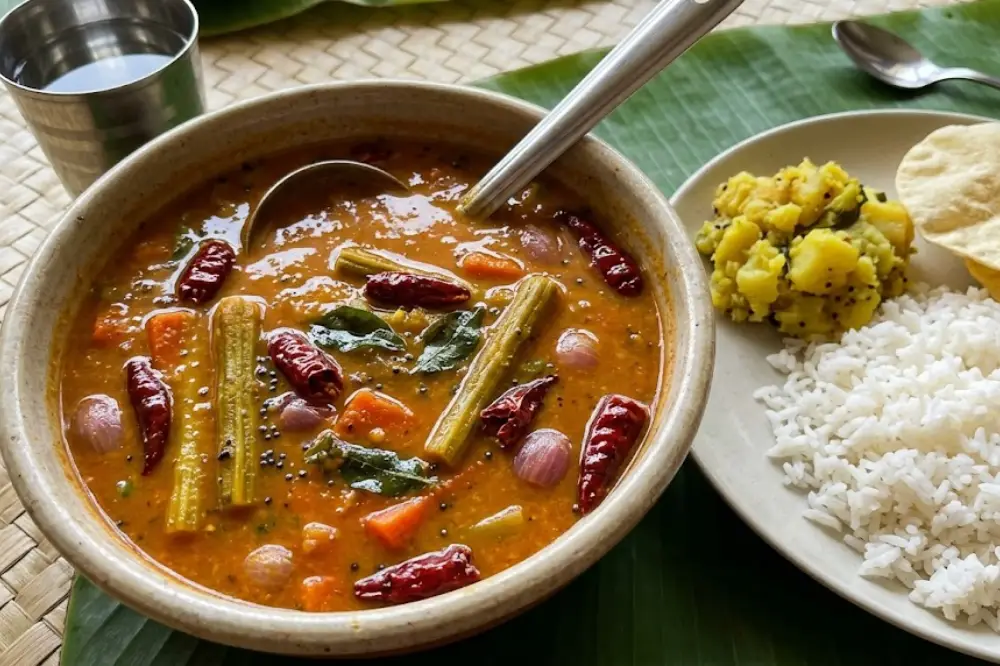
Associated with parts of Kerala and Tamil Nadu, killi potta sambar is defined mainly by its bold finishing tempering, especially mustard seeds.
The familiar base gains a sharper aroma and distinct identity from the final seasoning.
This version proves that sambar does not always need a completely different ingredient list. Sometimes, the final burst of tempering changes the entire experience.
When prepared traditionally, sambar brings together several nourishing ingredients in one bowl:
But its health value depends on preparation. The vegetable-rich one with moderate oil, salt and ghee is lighter than many rich gravies.
Sambar is also rich in cultural significance. It is found in home kitchens and festive meals and restaurant dining in Tamil Nadu, Karnataka, Kerala, Andhra Pradesh and Telangana.
Each region shaped it to suit local produce and taste preferences, which is why the dish now exists in so many different forms.
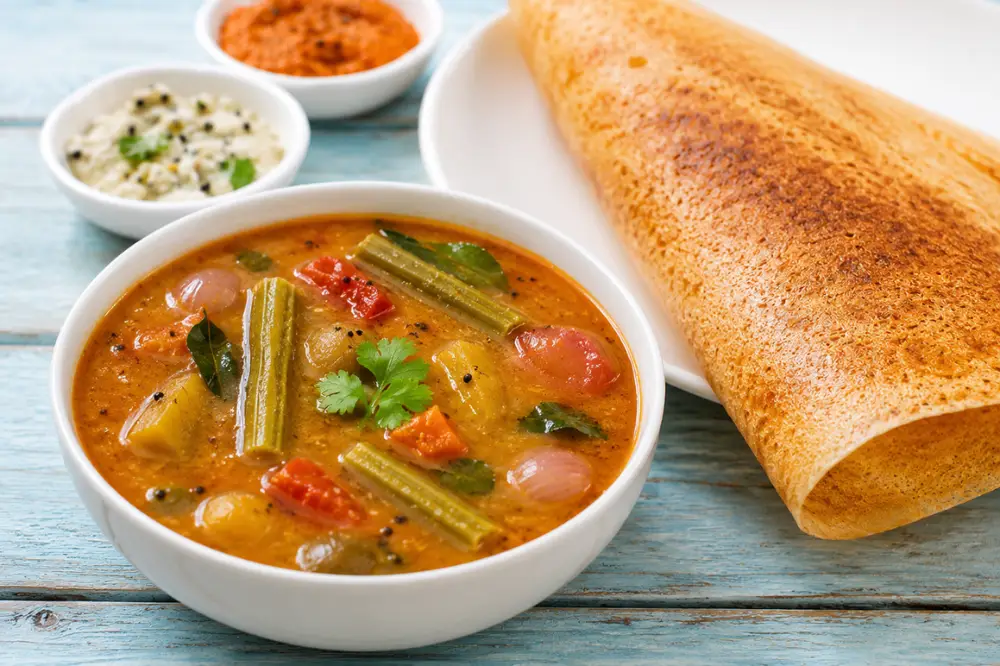
An authentic South Indian restaurant never treats sambar as an interchangeable side. The consistency, heat and acidity should support the dish next to it. That understanding has always been the basis for our approach to serving South Indian food.
Signature sambar from Sagar Ratna is made for the recipe that guests know and love. It is flavourful enough to be eaten by itself but is balanced enough to go with idli, dosa, uttapam, upma and vada.
Mini idlis dipped in hot sambar show this beautifully. They absorb its lentils, vegetables, tamarind, spices, and tempering.
Our approach reflects what we value in South Indian cuisine: balance, familiarity, consistency, and comfort. As an authentic Indian restaurant with a long connection to these flavours, we know sambar should complete the meal rather than merely accompany it.
Exploring these types of sambar shows how local ingredients and traditions reshape the same foundation. Some are sweet, some fiery, some coconut-rich, and others designed for breakfast.
Every sambar recipe carries a regional story, and that variety keeps sambar interesting. At Sagar Ratna, we celebrate this heritage through a signature style that pairs naturally with our most loved dishes.
Such differences bring greater meaning to each spoonful for any person discovering South Indian cuisine. Our guests can experience how a well-balanced bowl brings together idli, dosa, vada or uttapam.
Next time you visit a South Indian restaurant, observe the thickness, aroma, sweetness, heat and tempering. Those details help to differentiate the types of sambar and explain why each bowl has its own character.
Some of the most popular types of sambar include Tamil Nadu sambar, Udupi sambar, Mysore sambar, Andhra sambar, and Kerala varutharacha sambar. Each version differs in sweetness, spice level, vegetables, thickness, and use of coconut. Tamil varieties are often tangy, Karnataka styles are slightly sweeter, Andhra versions are spicier, and Kerala recipes are richer. These regional differences make sambar one of the most versatile dishes in South India.
Sambar can be a healthy part of regular meals because it combines lentils, vegetables, tamarind, and spices. It provides plant-based protein, fibre, vitamins, minerals, and naturally occurring antioxidant compounds. Its nutritional value is highest when it is prepared with enough vegetables and moderate amounts of oil, salt, and ghee. When paired sensibly with rice, idli, or dosa, it can make the meal more filling and balanced.
Sambar served with rice is usually medium-thick because it should coat the grains without becoming pasty. Idli and dosa are better paired with a thinner, pourable version that can be absorbed easily. Coconut-rich Kerala styles and dal-forward preparations are often thicker and more suitable for rice meals. A well-prepared Sambar recipe should therefore be adjusted according to the dish it is meant to accompany.
Yes, several traditional types of sambar can be prepared without onion or garlic. Temple-style and satvik versions often rely on vegetables, tamarind, lentils, asafoetida, curry leaves, and spices for flavour. Pumpkin, drumstick, brinjal, and tomato work especially well in such preparations. We make a carefully balanced tempering that helps the sambar remain aromatic and satisfying.
We prepare a signature-style Sagar sambar designed to complement a wide range of South Indian dishes. Its consistency allows it to pair equally well with crisp dosa, soft idli, vada, uttapam, and upma. The balance of lentils, vegetables, tamarind, spices, and tempering ensures that no single flavour becomes overpowering. This dependable taste is an important part of the experience guests expect from an established vegetarian South Indian restaurant like us.

 Instagram
  Facebook
  Twitter