 India
India
 Netherlands
 Singapore


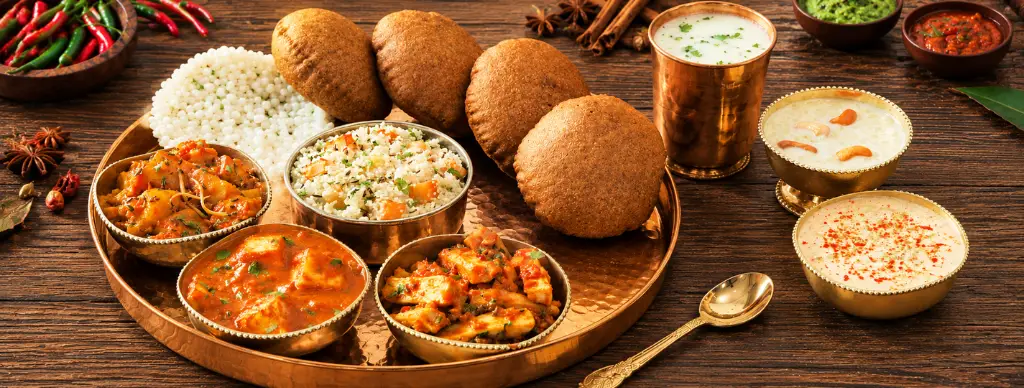
Looking for a Navratri Thali? Try Sagar Ratna’s Special Festive Feast



If you wish to enjoy hearty meals every day without sacrificing taste or nutritional benefits, watching calories is probably the last thing you want to do. However, it is totally possible with some of the popular low-calorie South Indian foods that we will discuss in this blog.
Why should you listen to us?
We are a well-known South Indian restaurant brand, with multiple industry awards and accolades to our name. We also have been commended by the Times Food Award as the Best South Indian Restaurant with value-led dining.
We serve only pure vegetarian, authentic South Indian food, which fits nicely with a balanced lifestyle.
South Indian food is naturally light since there are a lot of dishes which are cooked by steaming, fermentation, use of lentils, rice, vegetables, curry leaves, and simple tempering. It is not necessary for traditional South Indian food to be heavy, creamy, or prepared through frying.
As a 100% pure vegetarian restaurant, we focus on serving your palate and health with nourishing well-balanced meals.
The following low-calorie dishes are simple, balanced and easy to fit into the daily meals. Their calorie values are approximate and can vary depending on the size of the portion, the oil, chutney, sambar and the style of preparation.
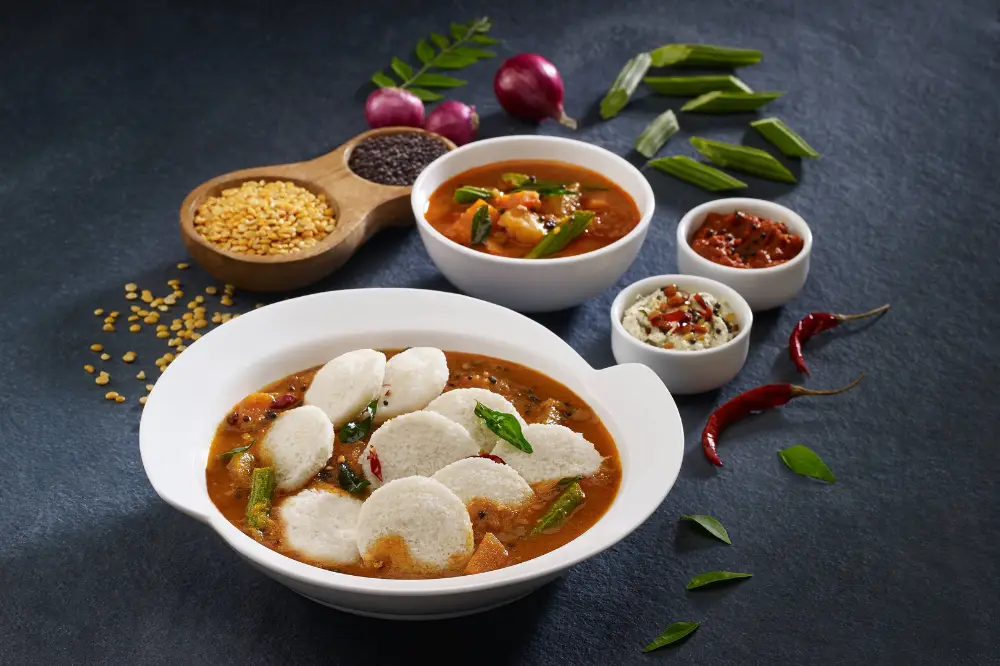
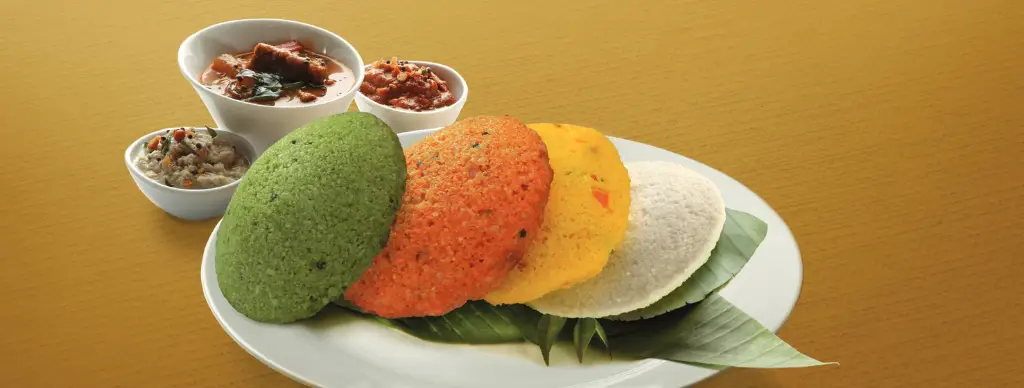
Idli is a steamed cake of rice, which is made from the fermentation of rice and urad dal flour batter. It is one of the most loved dishes in authentic South Indian cuisine because it is soft, light, and has easily digestible properties.
How is it prepared?
On average, one plain idli contains around 39 calories, without extra tempering, chutney or sambar.
You can enjoy idli with sambar for a more filling meal. You can also eat it with coconut chutney, tomato chutney, or podi. For more fibre, vegetable idli is a smart choice.
Sambar is a lentil and vegetable stew made with toor dal, vegetables, tamarind, and spices. It makes a healthy addition to many low-calorie South Indian foods because it provides proteins and fibres to the dish along with warmth.
How is it made?
Calories: Approximately 60 to 80 per serving.
Pair sambar with idli, dosa, uttapam, ven pongal, or steamed rice. You can also enjoy it like a light soup. Adding more vegetables makes it fuller without making it heavy.
Rasam is a thin, tangy, peppery South Indian soup. This delicacy is light and warm, ideal for consumption whenever there is a need for comfort but no heaviness. Rasam is one of those dishes served in our vegetarian restaurant whose taste is both simple and fulfilling.
How it is made?
Rasam preparation involves cooking tamarind water together with tomatoes, garlic, pepper, cumin, coriander, turmeric, and dried red chillies. In some cases, a little bit of cooked dal may be included as an ingredient. Rasam may contain light tempering of ingredients such as mustard seeds, curry leaves and asafoetida.
Calories: On average, a serving of rasam contains about 59 to 60 calories.
Serving suggestion: Rasam may be consumed as a hot soup. It can also be eaten with some steamed rice.
Pesarattu is a dosa made with whole green moong dal. It is a useful choice for guests who want authentic South Indian food with increased protein content and fewer refined ingredients.
How is it made?
Approximate calories: One pesarattu usually has around 100 to 150 calories.
You can eat pesarattu with ginger chutney, coconut chutney, or sambar. You can also add onions, tomatoes, or coriander on top while cooking.
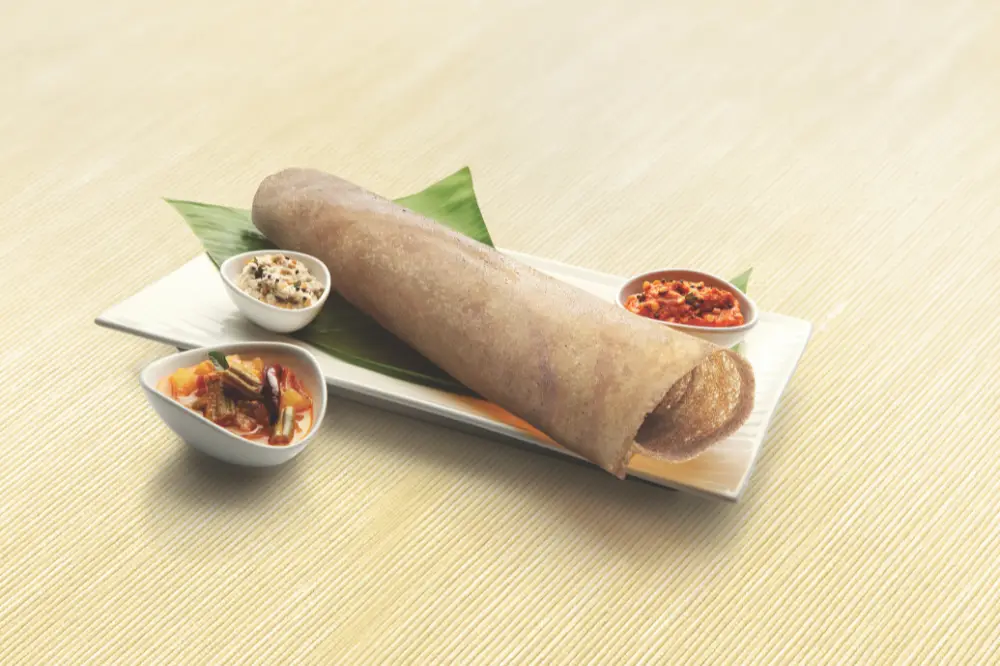
Ragi Dosa contains finger millet flour, urad dal, and some quantity of rice flour. It provides variety to authentic South Indian food, promoting healthy eating.
How is it made?
The ragi flour is combined with urad dal, rice flour, salt, and water. The batter can be left for fermentation to improve flavor and digestion. It is spread into thin slices and placed on a heated tawa to cook until crisp.
Approximate calories: One ragi dosa usually has around 80 to 100 calories, depending on size and oil.
Serving suggestion: You can serve it with sambar or coconut or tomato chutney. For a fuller meal, add a light vegetable filling instead of heavy masala.
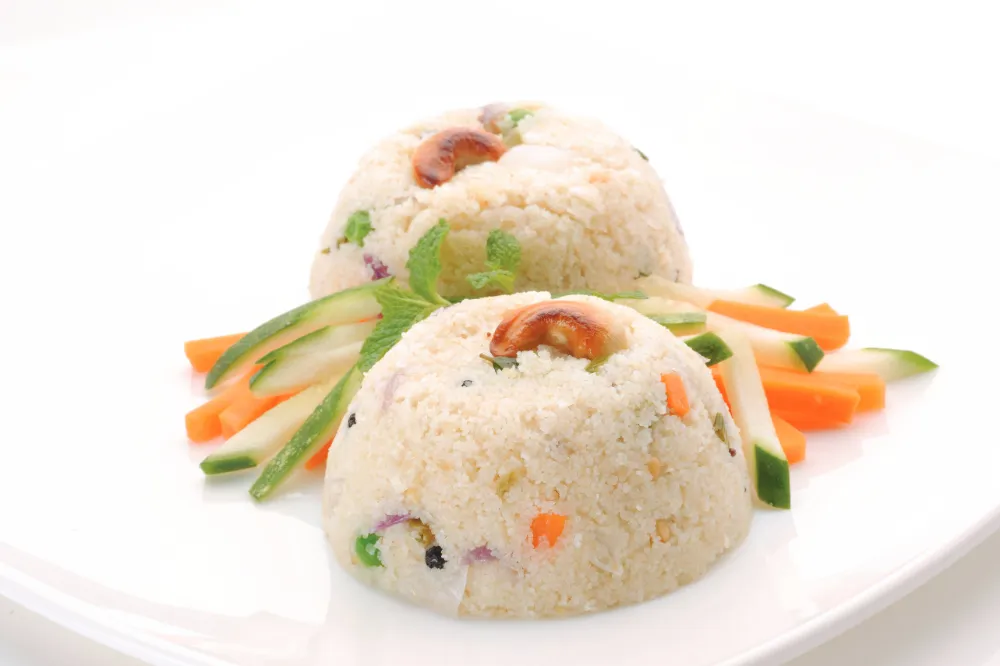
Vegetable upma is a savoury meal prepared from roasted semolina along with vegetables.
Vegetable upma is nutritious, practical, and satiating. It is also possible to make the dish with light ingredients such as oats or quinoa in place of semolina or with more vegetables.
How is it made?
Approximate calories: One portion of vegetable upma typically contains 150 to 200 calories. Oats or quinoa versions may be lighter, depending on the recipe.
Eat it with coconut chutney or a small serving of pickle. To keep it lighter, increase vegetables and use less oil.
Vegetable uttapam is a soft savoury pancake made from fermented idli or dosa batter. It is topped with onions, tomatoes, capsicum, coriander, and green chillies.
How is it made?
Fermented batter is poured thick on a hot tawa. Chopped vegetables are added on top. The uttapam is cooked slowly with minimal oil until golden on both sides.
Approximate calories: One vegetable uttapam usually has around 180 calories. Smaller low-calorie versions made with lighter batters may be lower.
Eat it with sambar or tomato chutney. Choose vegetable toppings to make the meal more balanced.
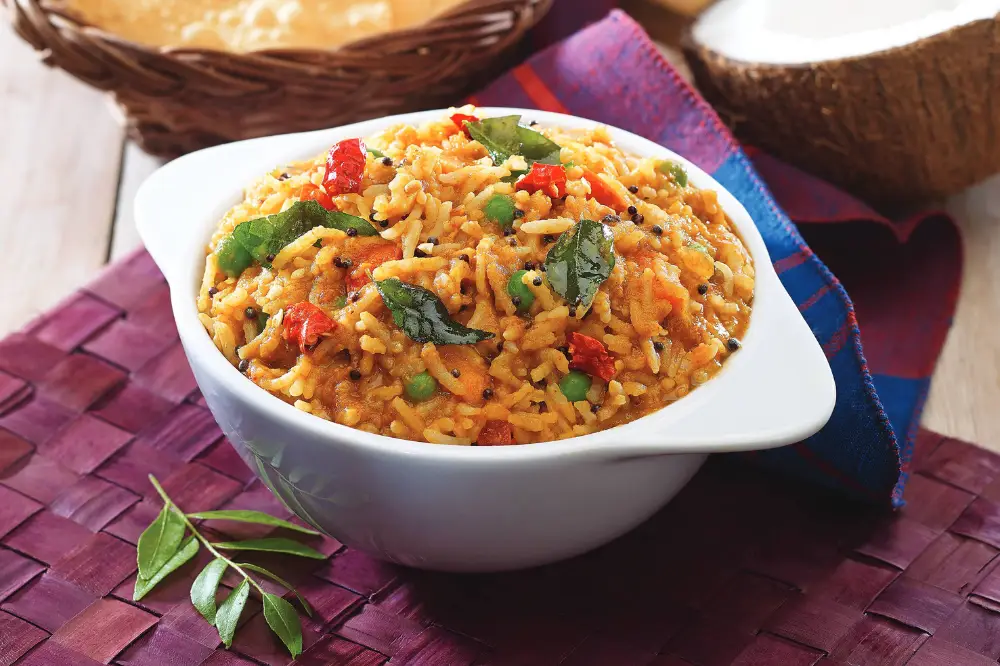
Lemon rice, also called chitranna, is a tangy rice dish made with lemon juice, curry leaves, turmeric, and light tempering. It can fit into a light eating plan when portion size is controlled.
How is it made?
Cooked rice is cooled and mixed with mustard seeds, dals, curry leaves, green chillies, turmeric, and lemon juice. Peanuts may be added in small amounts for crunch.
Approximate calorie: A low-calorie serving may have around 90 calories. A classic serving can go up to around 207 calories.
Pair lemon rice with curd or rasam. You can also add carrots, beans, or peas to make vegetable lemon rice.
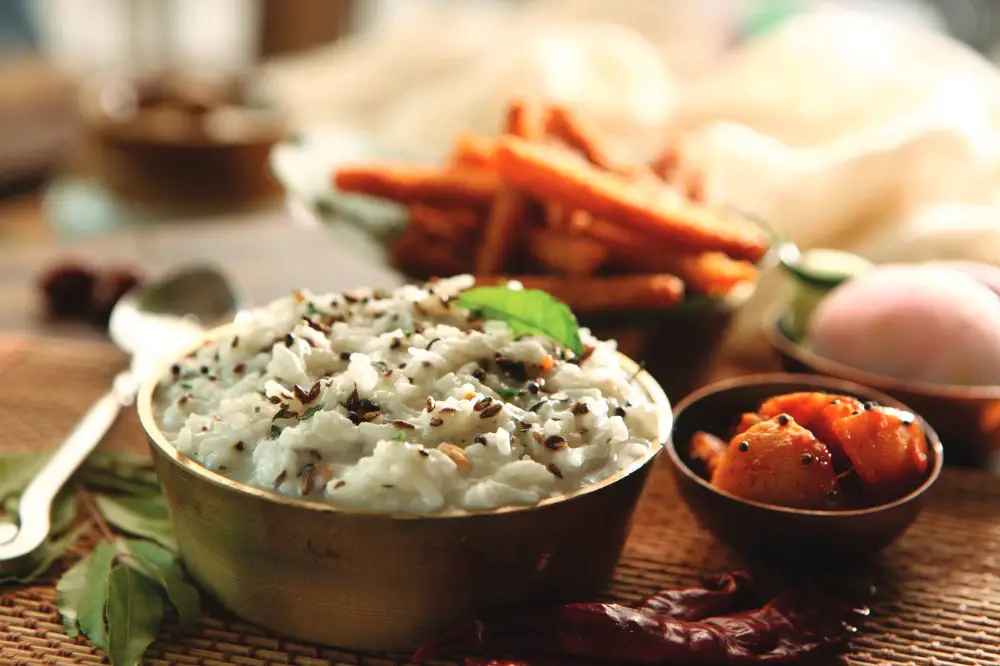
Curd rice, or thayir sadam, is a cooling rice and curd dish. It is popular as an authentic South Indian cuisine because it seems simple, peaceful, and comforting.
How is it made?
Approximate calorie intake: A low-fat and vegetable-based serving would contain about 50 calories. A traditional serving may contain many calories, depending upon rice and curd content.
One can consume thayir sadam for dinner or lunch. Vegetables such as cucumber, carrot, or pomegranate may be added to it for more quantity without increasing heaviness.
| Food | Approximate Calories Per Serving | Key Benefits |
|---|---|---|
| Idli | ~39 per idli | Light and low in fat Easy to digest Fermented and gut-friendly Naturally gluten-free Provides carbohydrates and plant protein |
| Rasam | ~59 to 60 | Very light on the stomach Supports digestion Soothing during cold weather Hydrating and flavourful Uses spices known for warmth and comfort |
| Sambar | ~60 to 80 | Rich in fibre Offers plant-based protein Keeps meals filling Adds vitamins and minerals Uses spices like turmeric and curry leaves |
| Ragi Dosa | ~80 to 100 | Rich in calcium Good source of fibre Naturally gluten-free More filling than plain dosa Suitable for millet-based diets |
| Lemon Rice | ~90 (low-calorie serving) | Quick and simple Easy to digest in small portions Lemon adds vitamin C Works well for lunch Can include vegetables for extra fibre |
| Pesarattu | ~100 to 150 | High in plant protein Lower in carbs than regular dosa Naturally gluten-free Filling and energising Good for breakfast or post-workout meals |
| Vegetable Uttapam | ~180 | Contains fermented batter Includes vegetables More filling than plain dosa Offers fibre and flavour Good for breakfast or evening meals |
| Vegetable Upma | ~150 to 200 | Filling and warm Easy to customise Good source of energy Can include many vegetables Suitable for breakfast or light lunch |
| Low-Fat Curd Rice | ~50 (low-calorie serving) | Cooling and soothing Supports digestion Provides calcium and protein Works well after spicy meals Can be made lighter with low-fat curd |
Small changes can make your favourite dishes lighter without changing their original flavour. Try these simple tips:
These tips help with weight management, better health, and balanced daily meals.
As a vegetarian restaurant, we believe that food should feel enjoyable first. Healthier options become much easier to stick to if they still taste familiar.
This sample plan is for simple, weight-conscious eating. Calories may change with serving size, oil, chutney, sambar, and preparation method.
| Meal Time | Option | Approximate Calories |
|---|---|---|
| Breakfast | 2 plain idlis with one serving of sambar | ~140 to 180 |
| Mid-Morning | Plain buttermilk | ~40 to 70 |
| Lunch | Small low-calorie lemon rice with curd | ~180 to 250 |
| Evening | Rasam as a hot soup | ~59 to 60 |
| Dinner | Ragi dosa with sambar | ~160 to 220 |
We know people want food that feels tasty, familiar, and somehow sensible at the same time. Not complicated, just right.
At Sagar Ratna restaurant, you get authentic South Indian cuisine with the comfort of pure vegetarian dining. Our menu gives guests plenty of ways to enjoy idli, dosa, uttapam, rasam rice dishes and those everyday favourites you keep coming back for.
And because we are India’s most trusted vegetarian restaurant, the whole experience stays inclusive for people who prefer pure veg meals. The flavours feel grounded, simple, and genuinely connected to authentic South Indian cuisine, not just inspired by it.
When you visit any of our outlets, ask yourself one clear question: Do I want something steamed, fermented, vegetable-rich, or portion-friendly today? That one little question makes it easier to enjoy low-calorie South Indian foods without your meal feeling strict.
Low-calorie South Indian foods show that mindful eating does not have to feel plain. With steamed dishes, fermented batters, lentils, vegetables, rasam, and controlled portions, food can stay light and enjoyable.
At Sagar Ratna restaurant, we believe good food should support your routine, not disturb it. Visit us when you want authentic South Indian food from a vegetarian restaurant that values taste, balance, and tradition.
Some of the best low-calorie South Indian foods include idli, rasam, sambar, ragi dosa, pesarattu, vegetable upma, and curd rice made with low-fat curd. These dishes are usually lighter because they use steaming, fermentation, lentils, vegetables, and controlled oil. They also feel filling without making the meal too heavy.
Yes, dosa can fit into a low-calorie diet when you choose the right type and portion. Plain dosa, ragi dosa, and pesarattu are better choices than butter-loaded or heavily stuffed versions. Pairing dosa with sambar instead of excess chutney can make the meal more balanced.
Many dishes from authentic South Indian food are easy on digestion because they use fermented batters, lentils, spices, and light cooking methods. Idli, dosa, rasam, and curd rice are commonly preferred when people want something gentle and comforting. However, portion size and oil quantity still matter.
At a vegetarian restaurant, you can choose idli with sambar, rasam, ragi dosa, vegetable uttapam, or a small serving of lemon rice with curd. These dishes offer flavour without feeling too rich or oily. At Sagar Ratna restaurant, you can build a lighter plate by choosing steamed, fermented, or vegetable-rich options.
Yes, many low-calorie South Indian foods work well for dinner because they are warm, light, and satisfying. Rasam rice, idli with sambar, ragi dosa, and vegetable uttapam are good dinner-friendly options. Keep the portions moderate and avoid extra ghee, butter, or fried sides for a lighter meal.

 Instagram
  Facebook
  Twitter