 India
 Netherlands
 Singapore


Traditional South Indian Snacks to Enjoy This Festive Season


In This Blog
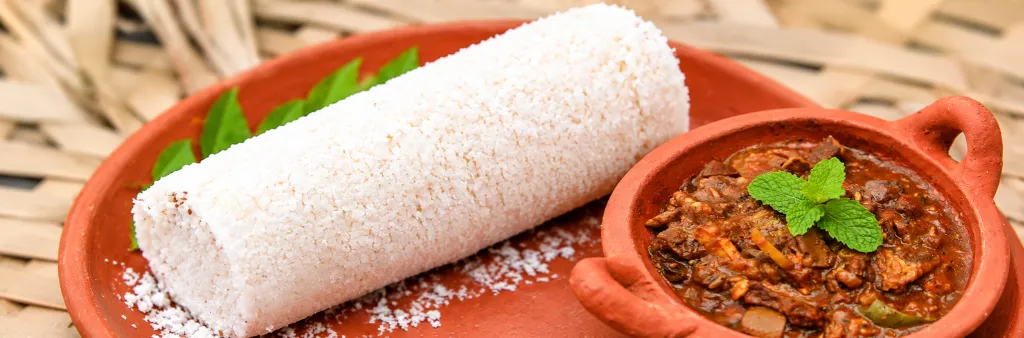
Some breakfasts win you over with their simplicity. One of them is Puttu from Kerala. What is Puttu? Why is it so popular as a breakfast item in Kerala?
Puttu is a traditional preparation made by steaming, usually in cylindrical shapes and served with black chickpea curry and banana or other accompaniments. Its mild flavour makes it very versatile, and the way it is cooked provides a welcome change to fried breakfasts.
Let’s look into its ingredients, varieties, and nutritional value.
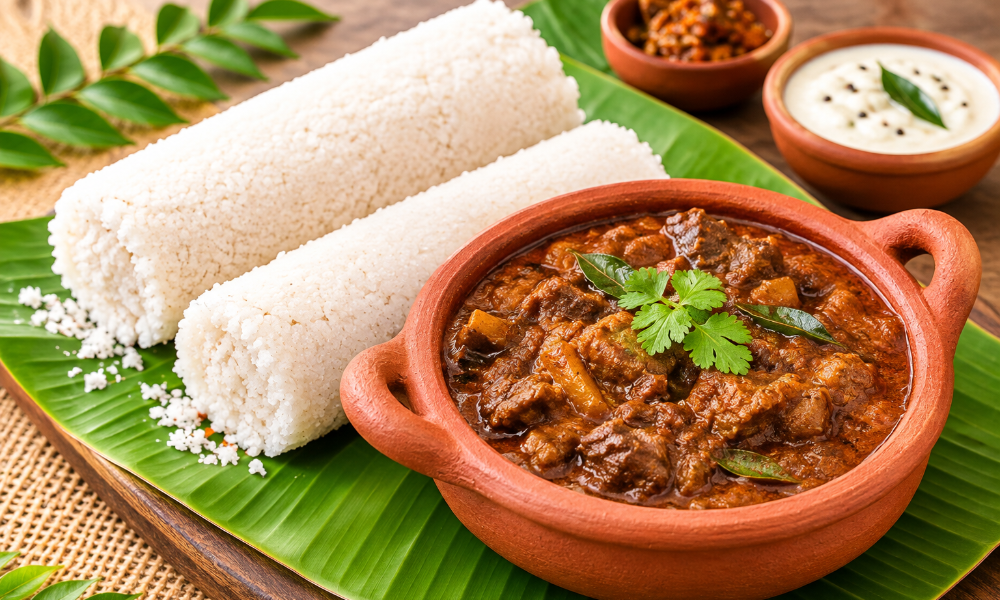
In South Indian cuisine, Puttu us a traditional Kerala breakfast dish which is made by steaming layers of moistened rice flour and freshly grated coconut.
The name is derived from a Malayalam word meaning ‘portioned’. The puttu kutti, a traditional steaming pan, gives it its characteristic cylindrical shape.
Puttu does not need any kind of fermented batter, unlike dosa or idli. The flour is just dampened and layered with coconut and steamed till cooked.
The result is soft and slightly crumbly, with a delicate coconut flavour.
Puttu is strongly associated with Kerala, but is also found in other regional food traditions, reflecting the diversity of South Indian cuisine.
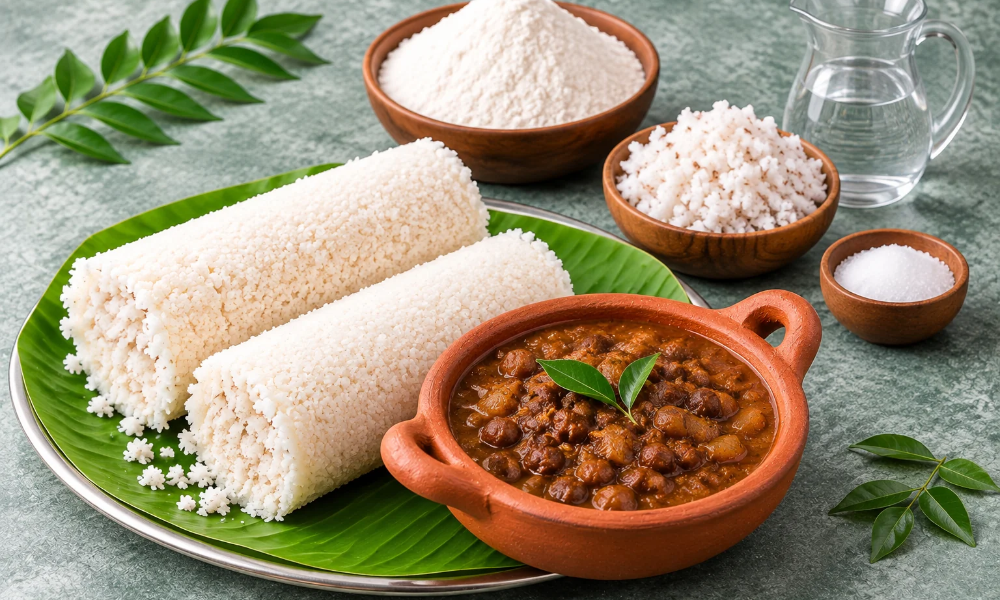
Traditional Kerala puttu is made with just 4 basic ingredients.
Some households also add cumin seeds for a faint fragrance.
Texture of the flour matters. Too much water will make the mixture gummy. Use too little, and the puttu may dry out when done.
The flour should ideally be like damp breadcrumbs and hold together for a moment when squeezed.
Puttu isn’t limited to rice flour. Different grains and ingredients create interesting variations.
This is the classic version, prepared using rice flour and coconut.
Its mild flavour pairs particularly well with spicy curries, making it a familiar breakfast across Kerala.
Ragi, or finger millet, gives puttu a darker colour and earthy flavour.
It also provides minerals such as calcium and can contribute fibre, depending on the flour used.
Wheat puttu has a slightly nutty taste and a heartier texture.
It offers an alternative to rice-based preparations, although it contains gluten.
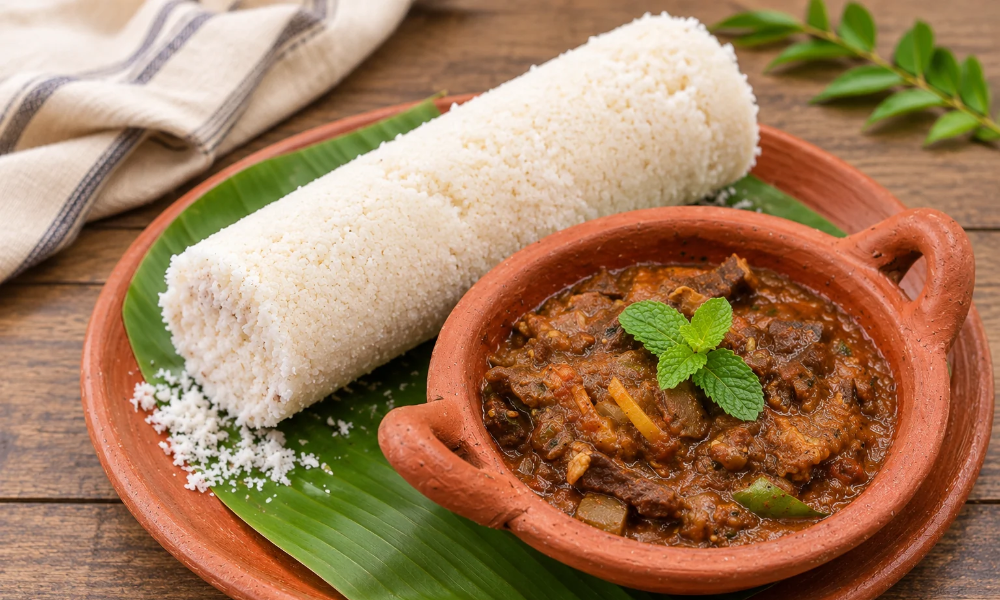
Made using semolina, rava puttu has a noticeably grainier texture.
Its mild flavour works with both savoury and sweet accompaniments.
Corn-based puttu brings a slightly sweeter flavour and a different texture.
It can be a gluten-free alternative when prepared using uncontaminated corn flour and suitable ingredients.
Some regional variations use starchy roots such as tapioca or taro, known as chembu.
These preparations highlight how local ingredients influence traditional Kerala cooking.
Banana puttu introduces a naturally sweet element by combining banana with the flour and coconut layers.
It makes an interesting breakfast variation for anyone who prefers sweeter flavours.
It’s not complicated at all to make puttu the traditional way:
Do not pack the flour too tightly into the cylinder. If you leave it loosely packed, steam can penetrate and cook all the layers evenly.
Puttu’s nutritional composition depends on the flour, coconut quantity, and serving size.
For reference, one homemade rice-puttu serving has been estimated to contain:
| Nutrient | Approximate Amount* |
|---|---|
| Calories | 305 kcal |
| Carbohydrates | 49.8 g |
| Protein | 5.1 g |
| Fat | 9.45 g |
| Fibre | 5.45 g |
| Magnesium | 61 mg |
*Values vary by recipe and portion.
Rice supplies most of the carbohydrates, while coconut contributes much of the fat. Because puttu is steamed rather than fried, it generally requires little or no cooking oil.
However, plain rice puttu provides relatively modest protein. Pairing it with legumes can make the meal more nutritionally balanced.
Puttu can fit comfortably into a balanced diet when you choose suitable ingredients and accompaniments.
Rice-based puttu contains carbohydrates, which supply energy for everyday activities.
This makes it a satisfying breakfast, particularly when combined with protein-rich foods.
Steaming cooks the flour without deep-frying.
Although coconut naturally contains fat, the preparation doesn’t usually require additional cooking oil.
Choosing ragi or other whole-grain variations can introduce additional fibre and micronutrients.
The nutritional difference depends on the ingredients and how finely the grains are processed.
Puttu becomes more substantial when served with chickpeas, vegetables or other nutritious accompaniments.
The combination provides a broader range of nutrients than plain puttu alone.
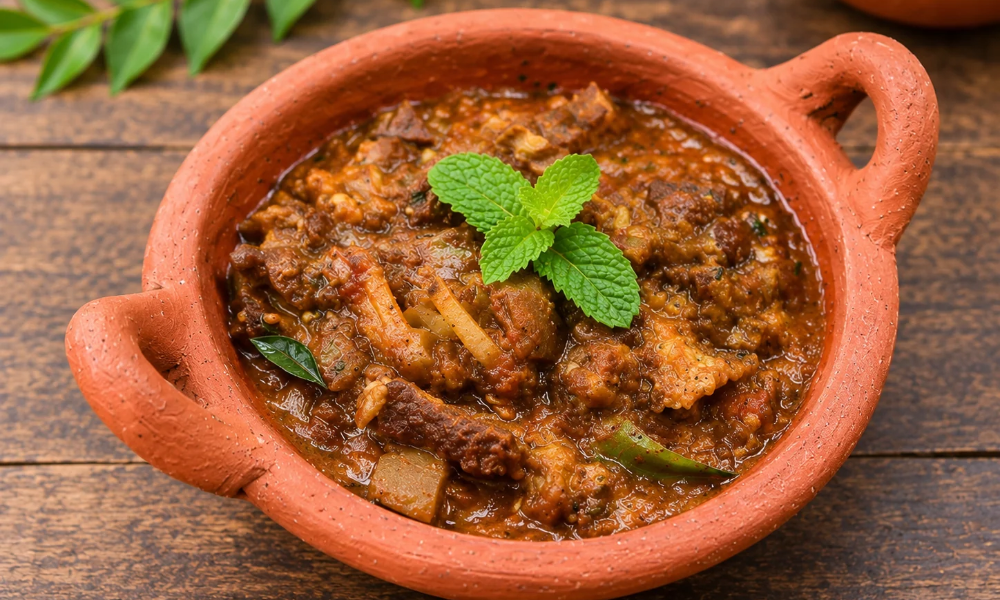
If you’ve explored traditional Kerala breakfasts, you’ve probably encountered the combination of puttu and Kadala Curry.
Kadala curry is a flavourful preparation made using black chickpeas, spices and, in many recipes, coconut.
The pairing works beautifully because puttu has a mild taste, while the curry brings richness and spice.
There’s also a nutritional advantage. Chickpeas contribute plant protein and fibre, complementing the carbohydrate-rich puttu.
Other traditional accompaniments include ripe banana, papadam and, in some households, egg curry.
Puttu can be part of a varied diet, but portion size and ingredient choices matter.
White-rice puttu is relatively carbohydrate-rich. People managing blood sugar may benefit from controlling portions and pairing it with protein-rich chickpeas and vegetables.
Coconut also adds calories, so its quantity is worth considering.
If you avoid gluten, choose rice, ragi or other naturally gluten-free versions and check packaged ingredients for cross-contamination.
Now that you know what is Puttu, it’s easy to see why this steamed preparation remains a beloved part of Kerala’s food traditions. Its simple ingredients, regional variations and versatile accompaniments make it a satisfying breakfast option.
At Sagar Ratna, we celebrate the diversity of South Indian food and the traditions behind it. Whether you’re exploring regional recipes or planning a visit to a South Indian restaurant, there’s always something interesting to discover in South Indian cooking.
Traditional Kerala puttu usually uses rice flour. However, wheat, ragi, semolina and other ingredients are also used in regional variations.
Puttu can fit into a weight-management diet when portions suit your energy needs. Pairing it with chickpea curry or vegetables can make the meal more satisfying.
Yes. You can use a suitable steamer or steaming mould, although the shape may differ. The important part is allowing steam to circulate through the moistened flour.
Puttu uses moistened flour and coconut, while idli typically uses fermented rice-and-lentil batter. Puttu has a crumbly texture, whereas idli is soft and spongy.
Kadala curry is one of the most popular savoury accompaniments. Banana and papadam are also traditional choices, depending on personal preference.

 Instagram
 Facebook
 Twitter