 India
India
 Netherlands
 Singapore


Traditional Bisi Bele Bhat: History, Ingredients, and How It’s Made



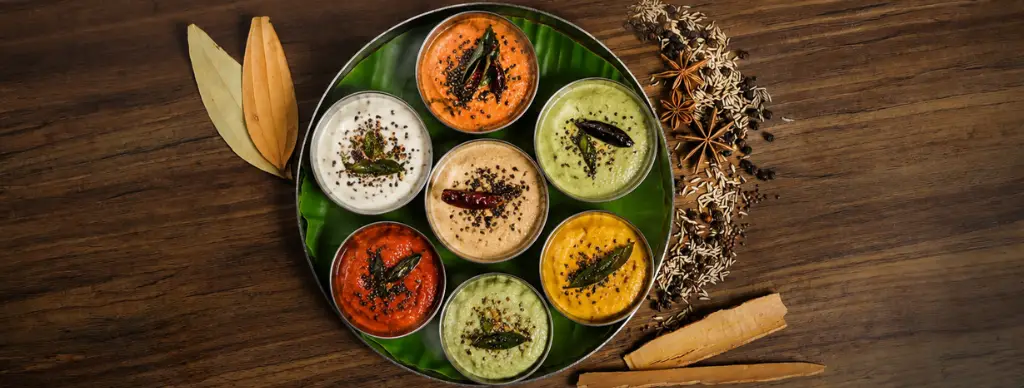
South Indian food is loved worldwide for its bright and distinctive flavours, aromatic spices, and an array of wonderful chutneys that enhance humble dishes to a feast. And if you’ve ever walked into a vegetarian restaurant in India and been overwhelmed by the colourful array of condiments on the side, you’ve experienced the magic of South Indian chutneys.
Let’s take a journey through the most popular must-try varieties and find out why the world loves them.
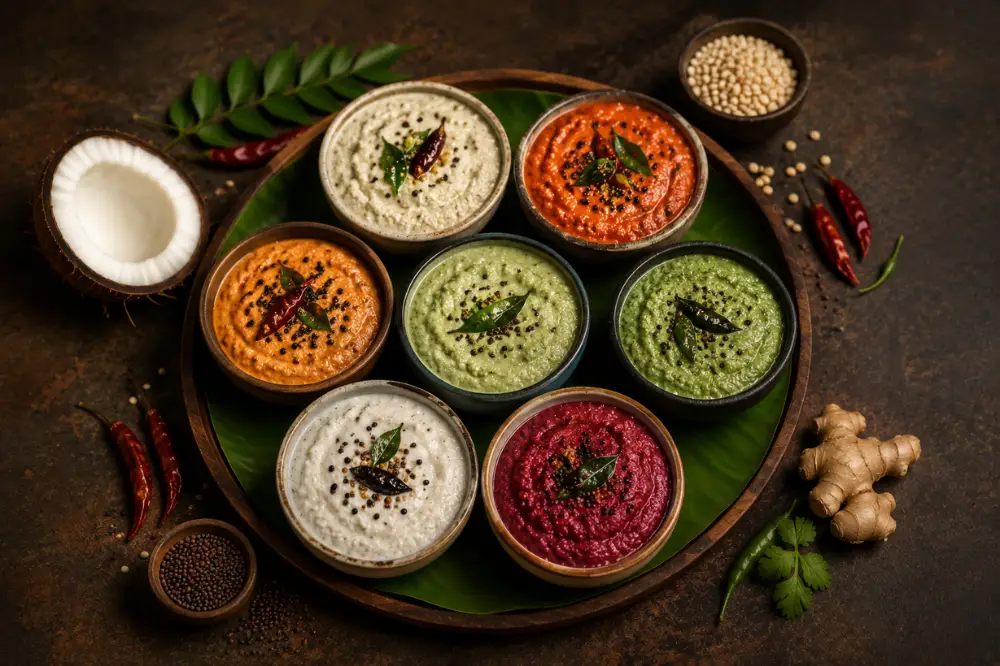
One of the most interesting aspects of the Indian chutneys (pachadi in Telugu and thogayal in Tamil) is their unique preparation method. The aromatics are always first dry roasted and then ground to a fine paste along with water, and the mixture is tempered (tadka) in hot oil with spices. The result is an exciting mix of nutty, creamy, spicy and tangy flavours that perfectly complement any meal.
Fun fact: Chutneys trace their history back to the very dawn of civilisation in India. Traces of them being mentioned in Ayurvedic texts dating back to at least 3000 years and in Sanskrit literature to around 500 BC make them one of the oldest condiments ever.
Indian chutneys are not just about taste; they are power-packed superfoods with a variety of health benefits. The origins of these chutneys are rooted in Indian traditional healing practices and have always been used for ‘treatment of inflammations’, ‘antioxidants’, ‘improving digestion’, and ‘creating both heat and cooling effects’. The chutneys play a pivotal role in South Indian cuisine, and without them, the meals are incomplete. When you dine at Sagar Ratna restaurant, we serve you the best South Indian food, accompanied by freshly made chutneys.
Why don’t you take a peek into the delicious world of South Indian chutneys? We await your surprise at Sagar Ratna. Visit your nearest Sagar Ratna outlet today and experience authentic flavours that have been perfected over generations.
The basic chutney preparation method is sautéing some ingredients, using some raw ingredients as they are, grinding to a paste, and finally tempering with hot mustard seeds and curry leaves.
Without further ado, if you are a fan of South Indian cuisine, here is a must-try collection of chutneys from South India:
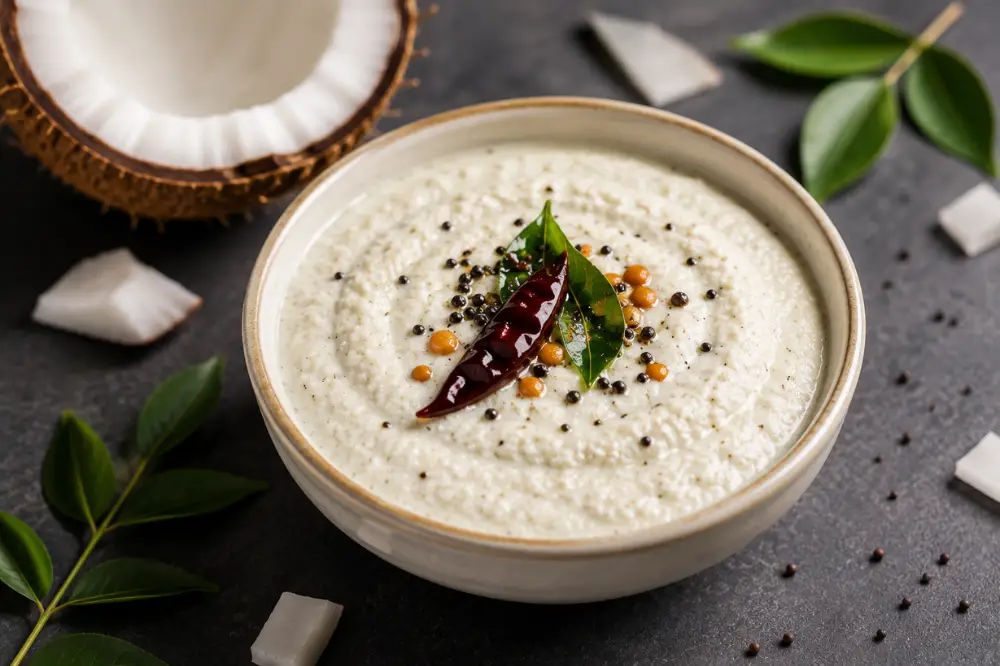
Coconut chutney is the go-to starter for anyone diving into South Indian dishes. When you visit Sagar Ratna, this is almost always the first chutney served.
Key Ingredients
Flavour
Creamy, mildly spicy, with fresh coconut dominating. The texture is smooth and moist.
| Nutrient Type | Thali Components | How It Supports You |
|---|---|---|
| Carbohydrates | Steamed rice and fluffy pooris | These provide your body with quick yet sustained energy, thus making it a filling and useful dish to enable you to work through the day. |
| Proteins | Sambar and lentil kootu | Lentils provide you with plant-based protein essential for muscle repair, keeping you satisfied for a longer duration, thus balancing the dish. |
| Probiotics | Fresh curd and buttermilk | These act as a palate cooler while assisting the digestive process, with the creamy tang bringing comfort at the end of spiced, tangy flavours. |
| Micronutrients | Vegetable poriyals | These are a source of minerals, vitamins and fibre, giving you everyday nourishment with a dash of colour. |
Best Pairings
Serve this chutney with almost every South Indian classic dish like idli, dosa, sambar, or uttapam for the ultimate combo.
The next one is tomato chutney, a succulent, tangy condiment that balances tomatoes with dried red chilli to give it a hot, tangy flavour. This South Indian chutney is super popular in southern Indian cuisine as well as other regions of India.
Key Ingredients
Flavour Profile
Hot and tangy with sweet undertones. The tomato-tamarind combination creates deep sourness.
Best Pairings
Serve it up with idli, dosa, uttapam, or any rice dish.
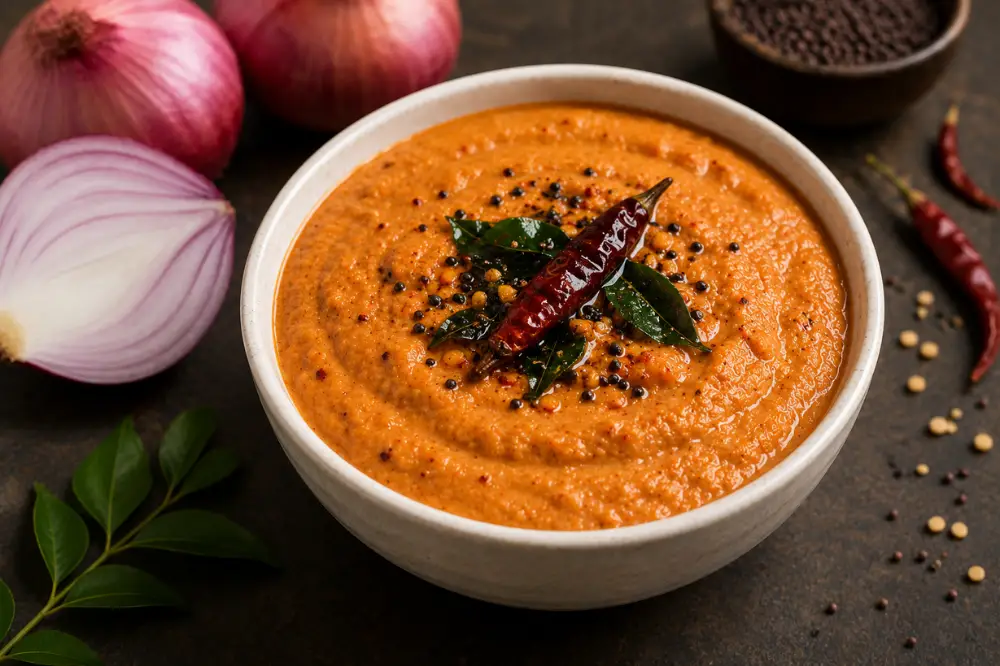
Onion chutney uses sweet red onions (not the spicy raw onion variety), hence mildly sweet and sharp. It also has a very good shelf life; it even tastes better the next day. A must-have at all authentic vegetarian restaurant establishments.
Key Ingredients
Taste Profile
Mildly sweet and sharp with strong onion overtones. A stronger taste profile than coconut chutney.
Pairs best with
Idli, dosa, sandwiches (as a spread)
Commonly called ‘pudina pachadi’ (in Telugu) or ‘pudina thogayal’ (in Tamil), pudina chutney is a mouthwatering, fresh and herbaceous-tasting chutney.
Key Ingredients
Taste
It’s refreshingly tangy and herby and has slightly cooling properties due to the fresh mint leaves.
Served with
Idli, dosa, grilled starters, and bread spreads.
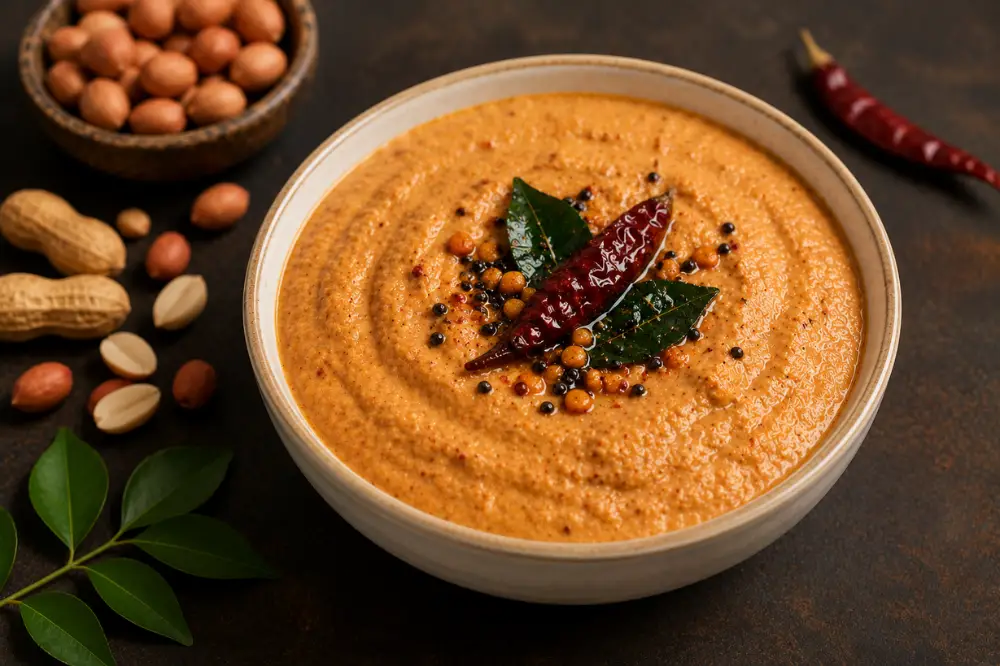
The peanut chutney provides nutty indulgence and a strong yet mild flavour. Dry and wet versions of this chutney are found throughout different regions of South India.
Key Ingredients
Flavour
Earthy, nutty and strong with a dominant peanut flavour.
Pairings
Idli, dosa, rice or used as a dry condiment, sprinkled over a dish.
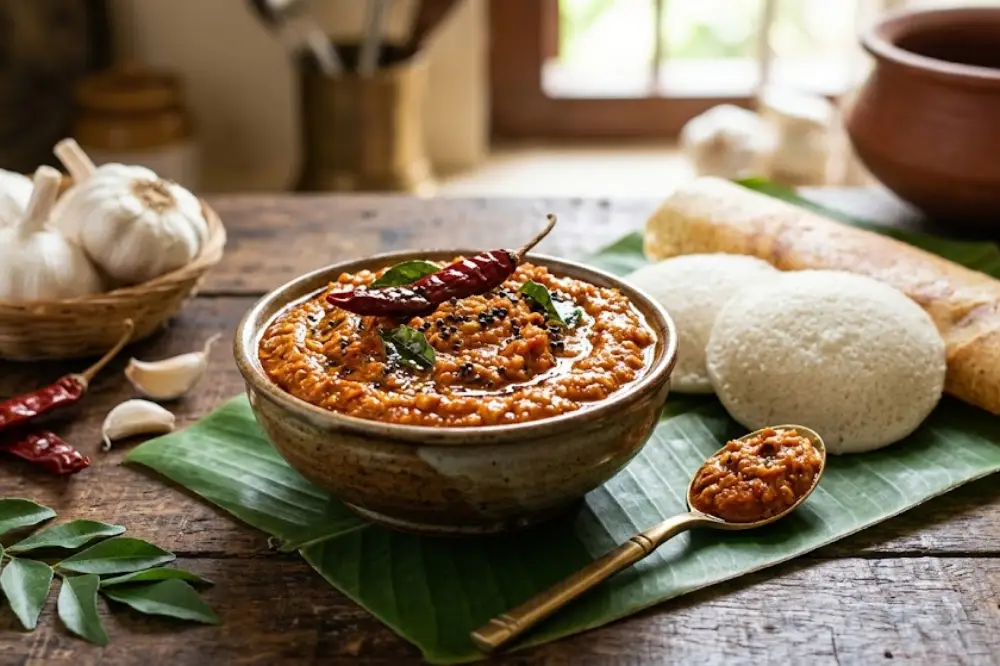
Poondu chutney is one of the most popular chutneys of Tamil Nadu with a pungent and spicy flavour due to its abundant garlic content. This is the best chutney for those who can take the heat.
Key ingredients:
Flavour
Has a pungent and strong garlic flavour.
Best eaten with
Idli, dosa, uttapam, vedhaya dosa and sponge dosa.
Kara chutney (also called “fiery red chutney”) is evidently one of the spiciest chutneys from South India, and is perfect for heat enthusiasts. It’s often served at popular vegetarian restaurant locations that cater to spice lovers.
Key Ingredients
Flavour Profile
Fiery, intensely spicy, hot with garlic and chilli dominance. Has a vivid red colour.
Best Pairings
Dosa, idli (especially for those who love extreme spice)
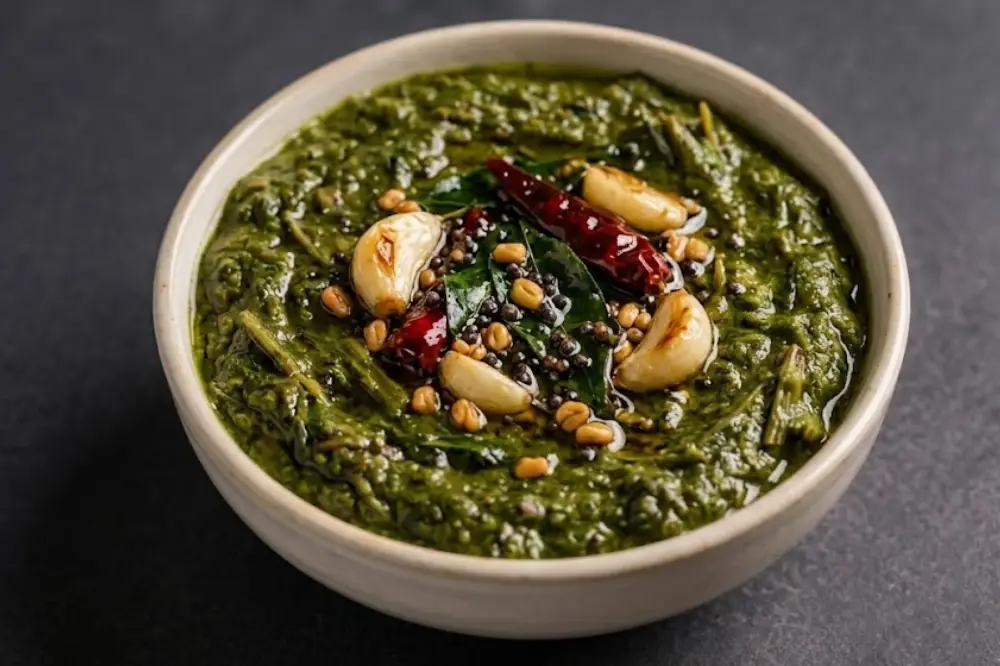
Gongura pachadi is the most niche South Indian chutney, originating from Andhra Pradesh. It is made with sorrel leaves (roselle).
Key Facts About Gongura Leaves
Key Ingredients
Flavour Profile
Distinctly sour (from sorrel leaves), spicy, with a unique vegetal flavour. Uniquely tangy-sour
Best Pairings
Andhra-style pesarattu (green gram dosa), idli, rice.
It is called allam pachadi in Telugu. This Andhra Pradesh ginger chutney has warming properties and is eaten in small portions like a pickle. It’s a distinctive part of South Indian cuisine.
Key Ingredients
Flavour Profile
Concentrated spiciness, sourness, and sweetness, with a distinct fresh ginger flavour
Best Pairings
Andhra-style pesarattu (green gram dosa)
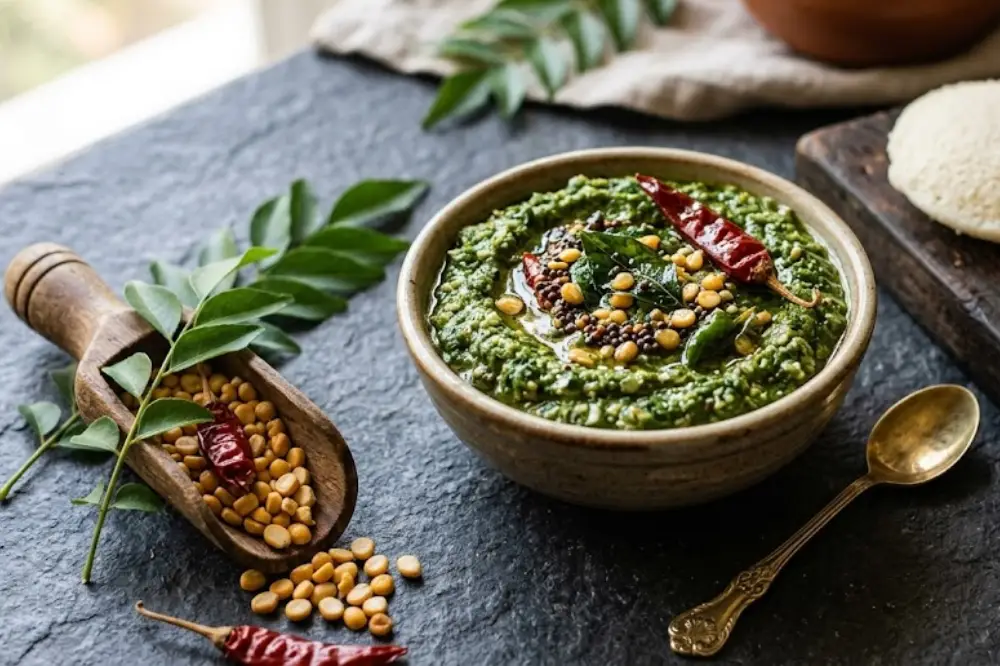
This chutney is prepared using the aroma-rich curry leaves as its primary ingredient. Not many know of this distinct use of curry leaves. Hence, this dish highlights the variety that the chutneys from South India provide.
Ingredients
Taste
Earthy and aromatic due to curry leaves and tanginess due to tamarind.
Best served with
Rice, dosa and idli.
Indian chutneys are not just accompaniments; they carry cultural significance, bring people closer during mealtimes and make street food all the more delectable, as well as make simple dishes explode with flavour.
Savour your favourite chutney over a meal at an authentic South Indian vegetarian restaurant like Sagar Ratna restaurant, or when trying out South Indian recipes at home. Begin with a simple/mild chutney to get the flavour of the basic ingredient, then move towards adventurous ones depending on how tolerant you are of spice.
Visit us and try our signature Indian chutneys. You will understand why these chutneys are so integral to South Indian breakfast culture.
Most chutneys from South India use a combination of fresh ingredients like coconut, tomatoes, onions, garlic, peanuts, or curry leaves. They are often tempered with mustard seeds, curry leaves, and lentils for extra aroma and flavour. Some chutneys also include tamarind or jaggery to balance tanginess and sweetness. Each variety has its own regional twist, giving a unique taste experience.
Some chutneys are highly regional. Gongura pachadi is an Andhra speciality, made from tangy sorrel leaves, while Kara and Poondu (garlic) chutneys are popular in Tamil Nadu. These regional variations reflect local ingredients and spice preferences, offering a unique taste of South Indian food.
Coconut chutney is the most popular and beginner-friendly option, as it is creamy, mildly spiced, and pairs well with idlis or dosa. Tomato chutney is another approachable choice with its tangy and slightly sweet flavour. Starting with these chutneys helps new diners understand the flavour profiles of authentic South Indian dishes without being overwhelmed by spice.
If a chutney is too spicy, pairing it with soft foods like idlis, dosa, or plain rice helps balance the heat. Coconut or mint chutneys are naturally cooling, so serving them alongside hotter varieties can reduce intensity. Gradually exploring chutneys allows you to enjoy authentic South Indian cuisine without overwhelming your palate.
Yes, several chutneys can be refrigerated for a few days. For example, garlic or coconut chutneys typically last up to a week in the fridge. Proper storage in airtight containers preserves their flavour and aroma, allowing you to enjoy authentic South Indian tastes even later.

 Instagram
  Facebook
  Twitter