 India
India
 Netherlands
 Singapore


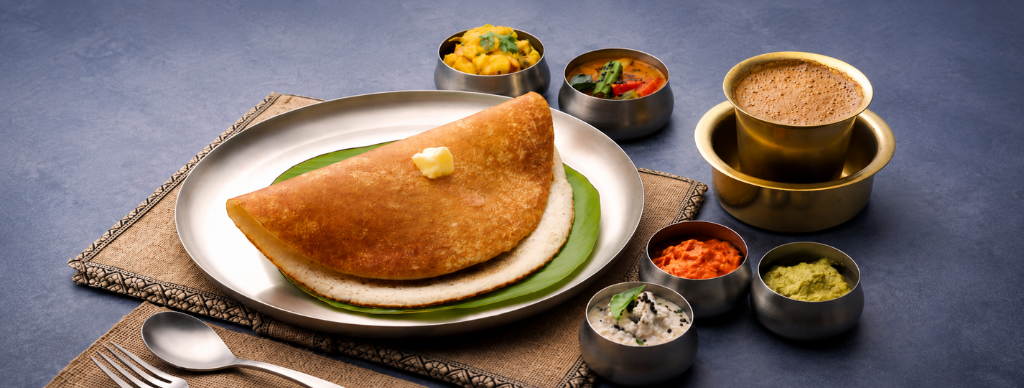
Benne Dosa and Filter Coffee: A Classic South Indian Combination




Kokum might not be as popular as nimbu pani or aam panna, but it has been an essential part of summer food culture along the western coast of India for generations. The deep ruby colour, tart flavour and gentle sweetness make kokum a particularly refreshing drink on hot days.
So what’s so special about this coastal fruit? What are its benefits everyone talks about, and how can you enjoy it at home?
Let’s find out.
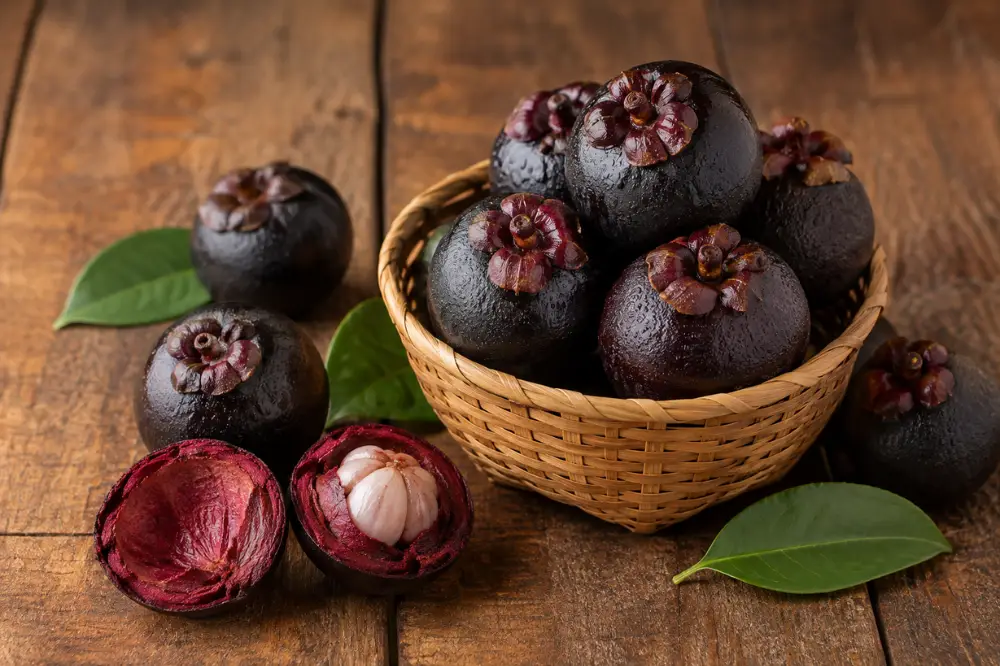
Kokum, or Garcinia indica, is a small fruit that is native to the Western Ghats. It is closely associated with Maharashtra, Goa, Karnataka, and Kerala, where its rind is used in drinks, curries, and several regional preparations.
Kokum is very sour, fruity, and sharp to taste. This gives it an important place in coastal cooking. It is used as a souring agent like tamarind or lemon, but it has a unique flavour of its own. That’s why you’ll see it used in both drinks and in savoury South Indian foods.
Kokum’s deep colour comes from anthocyanins, and garcinol is known for its antioxidant properties.
The Kokum fruit’s rind contains compounds including garcinol, hydroxycitric acid (HCA) and anthocyanins. These compounds have been studied by researchers for their antioxidant activities and other biological activities. More clinical evidence is yet to be established about its properties for weight management.
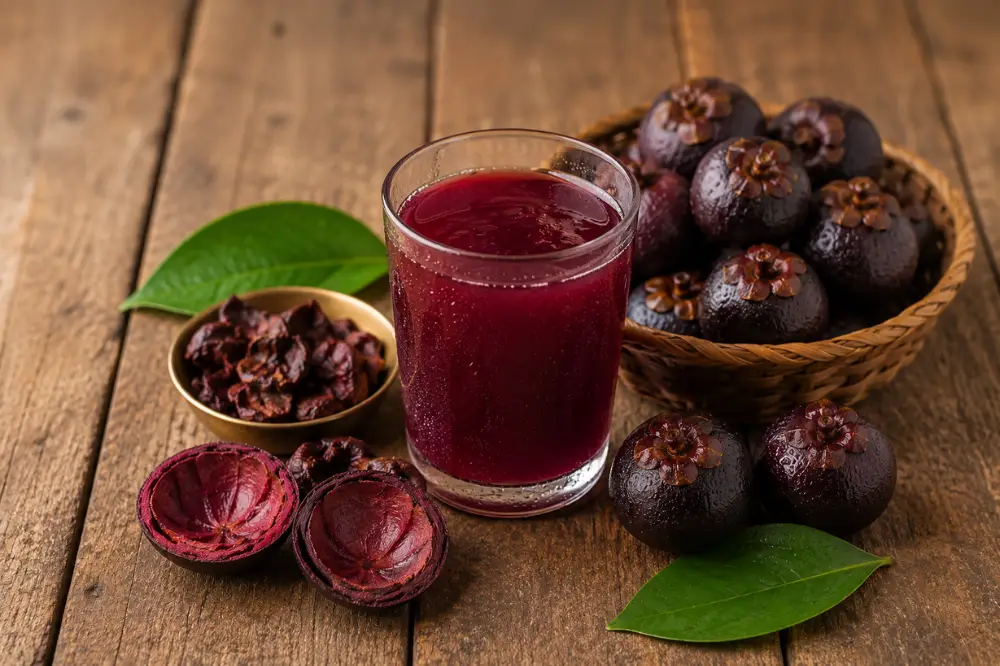
The best way to understand kokum drink benefits is to separate its practical everyday qualities from health claims that still need stronger evidence.
The Kokum drink, being mainly water, helps in adding to your daily fluid intake. More importantly, its naturally tart taste can make drinking something refreshing much more interesting than another glass of plain water. This is one of the reasons for kokum’s continued popularity among the traditional summer drinks in western India.
Kokum has been traditionally used for digestive complaints and to aid digestion for centuries. That is why, in coastal food traditions, kokum-based dishes are often eaten with meals.
This traditional association is one of the benefits of drinking kokum juice that is often discussed. However, kokum should not be used as a treatment in cases of frequent reflux, stomach pain, or constant acidity.
Kokum contains anthocyanins, garcinol, and other phenolic compounds with antioxidant activity. These compounds are one reason the fruit continues to attract scientific interest as a functional food ingredient.
The important distinction is that the presence of antioxidants does not make kokum a cure or preventive treatment for disease. It simply adds another nutritional dimension to a fruit already valued for its flavour.
The advantage of making kokum sharbat at home is that you can decide how sweet it should be. A little sugar or jaggery can lessen the tartness but cannot mask the natural flavour of the fruit.
If you want something a little more interesting than water but don’t want a drink that is too sweet, this is a good choice among the best summer drinks.
People often wonder when to drink kokum juice, but there is no fixed time that everyone needs to follow.
A chilled glass can be particularly enjoyable on a hot afternoon. Some people have it after outdoor activity, while others prefer it with or after a meal because of kokum’s traditional connection with digestion.
Your own tolerance matters too. If sour foods usually trigger reflux or discomfort, start with a smaller serving. Also check the amount of added sugar when using ready-made syrups or concentrates.
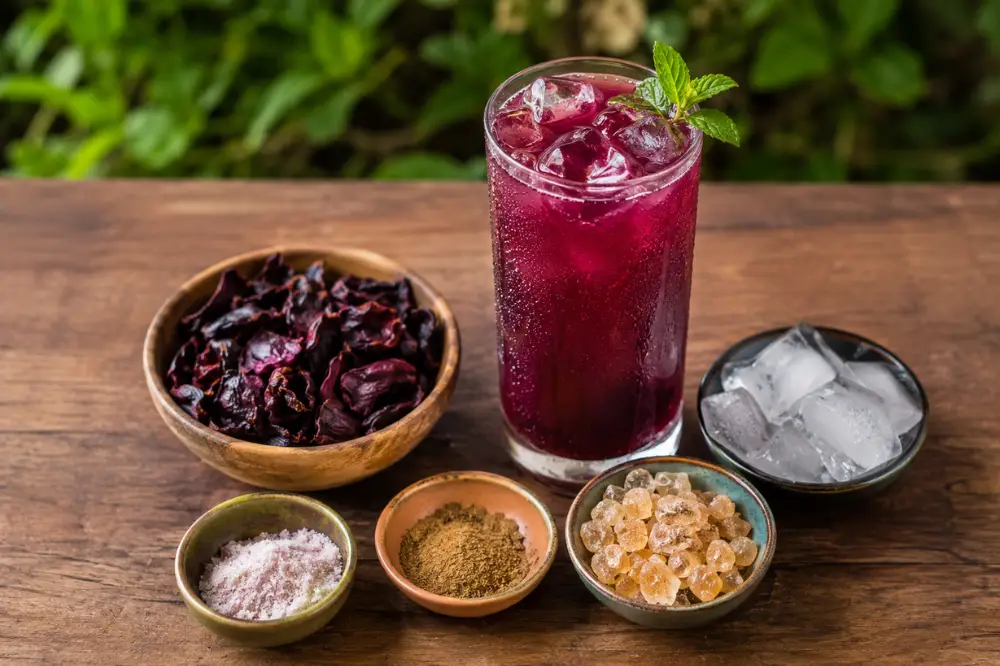
A basic kokum drink recipe needs only a few ingredients and very little preparation.
Alternatively, a more concentrated solution could also be made and diluted as needed. Be careful with the added sugar content in concentrated solutions.
A simple Kokum drink recipe is also very flexible. One could use less sweetener for a sharp taste, add cumin for a spicier taste, or even skip both to make a more natural drink.
Kokum is not used only for sharbat. Dried rind is an important souring ingredient in coastal curries, particularly across Maharashtra, Goa and coastal Karnataka.
It also appears in sol kadhi, a well-known coastal preparation usually made with kokum, coconut milk and savoury seasonings. Unlike sweet kokum sharbat, sol kadhi is creamy, tangy and commonly enjoyed alongside food.
Coastal ingredients such as kokum reveal another side of South Indian food, where sourness, coconut, spices and local produce play equally important roles.
In North India, a pure veg South Indian restaurant in Gurgaon like Sagar Ratna can therefore introduce diners to much more than the familiar dosa-idli combination.
Traditional drinks have a tendency to survive because they fit with the climate and the food nearby. And that’s what Kokum does. It is tart, colourful, and easy to balance out with water, salt, spices, or a touch of sweetness.
South Indian food can be quite varied, and kokum beverages can give a taste of this diversity in regional flavours at a South Indian restaurant in Gurgaon. At Sagar Ratna, this appreciation for regional food traditions sits alongside the familiar favourites diners already know, naturally.
A Kokum drink doesn’t need overblown health claims to be worth enjoying. Its refreshing flavour, cultural roots and versatility already distinguish it amongst India’s traditional summer drinks.

 Instagram
  Facebook
  Twitter