 India
India
 Netherlands
 Singapore



Different Types of South Indian Rice Dishes You Must Try



In This Blog
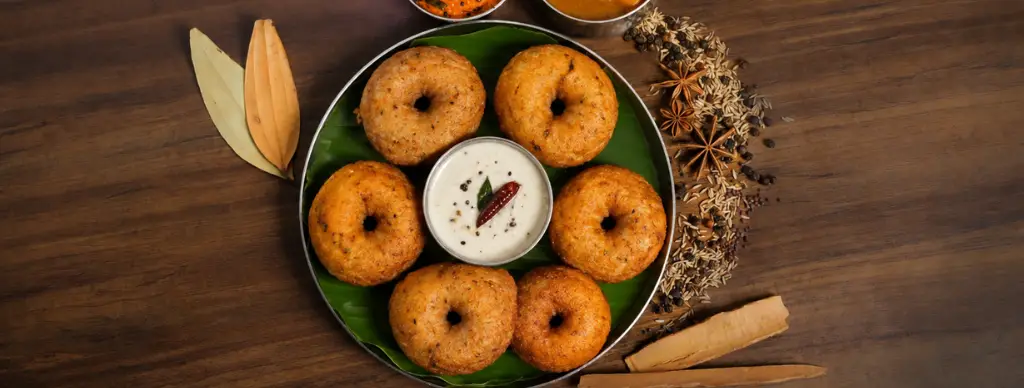
A plate of hot medu vada has a way of making a simple meal feel special. The crisp, golden exterior, soft, fluffy centre, and comforting sambar-and-chutney combo make it a complete, filling meal. No matter how you eat it- as a breakfast staple, an evening snack, or part of a traditional South Indian meal- medu vada is an important part of Indian food culture.
If you have ever wondered what medu vada is and why everyone loves it, it’s because of its unique preparation, texture, and flavours. It is made primarily using urad dal and some spices. This savoury snack offers the simplicity and richness of South Indian cuisine.
While medu vada originated in South India, its popular across different countries. Today, you can find it on the menu of almost every authentic South Indian restaurant across India and even in many parts of the world.
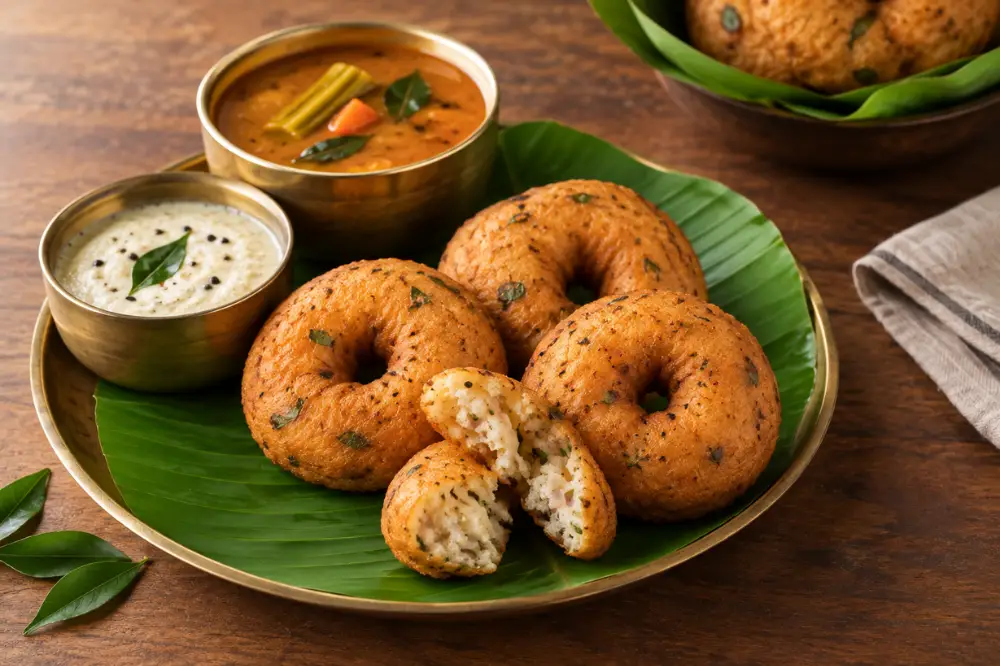
It is prepared using soaked and ground urad dal (black gram). It is then turned into a batter which is seasoned with spices, herbs, and aromatics. The next step in the process is to shape these into small portions and deep-fry until golden and crispy.
The word “Medu” means soft, while “Vada” refers to a fried savoury snack. This describes the name perfectly, and its texture as medu vada is crisp on the outside but light and soft on the inside.
As we move to different regions, the dish has its own names for this popular dish. These are some of the names:
Medu vada has been a staple dish of South Indian culinary traditions for centuries, with strong roots in Karnataka, Tamil Nadu, Kerala, and Andhra Pradesh. These regions are known for their lentil-based dishes, which play an important role in everyday meals.
Over time, Udupi-style restaurants played a major role in introducing medu vada to people across India. Medu vada sits alongside idli and dosa as one of the most recognised dishes representing South Indian cuisine.
India has a variety of vadas, but medu vada stands apart because of its preparation and texture.
| Feature | Medu Vada | Other Vadas |
|---|---|---|
| Main Ingredient | Urad dal | Different lentils, vegetables, or grains |
| Shape | Round with a hole in the centre | Usually flat or round |
| Texture | Crispy outside and soft inside | Varies depending on ingredients |
| Popular Pairing | Sambar and chutney | Served with different accompaniments |
The signature hole in the centre is not just for appearance; instead, it helps the vada cook evenly from all sides to get the perfect balance between crispiness and softness.
The beauty of medu vada lies in its simple ingredients. The dish uses simple ingredients which contribute to its final taste and texture.
The common medu vada ingredients include:
Some regional variations also include chopped onions, coriander leaves, or small pieces of coconut for additional flavour.
The quality of the medu vada batter decides whether your vadas turn out crispy and fluffy or oily.
Now let’s understand the steps we need to take to prepare the batter, which starts with washing and soaking the urad dal is first washed and soaked for several hours in water. Then it is ground into a smooth paste, but the batter should be thick enough to hold its shape and light enough to create a soft texture after frying.
It is recommended to test the batter by dropping a small portion into the water first. The indication of a good batter is when it starts floating in the oil.
If you want to know how to make medu vada, the process is simple and can be easily made.
Wash urad dal and soak it for around four to six hours, and then grind it into a smooth batter using very little water.
Mix chopped green chillies, ginger, curry leaves, black pepper, cumin seeds, and salt into the batter.
Whisk the batter properly so it becomes light and fluffy.
Wet your hands and take a portion of batter to give it a circular shape with a hole in the centre using your thumb.
Heat oil on medium flame and carefully place the shaped vada into it. Fry until it turns golden brown and crispy.
A good medu vada recipe focuses on maintaining the right oil temperature. If the oil is too hot, it’ll leave the medu vadas undercooked while the outside will be brown. On the other hand, if the heat is low, the vadas will be oily.
While traditional medu vada is made using urad dal, rava medu vada is a popular variation prepared using semolina or rava.
Unlike the traditional version that requires soaking and grinding dal, rava medu vada can be prepared more quickly. It has the same flavour profile as medu vada, but it has a crispier texture.
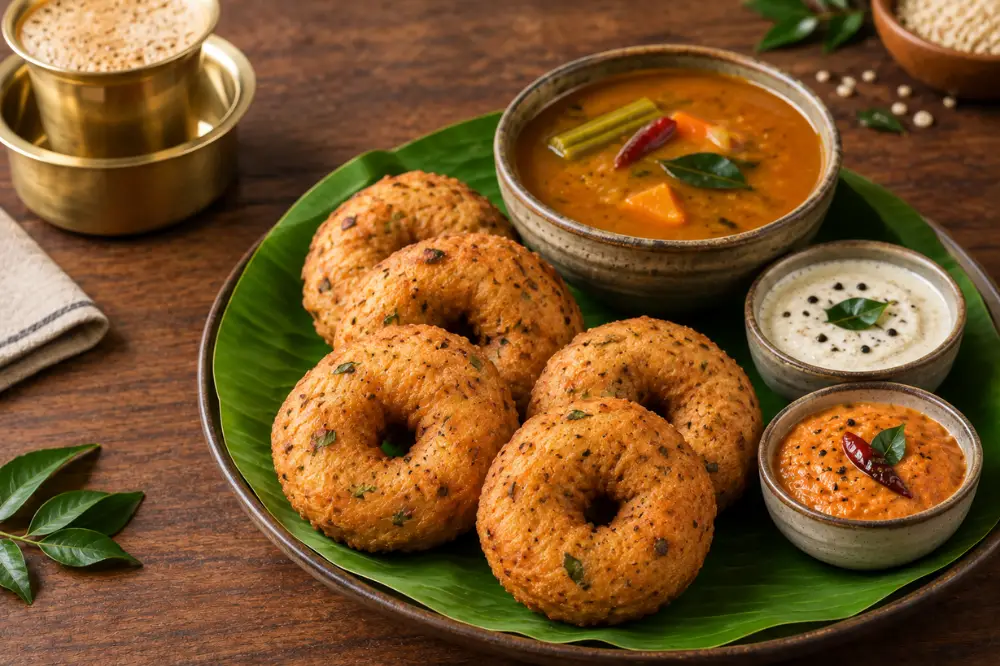
A plate of medu vada is incomplete without its classic accompaniments.
Medu vada is often paired with sambar as it absorbs the flavours of hot sambar, making every bite more enjoyable. The combination of crispy vada and spicy, tangy sambar creates a delightful flavour for your palate.
A fresh South Indian chutney adds another layer of flavour to the dish.
Popular chutneys served with medu vada include:
The cooling texture of chutney complements the crispy fried vada beautifully.
Sambar may look like a simple accompaniment, but different regions prepare it with their own flavours and ingredients.
Some popular types of sambar varieties include:
| Type of Sambar | Taste Profile | Common Pairing |
|---|---|---|
| Tiffin Sambar | Light, aromatic, and slightly tangy | Idli and medu vada |
| Udupi Sambar | Mild with subtle sweetness | South Indian breakfast dishes |
| Vegetable Sambar | Rich and filling | Rice and snacks |
Medu vada became a popular dish due to its perfect balance of taste, texture, and tradition. The way in which it turns everyday ingredients into something memorable represents the heart of South Indian cuisine.
When visiting a South Indian restaurant, medu vada is often one of the best dishes to order.
A well-made restaurant-style medu vada should have:
Medu vada is more than just a fried snack. It is a dish that carries the flavours, traditions, and warmth of South Indian cooking with its crispy texture and comforting pairing with sambar and chutney.
Whether it’s your first time trying it or you’ve been enjoying it as a regular breakfast favourite, medu vada remains one of those timeless classic dishes that represent the richness of Indian food culture.
Medu vada is primarily made from soaked and ground urad dal (black gram). It is usually seasoned with green chillies, ginger, curry leaves, black pepper, cumin, asafoetida, and salt before being deep-fried.
Medu vada is typically made with urad dal and has a distinctive doughnut-like shape with a hole in the centre. Other vadas can be made from different lentils, grains, vegetables, or other ingredients and may have different textures and shapes.
Urad dal is generally soaked for around four to six hours before being ground into batter. The soaking time can vary depending on the quality of the dal and the preparation method.
Medu vada is traditionally served with hot sambar and South Indian chutneys, especially coconut chutney. Tomato, peanut, and mint-coriander chutneys can also be served with it.
Medu vada is known by different names across South India, including medhu vadai in Tamil Nadu, uddina vada in Karnataka, and garelu in Andhra Pradesh and Telangana.

 Instagram
  Facebook
  Twitter