 India
India
 Netherlands
 Singapore


Different Types of Idli Found Across South India



In This Blog
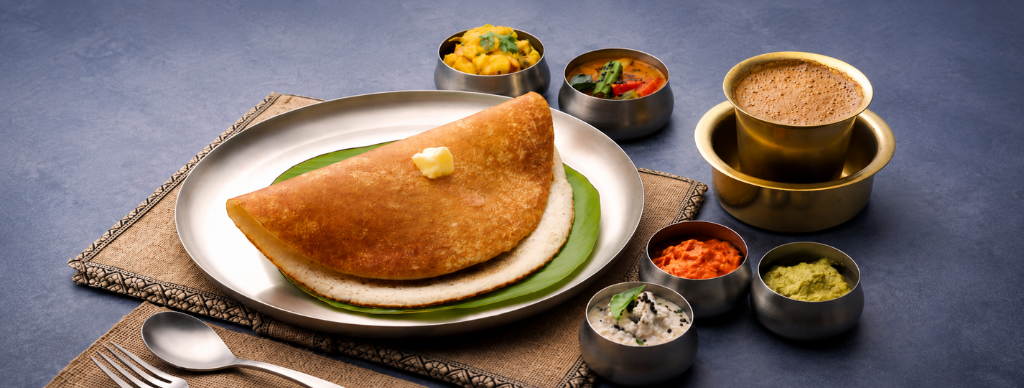
Benne dosa and filter coffee are more than just breakfast items. Together they make a complete South Indian food experience. One is rich, buttery and savoury; the other is strong, aromatic and creamy, so they are a natural complementary pair.
If you want to know about classic South Indian breakfast culture, this pair is one of the best choices to begin with.
A good breakfast has to be balanced. A rich food is better eaten with a soothing beverage.
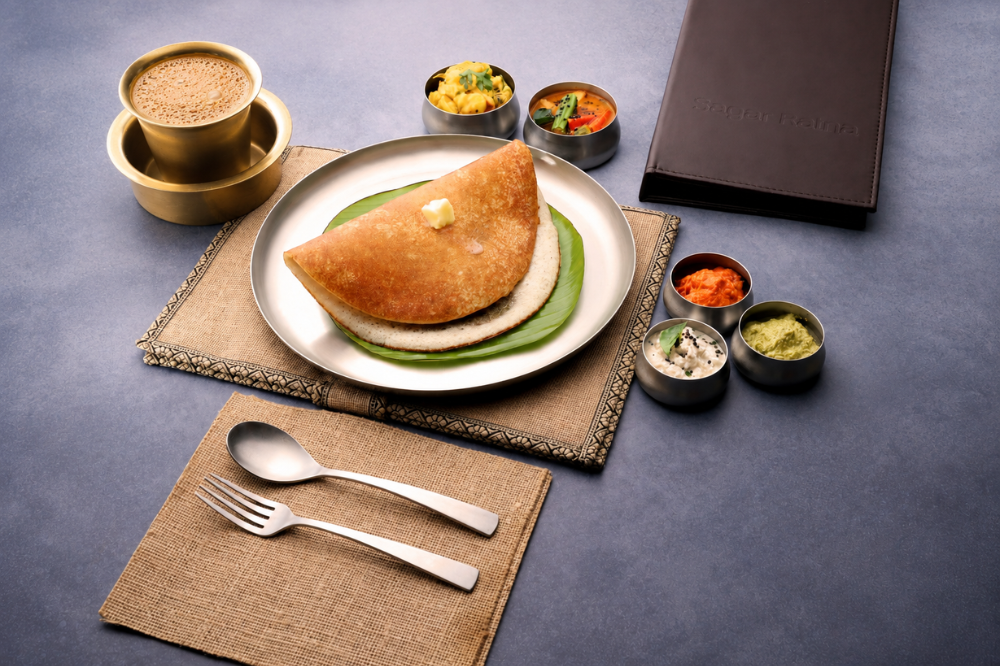
That’s exactly what the benne dosa and filter coffee pairing does. The dosa is buttery and savoury, and South Indian filter coffee brings roasted bitterness, gentle sweetness, and warmth.
Benne dosa brings comfort and indulgence, while filter coffee adds warmth, refreshment, and a familiar ritual that many households treat as non-negotiable.
The combination also works through contrast:
This is one reason the pairing remains popular at every authentic South Indian restaurant.
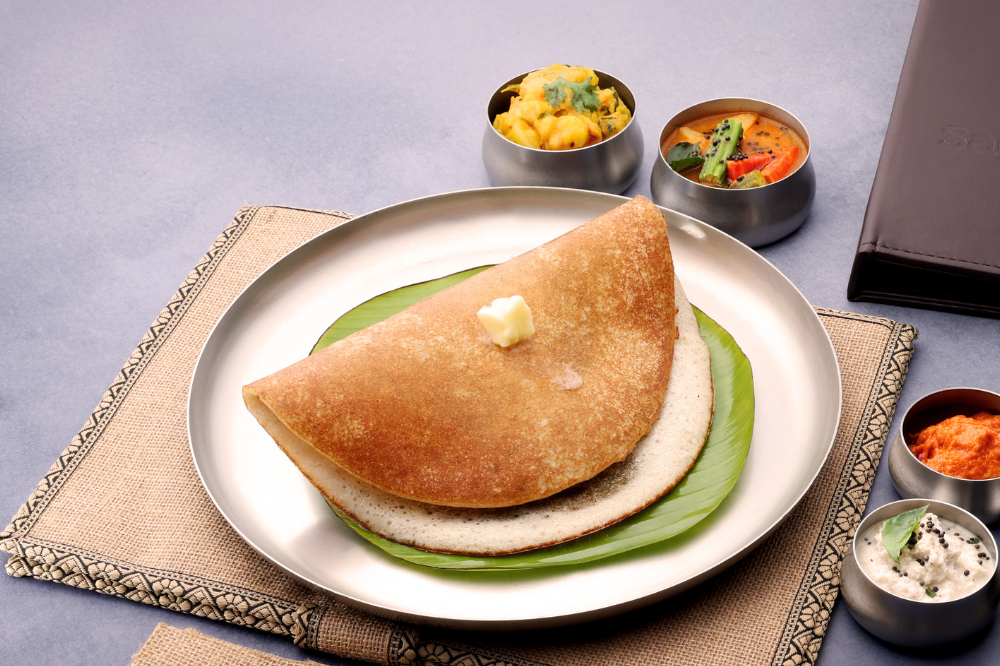
What is a benne dosa, and why does it have a separate identity? A first-time diner often asks. The difference lies in the butter, but it doesn’t stop there.
The classic benne dosa, like the popular Davangere benne dosa, is typically thicker than a paper dosa. The outside is golden and crisp, the inside soft enough to absorb chutney and potato palya (stir-fried boiled potato filling).
The batter may also feel softer and more tender than a standard dosa. A well-made version should offer:
This simplicity is part of its appeal. A proper Davangere benne dosa does not need heavy fillings, sauces, or decorative toppings to make an impression.
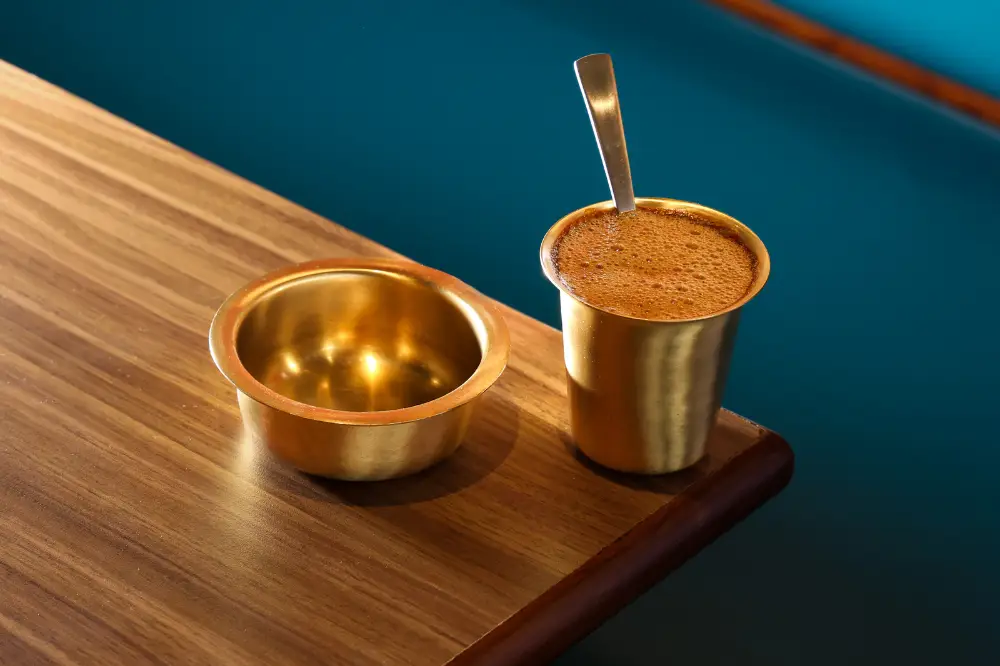
People who are used to instant coffee often want to know, “What is filter coffee and why does it taste so different?” How it is brewed is the answer.
The traditional South Indian filter coffee is prepared by slowly dripping hot water through finely ground coffee in a metal filter. The strong liquid collected below is called decoction.
That decoction is mixed with hot milk and sugar. Understanding how filter coffee is made also means recognising the importance of fresh decoction. Without it, the cup loses the depth people expect.
We highly recommend you try the Madras filter coffee, which is a strong, milk-based coffee associated with Tamil food culture. It is famous for its strong brew, velvety body, and foamy head.
Many traditional blends use arabica, robusta, or a combination of the two. Some also contain chicory, which adds a fuller body and a slightly earthy finish to filter coffee.
Great food pairings work because they make one another better. Great food pairings work because they make one another better. That’s what Filter Coffee and Benne Dosa do. That’s what Filter Coffee and Benne Dosa do. Almost every South Indian restaurant in Civil Lines, Delhi, has this as a very popular combo order.
And what’s not to like? The benne dosa is buttery on the palate, and the delicious bitterness of the coffee brings you back. The soft centre of the dosa is enriched with chutney, and the next sip of coffee puts the meal back into equilibrium.
It also makes sense according to the logic of South Indian cooking. Meals naturally combine textures, temperatures and flavour strengths that are often opposite each other.
You get richness from the butter, freshness from chutney, comfort from potato palya, and lift from the coffee. Nothing feels out of place.
It can be rich, but portion size and preparation make the difference. Benne dosa uses butter, while coffee may contain milk and sugar.
Still, the pairing can fit into an occasional breakfast or brunch without feeling excessive. The key is to enjoy a sensible portion and avoid adding too many heavy sides.
The coffee can also be adjusted. Ask for less sugar, a stronger decoction, or a smaller serving if that suits you better.
This flexibility is one reason South Indian filter coffee remains popular across age groups. People can change the milk, sweetness, and strength without losing the basic character of the drink.
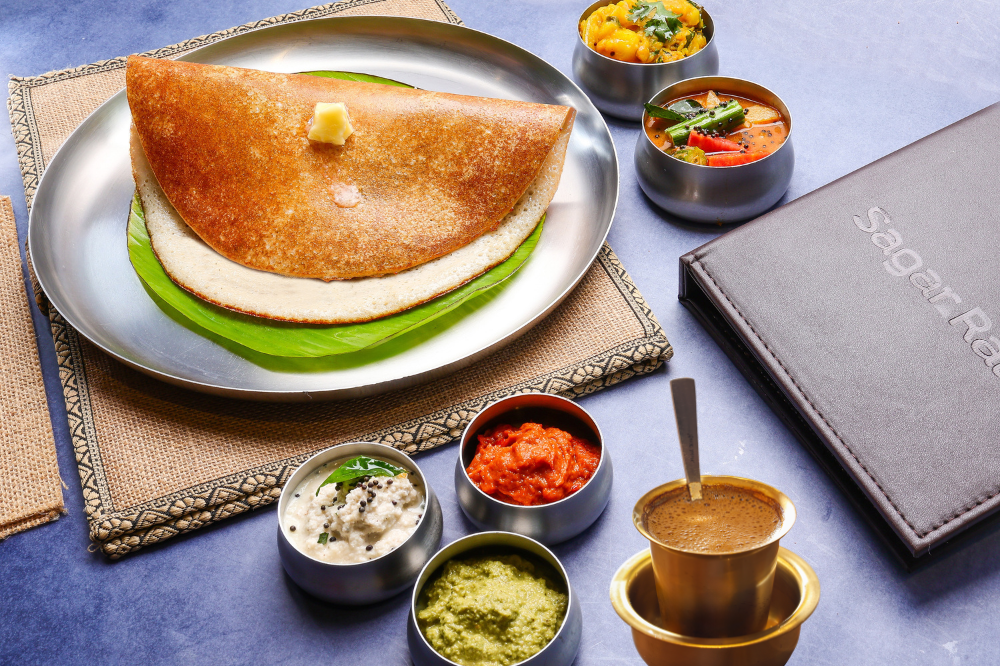
Delhi has always been receptive to regional food experiences. That is why there is interest in benne dosa in Delhi, not just among people who know Karnataka food.
Diners are now exacting about what they want. They compare paper dosa, Mysore masala dosa, set dosa, podi dosa and butter-rich regional styles.
That curiosity has hastened the liking for benne dosa in the city. It’s broadened its menus and made restaurants explain the provenance of dosas and the character of different varieties.
The Dosa revolution also reflects a broader interest in regional South Indian cuisine. Diners now want to know the story behind the food, not just the filling inside it.
For someone searching for a good South Indian restaurant in Civil Lines, this pairing offers an easy entry point into regional breakfast culture. It is familiar enough to feel comforting and distinct enough to feel new.
Finding authentic benne dosa in Delhi is not only about seeing the name on the menu. Look at how the restaurant describes, cooks, and serves it.
A dependable South Indian restaurant should serve the dosa immediately after cooking. The coffee should be made from brewed decoction, not instant coffee.
It will also keep the accompaniments simple. Fresh chutney and a well-seasoned palya should support the dosa rather than hide it.
When comparing choices for a restaurant in Civil Lines, look beyond menu photographs. Before ordering, check for these signs:
A restaurant that pays attention to these details can offer a much better experience than one simply following a trend.
If you haven’t tried this heavenly pairing, visit your nearest Sagar Ratna outlet today.
At Sagar Ratna, we combine the comfort of familiar breakfast traditions with regional flavours. For those looking for a restaurant in Civil Lines, it’s the joy of finding South Indian cuisine in food that’s both authentic and approachable.
Still, the best experience is a function of freshness. The dosa should be served hot and the coffee mixed just when it is ready to serve.
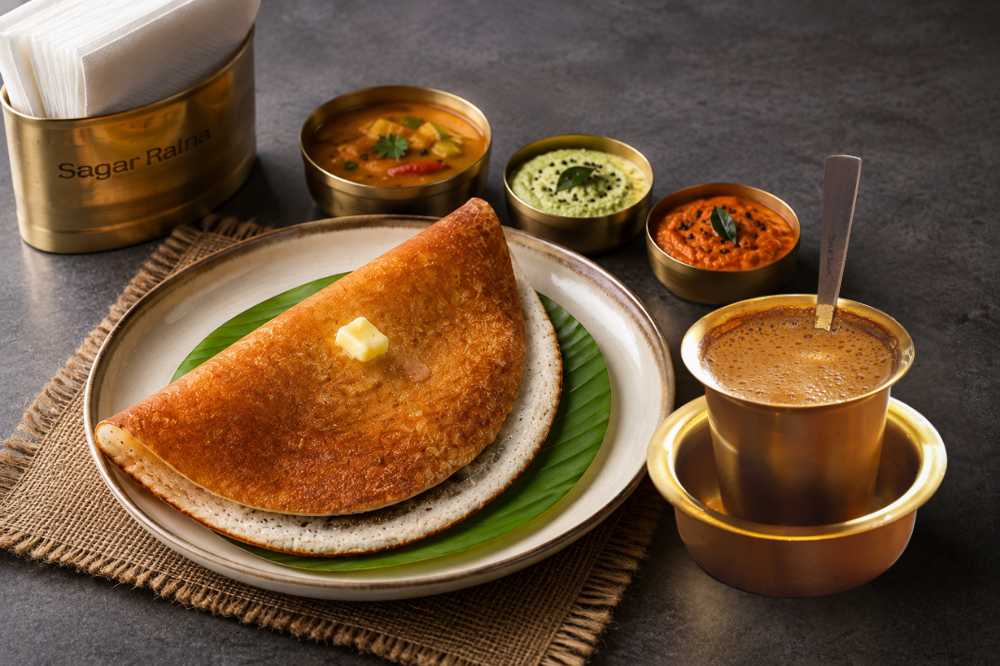
Ordering this combination is simple, but a few choices can improve the experience.
The real charm of benne dosa and filter coffee is in the way they go hand in hand. Butter, for comfort. Coffee, for depth. The contrast makes each bite interesting.
The benne dosa boom in Delhi and the larger dosa revolution are proof that regional breakfast traditions still have the power to surprise new diners. A good South Indian restaurant in Civil Lines can make this simple combination a memorable introduction to South Indian cuisine and Madras filter coffee.
Yes. Coffee works with plain dosa, masala dosa, idli, vada, and many breakfast dishes. However, it works especially well with butter-rich dosas because its bitterness balances the fat. That contrast explains why the combination has become so widely recognised.
No. A good version tastes buttery, but it should not leave the plate soaked in oil. That balance is central to benne dosa. Richness should come from controlled cooking, not excessive butter added after the dosa is ready.
It can be strong, but the final taste depends on the ratio of decoction to milk. A well-made South Indian filter coffee should taste bold, smooth, and balanced.
Instant coffee dissolves directly in hot water or milk. When people ask what is filter coffee, the key difference is that filter coffee is brewed slowly to create a concentrated decoction.
Yes. Learning how to drink filter coffee is easy, and there is no single compulsory method. You may pour it once or twice for cooling, then sip from whichever vessel feels easier.

 Instagram
  Facebook
  Twitter