 India
India
 Netherlands
 Singapore


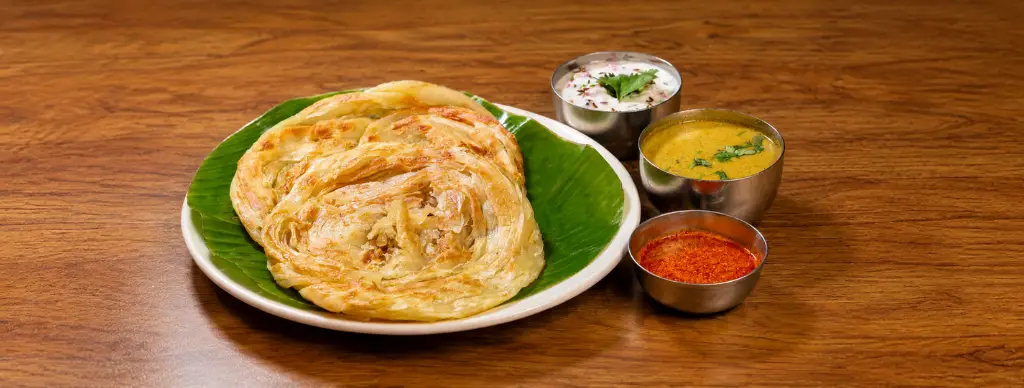
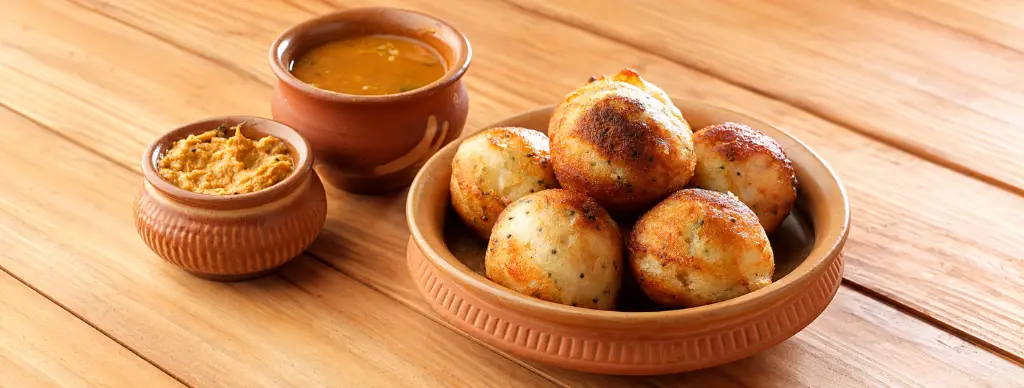
What Is Paniyaram? Ingredients, Types, and South Indian Origins



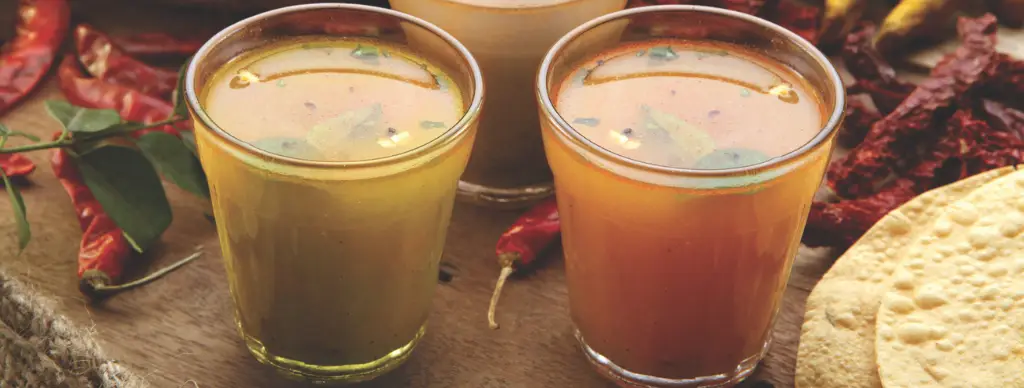
Craving a tangy soupy base to go with your dosa or idli? The best choices are sambar and rasam. Aren’t both the same? Although both dishes are staples in South Indian cuisine and seem similar to many, there is a difference between sambar and rasam. They are different in taste, texture, and ingredients. Diners at Sagar Ratna restaurant can taste authentic versions of both, which will help them to understand these subtle differences in taste and preparation.
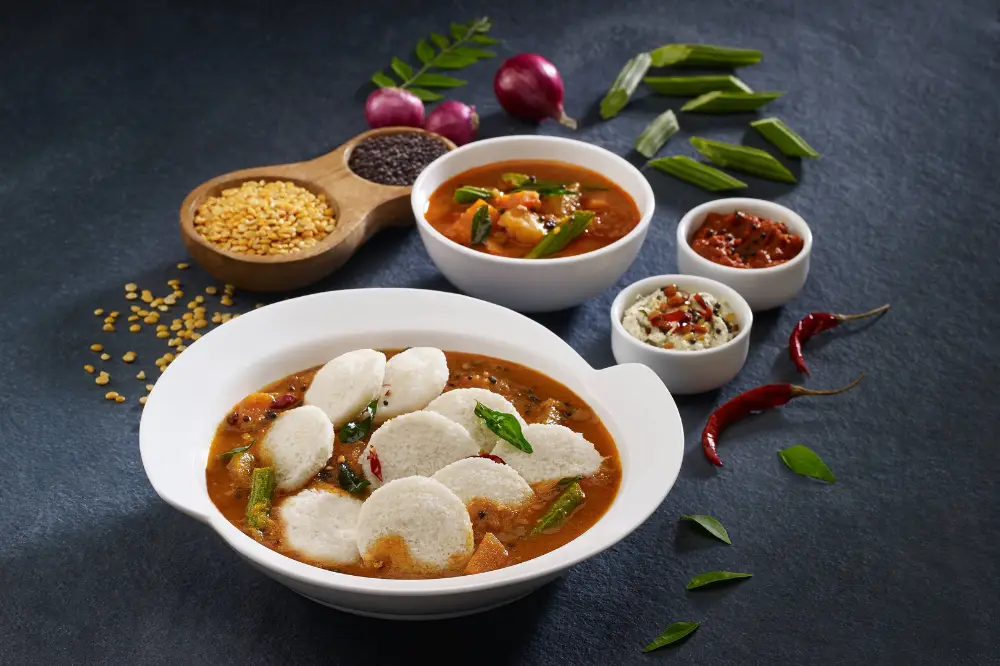
Sambar is a deliciously thick stew, which is an essential component of South Indian cuisine. It basically contains lentils, tamarind, and a variety of vegetables. The dish has a slightly sour taste, a bit spicy, and thick in texture, and it goes well with rice, idli, and dosa.
Rasam is another signature of South Indian Cuisine that is lighter and more liquidy. Rasam is all about a tangy, spicy and aromatic broth that is usually drunk as a soup or poured over rice. It is thinner and often considered digestive, which makes it good as a starter or as a light accompaniment.
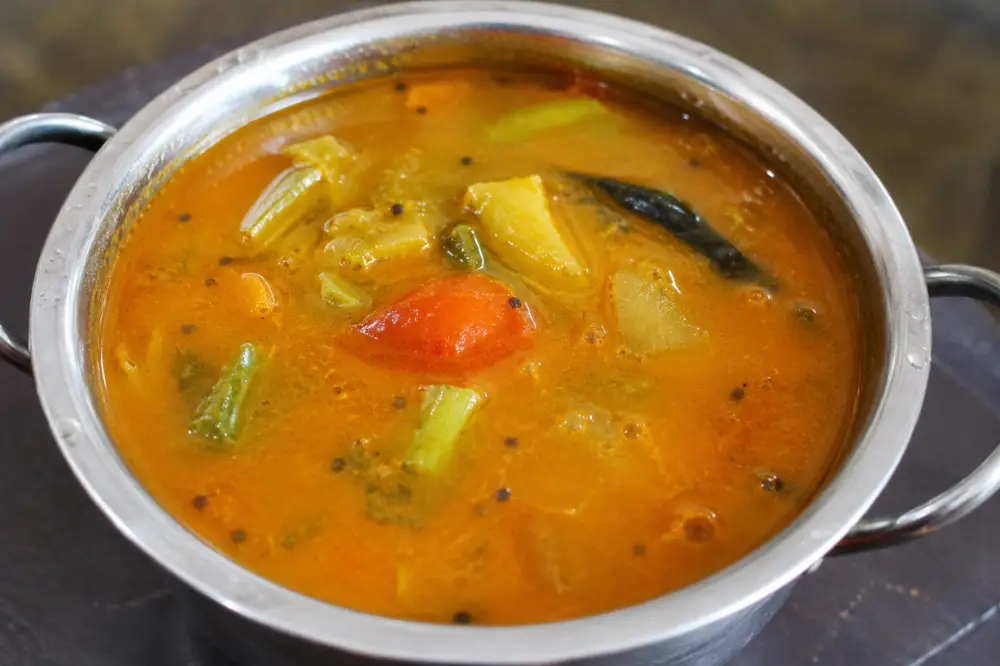
We are a 100% pure vegetarian restaurant that prepares fresh sambar and rasam in the most authentic way that has been followed for generations in our kitchen.
These careful preparations at our pure vegetarian restaurant ensure every bowl of sambar and rasam reflects the rich tradition of South Indian cuisine, giving our diners a taste that is both authentic and comforting.
To get a clear picture of the difference between sambar and rasam, we should look at their texture and the taste profile:
| Feature | Sambar | Rasam |
|---|---|---|
| Consistency | Thick and hearty, made with lentils and a variety of vegetables. | Simpler and lighter, often prepared without the variety of vegetables used in sambar. Its focus is on tangy and spicy notes that complement rice without overwhelming it. |
| Flavour | Mildly spiced, tangy, hearty | Spicy, tangy, aromatic |
| Primary Ingredients | Lentils and vegetables | Tamarind, tomatoes, spices |
| Serving Style | With rice, idli, dosa | As soup or poured over rice |
| Satiety | Filling, suitable for meals | Light, often digestive |
At Sagar Ratna restaurant, this contrast is carefully maintained. Our guests can enjoy sambar as a complete, wholesome dish while appreciating the delicate, tangy flavours of rasam.
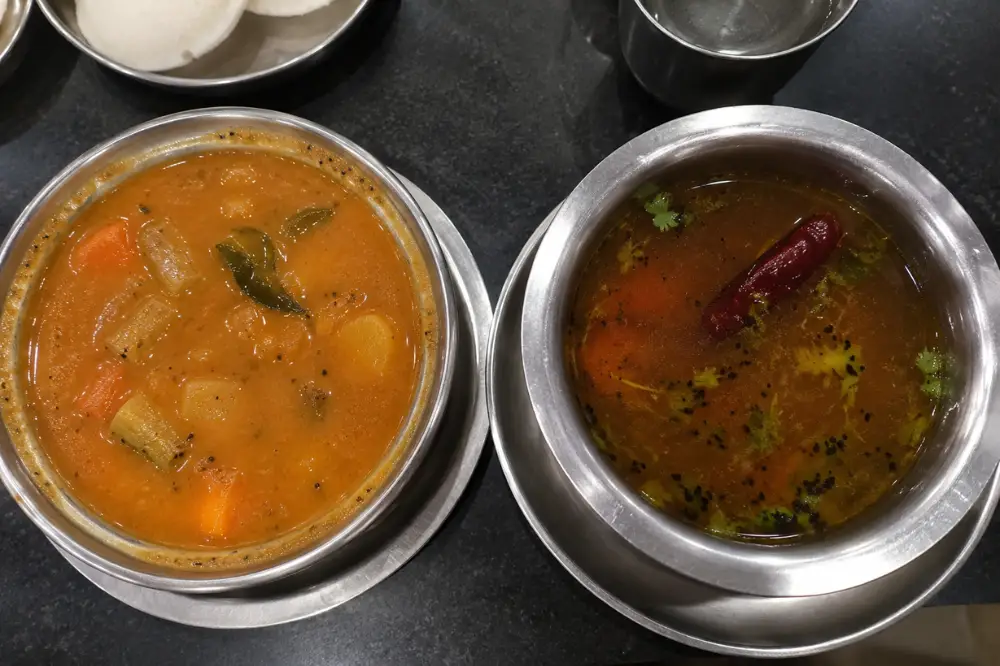
In addition to tasting great, we ensure that our sambar and rasam have additional nutritional benefits. Both of these dishes form an integral part of South Indian cooking and offer a variety of health benefits to our diners.
Let’s take a look at their health benefits one by one:
| Nutrient | Source | Benefit |
|---|---|---|
| Iron | Toor dal, spinach, fenugreek | Prevents anemia |
| Zinc | Pulses, spices | Supports immunity |
| Folate (B9) | Dal, vegetables | RBC production, nerve function |
| Magnesium | Dal, vegetables | Reduces inflammation, supports bone health |
| Vitamin A | Carrots, tomatoes, red chillies | Supports vision and immunity |
| Vitamin C | Tomatoes, coriander | Antioxidant, collagen synthesis |
| Potassium | Vegetables (drumsticks, carrots) | Blood pressure regulation |
| Compound | Source | Benefit |
|---|---|---|
| Piperine | Black pepper | Enhances curcumin absorption, antimicrobial |
| Curcumin | Turmeric | Anti-inflammatory, anticancer, and liver protection |
| Allicin | Garlic | Antimicrobial, lowers blood pressure and cholesterol |
| Capsaicin | Red chili | Pain relief, metabolism boost |
| Cuminaldehyde | Cumin | Hypoglycemic, antioxidant |
| Tartaric Acid | Tamarind | Laxative, antioxidant |
| Lycopene | Tomatoes | Antioxidant, supports heart health |
The difference between sambar and rasam is more than just ingredients. Sambar is thick, hearty, and vegetable-rich. Rasam is light, tangy, and aromatic. Both are staples of South Indian cuisine and essential in a vegetarian restaurant menu. At Sagar Ratna restaurant, diners can enjoy authentic versions of each, experiencing their unique flavours and textures while appreciating traditional preparation methods.
The main difference lies in consistency and flavour. Sambar is thick, hearty, and vegetable-rich, while rasam is thin, tangy, and aromatic. Both are staples of South Indian cuisine and complement rice, idli, and dosa differently.
Both dishes are healthy. Sambar is protein- and fibre-rich due to lentils and vegetables, while rasam is lighter, easier to digest, and rich in spices that aid digestion. A pure vegetarian restaurant like Sagar Ratna often serves both to balance meals.
Yes, they often appear together in South Indian meals. Sambar provides the hearty base, while rasam adds a tangy, aromatic note. Restaurants like Sagar Ratna offer both for a complete, balanced dining experience.
Sambar uses lentils (toor dal), tamarind, vegetables, and sambar powder. Rasam uses tamarind or tomato base, spices, and sometimes garlic or pepper. Both include tempering with mustard seeds, curry leaves, and dried chillies.
Knowing the difference helps diners choose the right accompaniment for rice, dosa, or idli. Sambar is filling and rich; rasam is light and digestive. This knowledge enhances the South Indian cuisine experience at restaurants.

 Instagram
  Facebook
  Twitter