 India
India
 Netherlands
 Singapore


Traditional Bisi Bele Bhat: History, Ingredients, and How It’s Made



India is not known for just one cuisine but is home to hundreds of cuisines that exist on a single plate. The creamy gravy dishes eaten with naan in the northern parts of the country are as much a part of Indian cuisine as the sambhar and crispy dosa from the southern side.
Here at Sagar Ratna, we welcome food lovers who are always keen to experience the rich flavours of both North Indian and South Indian cuisine. While some might prefer the richness of the paneer curry dishes, others may be fond of the simple and rustic taste of the South Indian meals. These cuisines are equally loved by Indians, yet each is uniquely different from the others.
Knowing the differences between the two cuisines can make your Indian culinary journey much richer. So whether you are a die-hard food lover or trying out the new delicacies of an established vegetarian restaurant, this blog is just right for you.
This discussion mostly revolves around the question, “Which one is better?” Actually, such a comparison can be equated to comparing mangoes with coconuts.
While North Indian cuisine has a reputation for its thick gravies, dairy preparations, and hearty breads, its preparation was shaped by the cooler climate of northern India, leading to the use of wheat, milk, dry fruits, and spices that induce heat.
On the contrary, South Indian cuisine is characterised by dishes that incorporate rice, coconut, curry leaves, tamarind, and lentils because of the tropical environment of southern India.
At Sagar Ratna restaurant, we believe both cuisines represent the incredible diversity of Indian food culture. The beauty lies in understanding how each region creates comfort through its own ingredients and traditions.
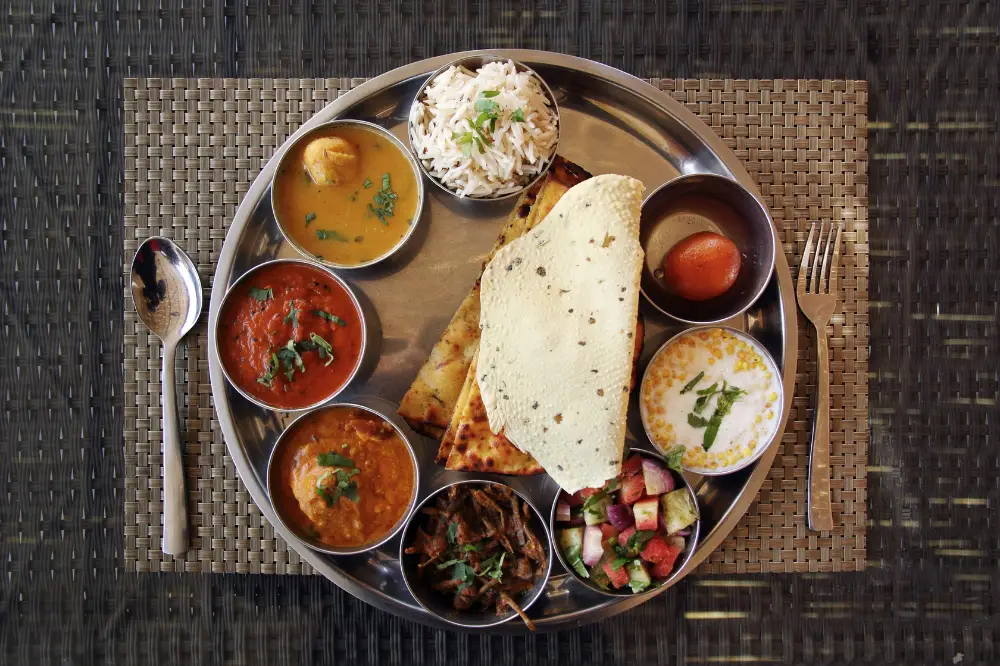
North Indian kitchens are built around richness and depth. Some of the most commonly used ingredients include:
Breads such as naan, roti, kulcha, and paratha play an important role in any meal. Alongside bread, rice is also eaten, yet wheat forms the staple food in most northern Indian states such as Punjab, Delhi, and Uttar Pradesh.
The inclusion of dairy makes North Indian dishes creamy and satisfying. This explains why many tourists going to a vegetarian restaurant prefer looking for paneer dishes.
Northern food has a bold, rich, smoky and layered flavour profile. Spices are usually cooked slowly in oil or ghee to develop deep flavours.
Popular spices include:
North Indian dishes are always quite rich due to the use of butter, cream, and the slow cooking of gravies. Tandoor cooking also adds a signature smoky flavour.
Some iconic dishes from the north include:
Cooking techniques play a huge role in defining North Indian and South Indian cuisine.
North Indian cooking commonly uses:
The focus is often on creating depth, richness, and layered flavours over time.
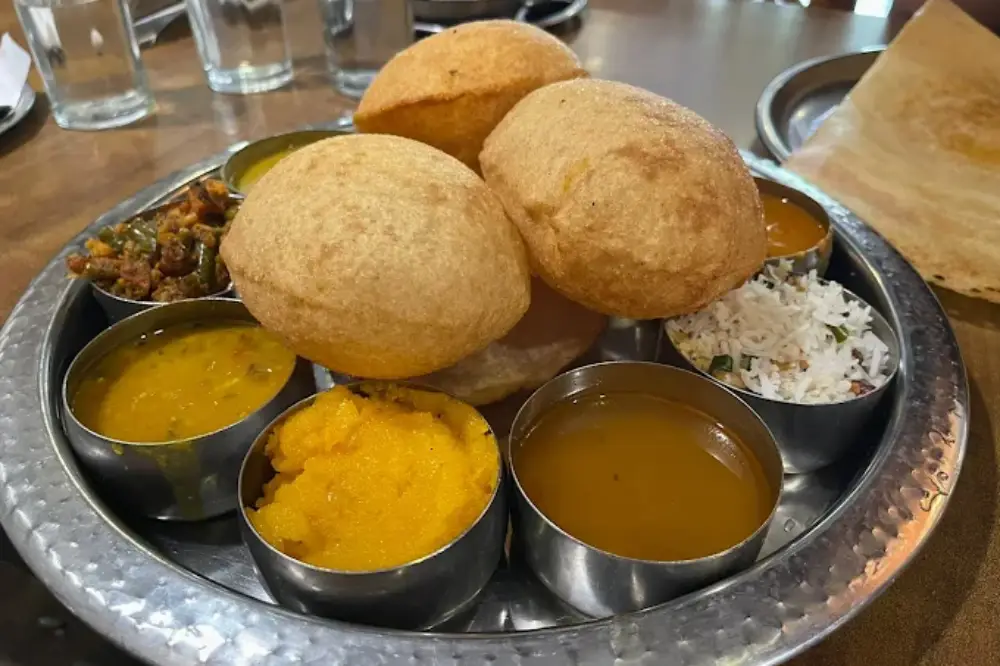
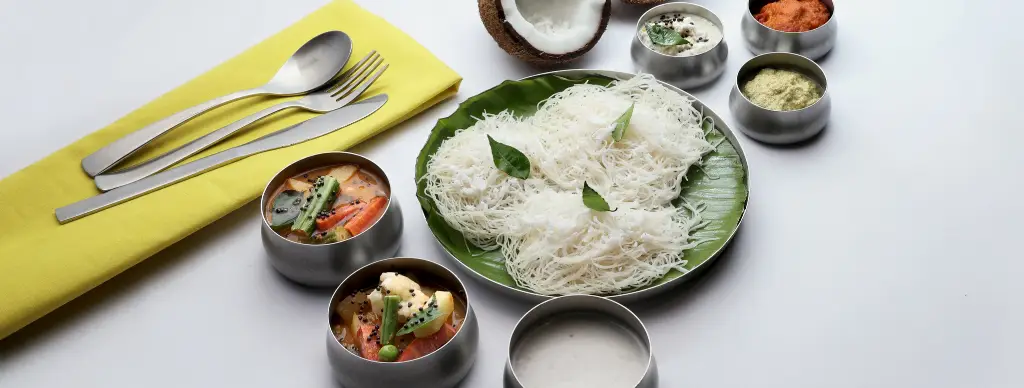
South Indian food is built around simplicity, freshness, and balance. The most common ingredients include:
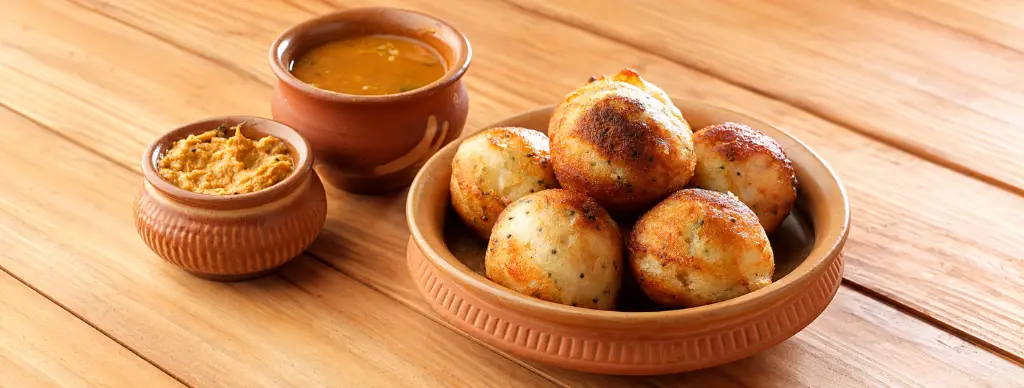
Rice forms the heart of most meals. Fermented batters are also widely used for dosa, idli, uttapam, and appam.
South Indian food is is characterized by sharp, spicy, and aromatic taste profiles. It differs greatly from that of northern India, which is generally creamier in its taste profile.
The following are common spices used in South Indian cooking:
Tempering is widely used in South Indian cuisine. This involves heating oil with a combination of spices such as chillies, curry leaves, and mustard seeds.
It is the contrast between North Indian and South Indian dishes that makes it so fascinating to explore together.
Some of the most loved South Indian dishes include:
These dishes are not just delicious. They are also comforting, balanced, and naturally suited for daily eating.
Many guests visiting a trusted vegetarian restaurant today are actively choosing South Indian meals because they feel lighter while still being filling.
South Indian cooking focuses on freshness and balance.
Common techniques include:
Fermentation especially plays an important role. It improves texture, flavour, and digestion, making dishes like dosa and idli both delicious and wholesome.
At Sagar Ratna restaurant, we continue to follow traditional preparation methods because authenticity matters deeply in South Indian cooking.
| Aspect | North Indian Cuisine | South Indian Cuisine |
|---|---|---|
| Staple Food | Wheat-based breads | Rice-based dishes |
| Cooking Medium | Ghee, butter, cream | Coconut oil, sesame oil |
| Flavour Style | Rich and creamy | Tangy and spicy |
| Common Ingredients | Paneer, dairy, tomatoes | Coconut, tamarind, lentils |
| Famous Dishes | Paneer Butter Masala, Chole | Dosa, Idli, Sambhar |
| Cooking Techniques | Tandoor, slow cooking | Fermentation, steaming |
| Spice Profile | Garam masala heavy | Curry leaves and mustard seeds |
| Texture | Thick gravies | Light and balanced |
| Meal Style | Heavy and indulgent | Simple and wholesome |
This diversity is exactly why India’s food culture remains unmatched. Both styles bring something special to the table.
One of the reasons why Indian food is popular around the world is because of its variety and distinctiveness. There’s something unique about each Indian region.
North Indian and South Indian dishes are special because they cater to two very contrasting moods. On some days, one would fancy eating the buttery naan with a delicious dal makhani; on other days, a crispy dosa with hot sambhar does the trick.
At Sagar Ratna, we’ve always been mindful of offering our guests food that’s comforting and authentic. That’s why we emphasise the importance of preserving authentic flavours while providing a comfortable dining environment.
Today, many people searching for a quality vegetarian restaurant are looking beyond just menu size. They want authenticity, consistency, freshness, and emotional connection with food. That is where genuine Indian dining stands apart.
Vegetarian dining has evolved significantly over the years. Vegetarian cuisine was once thought of as being basic and limiting. However, today it is known for its variety and healthiness.
As an established vegetarian restaurant, we have noticed that more families, young adults and even tourists prefer to eat vegetarian cuisine, not only as a custom but also as a way of life too.
The increased appreciation of North Indian and South Indian cuisine has inspired diners to learn more about their foods and recipes. In this way, Indian vegetarian cuisine has become increasingly interesting.
The difference between North Indian and South Indian dishes isn’t really about superiority. Instead, it is about embracing two unique culinary cultures that embody the essence of India’s rich diversity.
While the North Indian dishes bring the richness and warmth of an indulgent cuisine, the South Indian dishes promise comfort and balanced flavours with a burst of taste in every bite.
Sagar Ratna has been dedicated to preserving the uniqueness of these cuisines for decades through its traditional recipes, high-quality ingredients, and unmatched flavours. Whatever North Indian or South Indian dish you choose, an unforgettable experience always starts with food prepared with passion.
In all honesty, that is what makes any good vegetarian restaurant exceptional.
North Indian cuisine is usually richer, creamier, and more wheat-based, with dishes like naan, paratha, paneer curries, chole, and dal makhani. South Indian cuisine is more rice-based and often uses coconut, curry leaves, tamarind, lentils, and fermented batters. Both have strong flavours, but their ingredients, cooking styles, and meal formats are quite different.
South Indian food is often considered lighter because many dishes are steamed, fermented, or made with rice and lentils. Dishes like idli, dosa, sambhar, rasam, and curd rice can feel easy on the stomach while still being filling. North Indian food can also be wholesome when prepared with fresh ingredients, balanced spices, and less oil or cream.
Both North Indian cuisine and South Indian cuisine offer excellent choices for vegetarian diners. North Indian food has paneer dishes, dals, stuffed breads, rajma, chole, and rich gravies. South Indian food offers dosa, idli, uttapam, vada, sambhar, rasam, and rice-based meals, making both cuisines equally satisfying in their own way.
Sagar Ratna is known for serving authentic vegetarian food with consistent taste and quality. As a vegetarian restaurant, we focus on traditional Indian flavours, especially South Indian favourites that many guests have loved for years. Our aim is to offer food that feels familiar, comforting, and reliable every time you visit.
If you are new to Indian vegetarian food, start with simple classics like dosa, idli sambhar, dal, paneer curry, or a thali. These dishes give you a good understanding of Indian flavours without feeling too heavy or complicated. At Sagar Ratna restaurant, many guests begin with South Indian favourites because they are comforting, flavourful, and easy to enjoy.

 Instagram
  Facebook
  Twitter