 India
India
 Netherlands
 Singapore



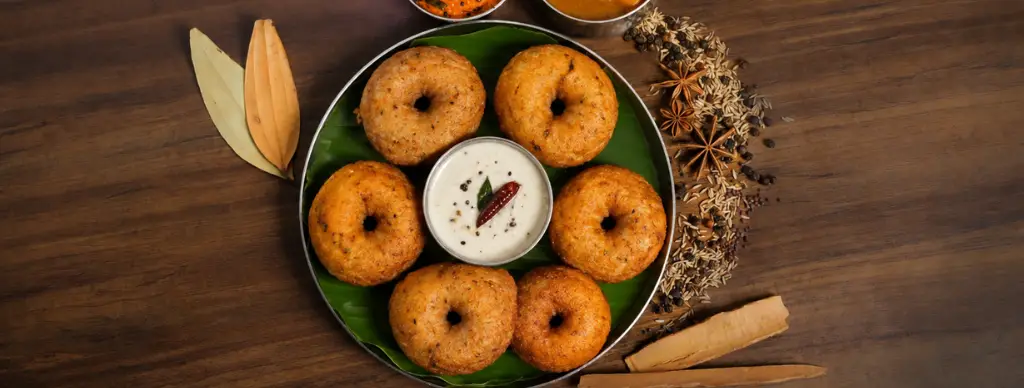
What Is Medu Vada? Everything You Need to Know



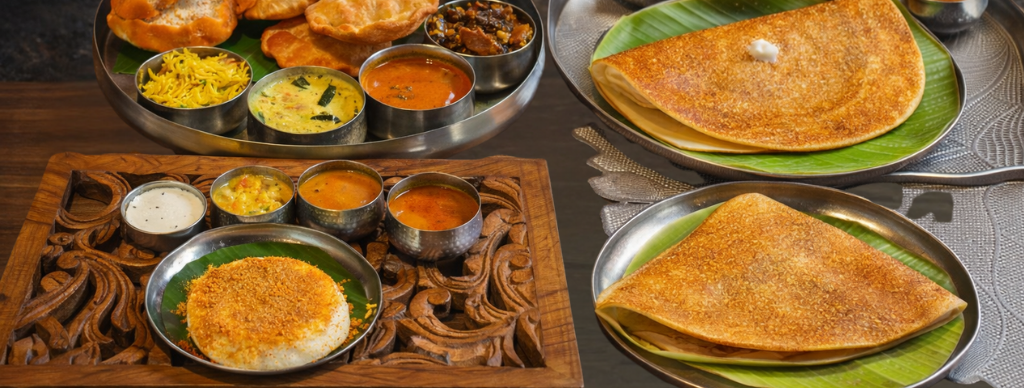
What is the national food of India? People from different regions might have their own set of options that are inconclusive. This is because of various reasons, which this blog will cover, along with the myth associated with it.
First, which dish do you think is our national food? Read the blog; you might be surprised with the answer.
Let’s understand this: Many people believe that there must be a fixed answer to the national food of India, but the truth is quite the opposite. Actually, there is no officially declared dish that holds the title of India’s national food name. Keep reading and you will know why.
India’s identity is built on diversity in languages, culture, religions and food as its strongest expressions. Every region has its own local recipe, staples, flavours, and cooking styles. And those regional preferences also vary based on climate, traditions and ingredient availability. Because of this, it is difficult to label only one dish as our national food without ignoring the rest.
So, if you are asked which dish is India’s national food, you will probably give the best dishes you like from various states of India. This is how it is, and for a valid reason, India stands for unity in diversity, the same with food culture.
In contrast to seeking one dish closest to becoming the national dish, our focus should shift towards the people favourite foods that are known, enjoyed and consumed by Indians. This is necessary in order for a list of potential national dishes to be compiled.
According to us, the main characteristics that should be taken into consideration as criteria for the national dish should include:
Thus, discussions concerning India’s national dish usually centre around those foods which have not just a reputation, but also an immense cultural value.
| Dish | Why It Enters the Conversation | What It Represents |
|---|---|---|
| Khichdi | The dish is often considered the unofficial answer to India’s national dish due to its simplicity, nutritional value, and preparation in homes throughout various socio-economic backgrounds. | Comfort, nutrition, versatility, and everyday Indian eating |
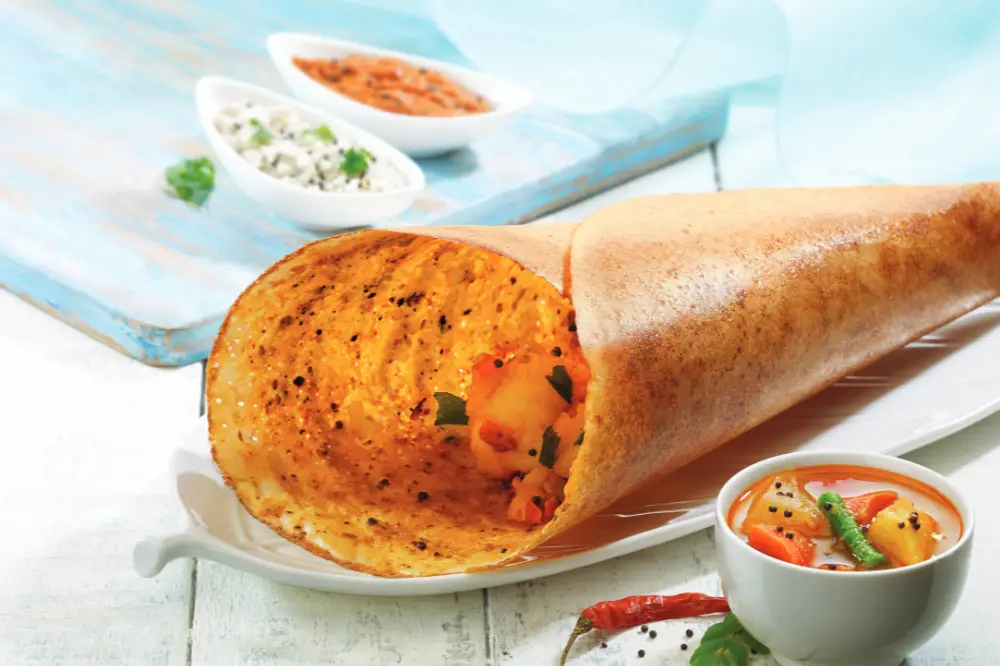
| Masala Dosa | A South Indian speciality that has been loved well beyond the South, masala dosa has become one of the most recognised Indian dishes internationally. | Regional pride with national and international appeal |
| Paneer Butter Masala | Its rich, creamy flavour gives it broad popularity, particularly among those who associate Indian food with indulgent vegetarian curries. | North Indian restaurant culture and universal appeal |
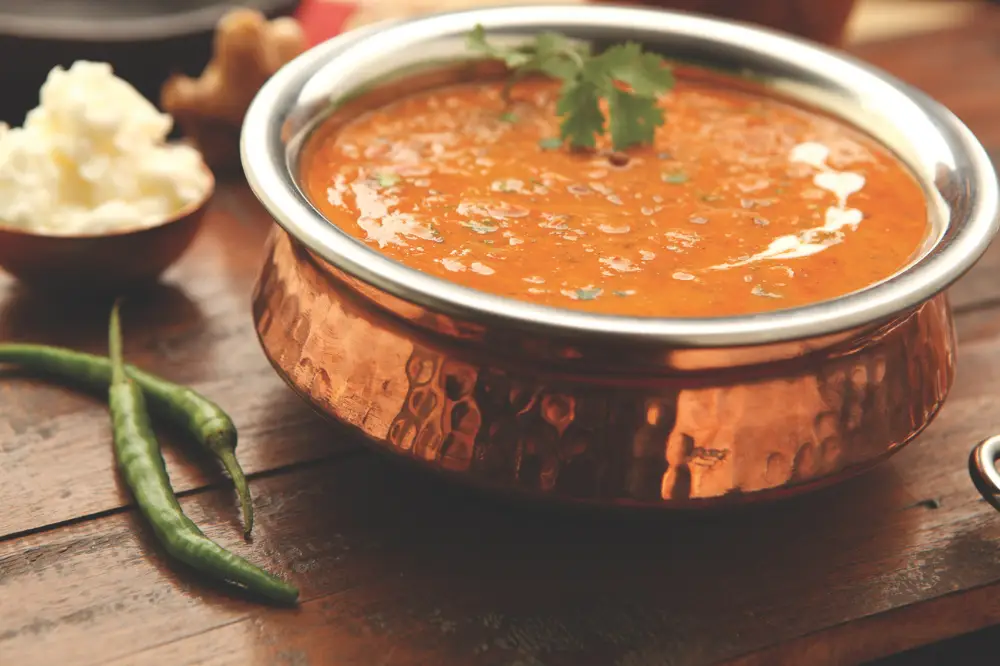
| Dal Makhani | Being slow-cooked, rich, and deeply satisfying, dal makhani is definitely a dish that can be called a favourite on any occasion. | Punjabi culinary richness and its widespread popularity |
| Aloo Gobi | Though it is a simple dish, its humble flavour symbolises what everyday home-style Indian cooking looks like. | Simplicity, routine, and family cooking |
| Idli & Sambar | This combination is very nutritious, widely recognised, and is an important part of the daily breakfast culture in Indian households. | Balanced, light, and traditional South Indian cuisine |
| Rajma Chawal | A comfort favourite, particularly in the North, that is laden with emotional and cultural significance. | Homestyle comfort and regional attachment |
| Chole Bhature | Hearty, filling, and instantly recognisable, this dish is said to represent the more indulgent side of North Indian food culture. | Flavour, celebration, and everyday popularity |
If comfort and simplicity are the measure, khichdi feels like the strongest answer. However, if popularity is more relevant, masala dosa, paneer butter masala, and dal makhani would be better candidates. On the other hand, emotional ties to dishes such as rajma chawal, idli sambar, and chole bhature cannot be overlooked in terms of the country’s culinary culture.
This is precisely why the discussion is so relevant to individuals. A dish that is essential to the family in one house may not have the same significance in others. Diversity has always been a significant element of the Indian cuisine served by Sagar Ratna. The food in India has always been diverse since it has never been about a single dish. It was always about many dishes, many recipes, and many tastes.
Are you interested in experiencing the richness of the Indian food culture for yourself? You can explore that flavour journey through your nearest location here.
Sagar Ratna’s goal has always been to provide consistent quality while showcasing the South Indian cuisine in its purest form to everyone across the regions. Our authenticity with food reflects how one cuisine can still represent a part of the larger Indian food story.
As far as people’s opinions about the national cuisine of India are concerned, they always involve some stereotypes that appear to be logical at the beginning. However, upon considering Indian cuisine itself, one will discover that none of them makes any sense since Indian cuisine was never supposed to correspond to certain characteristics.
This is probably the most common idea that people have when they look for the national food of India. A lot of people think that each country should have one official dish that everyone can enjoy. But that’s not how it works in India. Instead of one central plate, the country’s food identity is made up of many regional traditions.
Though a dish can be well-loved from city to state, and generation to generation, it does not necessarily mean that it is officially declared the national food dish. Popularity can be one factor that makes people look for India’s national food name, but popularity will never be the basis for choosing one. A famous dish can easily reflect public love without bearing an official tag.
This assumption causes many misunderstandings about our food culture. There are various styles of Indian cooking, with different flavours and different types of meals. It changes according to geographic location, ingredients available locally, the lifestyle of the community, and their history. This is exactly why the idea of our national food stays open rather than fixed.
Foods loved by many in the restaurants are just some of the foods associated with Indian cuisine. In truth, most of the foods eaten in their homes give more insight into the way of eating across the entire country. Hence, it is quite limiting to describe Indian cuisine based on the popularity of a few dishes served in restaurants.
This sounds heartwarming, but it rarely reflects reality. A dish that is important in one region may not hold the same emotional or cultural place in other areas. This is commonly seen when you go from state to state. That’s why the debate about India’s national food name goes on, and why the answer is always variety instead of one winner.
It sounds easy to find out what India’s national food is, but the real answer is much more complicated. Indian food is unique because there is no official name for it. It can’t be boiled down to one dish, one region, or one flavour. Every plate adds to the bigger story, from comfort foods to holiday favourites. In the end, there isn’t just one recipe for our national food. Many dishes, traditions, and memories are what keep people coming back to the table.
There is no nationally recognized food item in India. In fact, the diversity of India’s food culture makes it difficult to choose a particular food item as the national food because there are several regions in India that have their own unique food items. Because of this, assigning a single dish as the national food does not accurately represent Indian cuisine.
Several dishes can be mentioned as popular contenders for becoming the national dish of India. Some examples are khichdi, masala dosa, paneer butter masala, dal makhani, idli sambar, and even roti or rice-based foods. Each of these reflects a different part of India’s food culture rather than one unified identity.
India’s food habits vary significantly across regions due to differences in climate, ingredients, and traditions. A dish that is central to one region may not be as common in another. This diversity makes it difficult to define one dish as representative of the entire country.
No, khichdi is not officially recognised as the national dish of India. While it is often mentioned because of its simplicity and widespread presence, it has never been formally declared as such. It is better understood as a symbolic dish rather than an official one.
The best way is to explore traditional regional dishes instead of limiting yourself to only a few widely known items. Indian cuisine is best understood through variety, whether that means South Indian breakfasts, comforting lentil-based meals, or rich regional curries. At Sagar Ratna, that idea comes alive through authentic vegetarian dishes that help readers and diners experience a meaningful part of India’s wider food story.

 Instagram
  Facebook
  Twitter