 India
India
 Netherlands
 Singapore



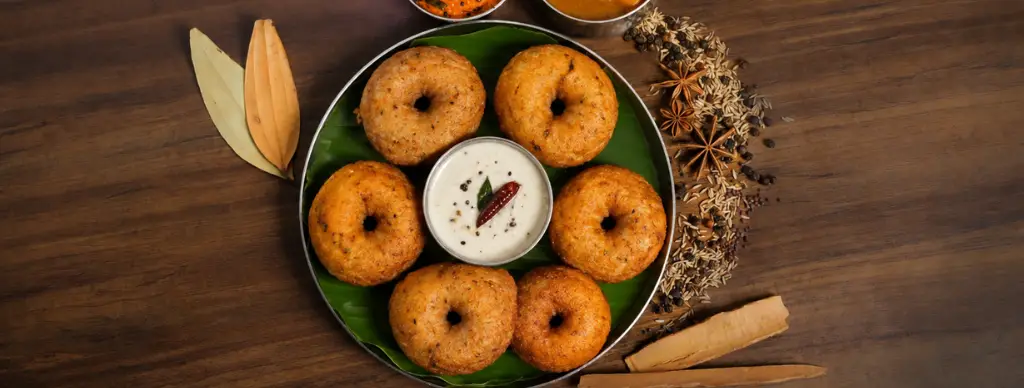
What Is Medu Vada? Everything You Need to Know



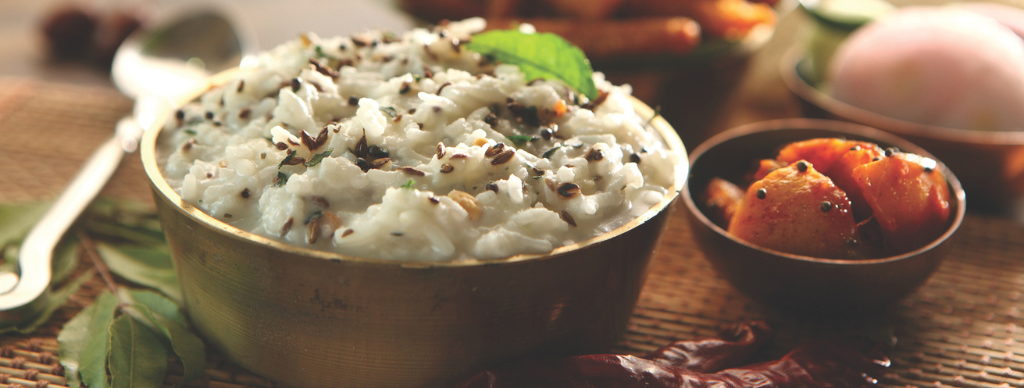
How you eat can affect how you feel after the meal. Although spicy, fried, or processed foods could be enjoyable, their nutritional value does not contribute much. This is why it is best to consider the simple yet nourishing sattvic food in Indian cuisine, especially if you plan to lead a mindful life.
Now, let’s have a better understanding of what sattvic food means.
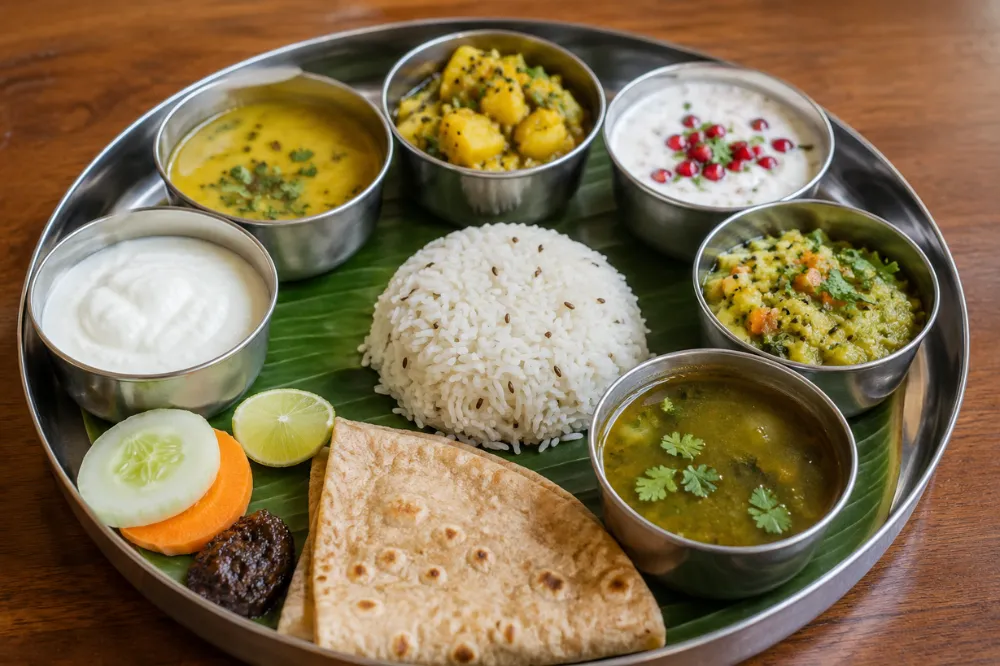
In essence, the sattvic form of Indian cuisine is based on Ayurvedic and yogic principles, which consider food as the source of not only physical energy but also that of the mind. Sattvic can be understood through its etymology in that sattva means purity, harmony, and clarity. Not only does this practice emphasise nutrition, but it also shows how food impacts your body and mind.
According to Indian Ayurveda, there are three food categories, called gunas, which help understand the concept of the sattvic diet:
A sattvic diet simply encourages eating foods that are natural, fresh, and easy to digest while keeping things balanced and mindful. There are certain rules to follow with a diet you must know about:
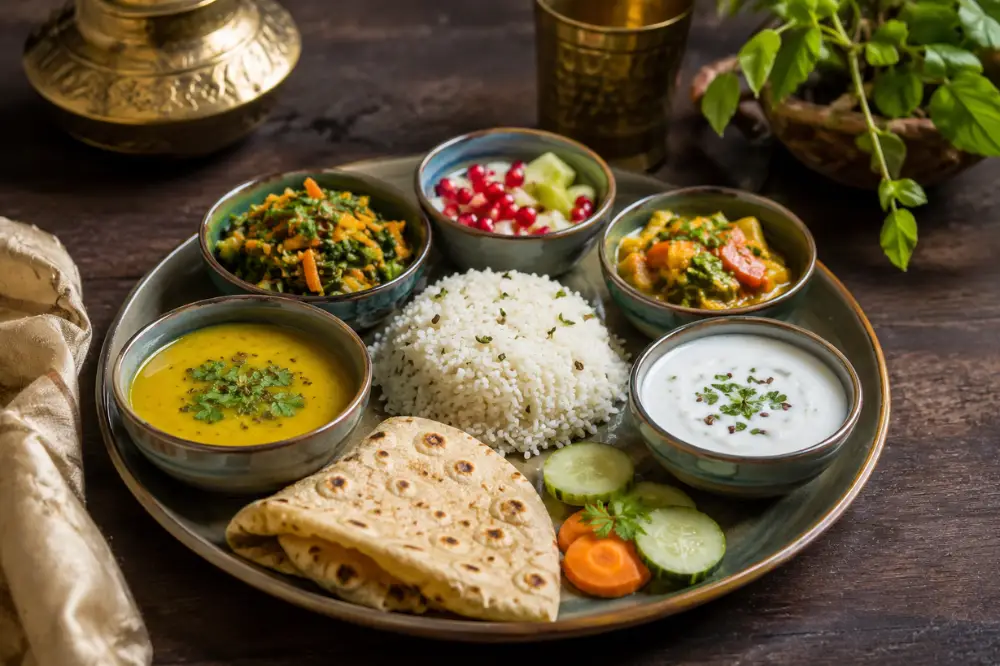
Eating a sattvic diet is usually linked with good physical and mental health. Even though it’s based on tradition, most of its advantages can be justified by modern knowledge about proper nutrition.
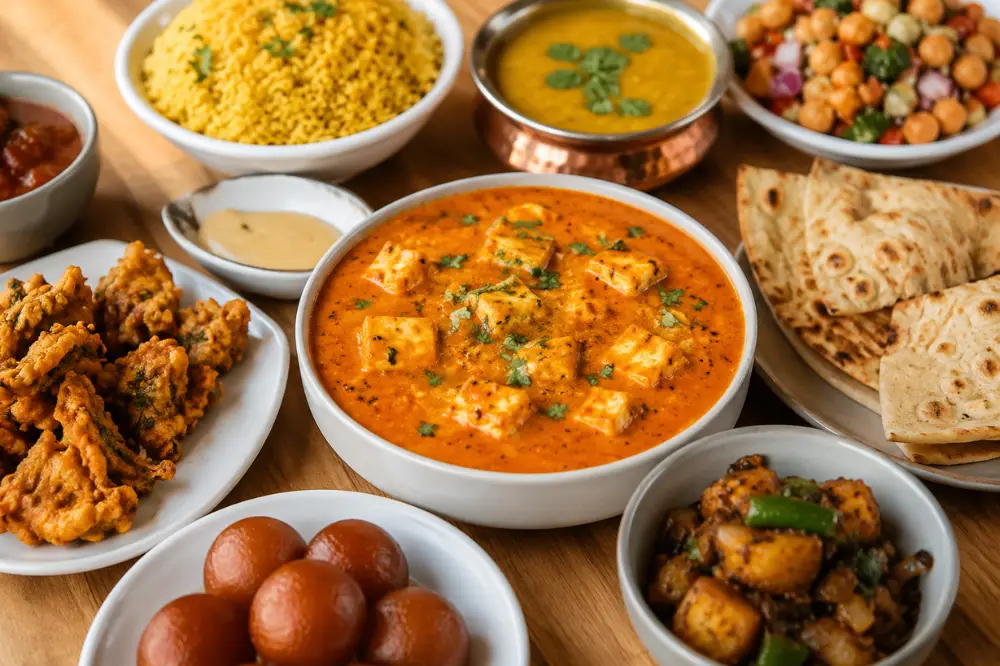
As well as knowing which foods are considered part of the sattvic food in Indian cuisine, it is essential to know which foods should be avoided. It does not make them bad foods but rather makes them less prevalent because they go against the idea of balance and purity.
All of these foods have stimulating effects on both the body and mind, which is the opposite of the idea of a peaceful diet, the Sattvic diet.
In stricter forms of sattvic food in Indian cuisine, even onion and garlic are avoided, as these foods are believed to increase restlessness.
Sattvic food in Indian cuisine is not restricted only to households or religious beliefs. This concept can be enjoyed when eating outside, too, particularly when the emphasis is purely vegetarian cooking and preparation.
As a pure vegetarian restaurant, it goes without saying that we adhere to many concepts of sattva by not using any meat or egg products. However, despite having many dishes on our menu, some of which may not be sattvic, we have many offerings for people who prefer a cleaner, simpler way of eating.
If you are planning a sattvic meal, then ordering here will make it very easy.
Unlike many other diets and lifestyles, sattvic foods in Indian cuisines are based on common sense rather than on rigid rules. What is more, the notion of sattvic meals represents the process of eating, which is enjoyable and harmonious. Following a sattvic way of eating is not about strict adherence but about using some useful information and knowledge related to eating practices, which can fit into modern-day life perfectly well. The sattvic lifestyle offers a wide variety of recipes and cooking practices. Sometimes, the simplest meals are the ones that leave the strongest impact.
In Indian cuisine, the term “sattvic food” designates food that is fresh, light, pure, and easily digestible. Such an approach to food choice is associated with both Ayurvedic and Yogic practices and implies a special way of selecting meals, which is done not only based on nutritional needs but also with respect to creating a certain balance. The sattvic diet normally relies on vegetarian products and mindful approaches to cooking.
There are differences between the two concepts, although both imply eating only vegetarian products. In addition to being vegetarian, the sattvic diet also implies more attention paid to food choice regarding its quality, freshness, and preparation. Specifically, it normally involves excluding strongly spiced food, as well as onions and garlic, from strict diets.
A sattvic diet usually includes fresh fruits, vegetables, whole grains, lentils, nuts, seeds, and dairy in moderation. Meals are often warm, lightly cooked, and made with simple ingredients that are easy on digestion. Foods like khichdi, fresh curd, lightly cooked sabzi, and simple dosa or idli-style meals often fit well into this approach.
Foods that are too spicy, oily, stale, processed, or overly stimulating are generally avoided. This can include deep-fried items, packaged snacks, caffeine-heavy drinks, alcohol, and non-vegetarian foods. In more traditional or stricter sattvic eating patterns, onion and garlic may also be left out.
Yes, sattvic-style choices can be explored at Sagar Ratna, especially if you prefer simple vegetarian meals. As a pure vegetarian restaurant, it already aligns with several sattvic principles, and many outlets can also offer Jain or no onion-no garlic options on request. During certain festivals, you may also find special sattvic-style dishes or thalis designed to suit these preferences.

 Instagram
  Facebook
  Twitter