 India
India
 Netherlands
 Singapore


Top 15 Types of Sambar Popular in South Indian Cuisine



In This Blog
At Sagar Ratna, we believe food should do more than fill you up. It should comfort you, bring back memories, and maybe even surprise you a little. That’s especially true when it comes to South Indian cooking, where the magic lies in the spice box.
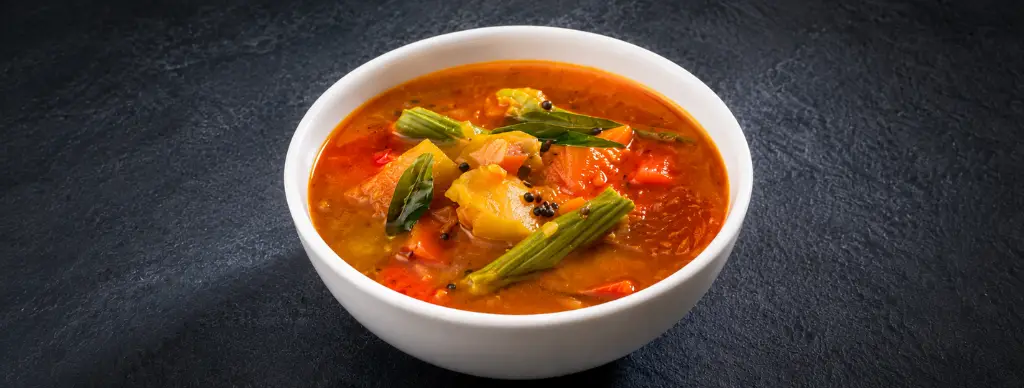
If you’ve ever taken a bite of sambar and felt a slow warmth spread across your tongue, you’ve tasted the power of good seasoning. That flavour doesn’t just happen. It comes from layers of spices working together, each one added at the right time, in just the right amount. Today, we want to share how we do it—and why we care so much.
When we talk about South Indian food, we’re not just talking about dosas, idlis, or vadas. We’re talking about the quiet flavour of curry leaves, the sharp pop of mustard seeds, the heat of dried red chillies, and the depth of toasted coriander. These are not extras—they are the heart of the dish.
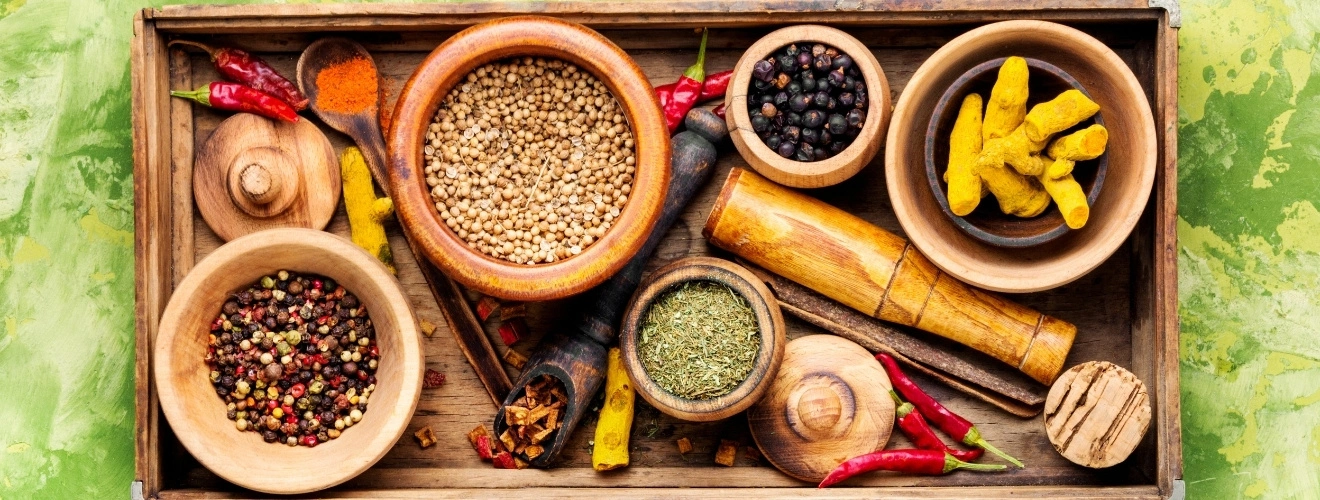
Spices shape how a dish smells, tastes, and feels. They give food personality. At Sagar Ratna, we treat them with the respect they deserve. That’s why our spice rack is more than a kitchen shelf. It’s the most important part of our kitchen.
In our kitchen, each spice plays a role. And we use it for a reason. Let’s look at a few you’ll find in many of our dishes.
We start a lot of our cooking with these. When mustard seeds meet hot oil, they sizzle and crackle. That sound means something good is on the way. They add a mild, nutty base that brings out the best in vegetables and dals.
Curry leaves must be fresh. The moment they hit the pan, their fragrance fills the room. It’s a smell that says “home” to many of our guests. You’ll find them in sambar, rasam, and chutneys.
This is one of those spices where a little goes a long way. We use just a pinch, but it adds depth, especially in lentil dishes. It also helps with digestion, which is always a plus.
We don’t use them to make food fiery. We use them to add warmth and a gentle heat. They’re also a part of the tempering we do in many of our dishes.
Turmeric gives more than colour. It brings a soft bitterness and a touch of earthiness. It’s in our sambar, our curries, and even some of our rice dishes. And yes, it’s also good for you.
Toasted and ground fresh, coriander seeds bring brightness. They balance the richness of lentils and coconut. We use them in sambar powder and many masalas.
Bitter but complex, fenugreek seeds show up in pickles and some gravies. We use them sparingly. When used well, they bring balance.
Anyone can add spices. But knowing when and how to use them? That takes practice.
In our kitchen, timing matters. Some spices go into hot oil first. Others are added towards the end. This isn’t guesswork. It’s learned through cooking the same dish over and over again, tasting, adjusting, and improving.
Take our rasam. It needs black pepper, cumin, red chillies, and curry leaves. But the order in which we add them—and how long we roast them—makes all the difference. It’s how we get that warmth that spreads across your chest after just one spoonful.
We don’t use pre-packed masalas. We roast and grind many of our spices ourselves. It takes more time, but it makes a difference. You can smell it. You can taste it.
Some spices are used whole. Some are powdered fresh each morning. We train our chefs to understand the difference. When to crush something, when to toast it, and when to leave it alone. These small choices are what bring our food to life.
We don’t believe in storing spices for months. They lose their punch. That’s why we source them in smaller batches and store them carefully.
Humidity, air, and light can all affect flavour. So we use sealed containers and rotate stock regularly. This isn’t something we do because it’s trendy. We do it because our food depends on it.
Let’s take a look at where these spices show up in our food.
These dishes aren’t defined by one spice. They’re made by the way several spices come together.
Many of the spices we use also have health benefits. Turmeric helps reduce inflammation. Hing helps with digestion. Curry leaves are rich in antioxidants. In South Indian homes, spices are seen as natural healers too.
At Sagar Ratna, we carry that thinking forward. We use spices in ways that are good for your body—not just your taste buds.
We don’t just buy spices in bulk. We build relationships with suppliers. We ask questions. We test every batch.
For example, our turmeric comes from trusted farms that dry it naturally. Our red chillies are sun-dried, not machine-dried, to keep their full aroma. It’s these kinds of details that matter.
There’s no short cut to making food that feels like home. And there’s no substitute for care.
Every day, our chefs stand over hot pans, tempering spices, stirring slowly, and tasting often. They don’t rely on machines or timers. They rely on their senses. Their judgment. Their training.
That’s why our food tastes the way it does. And that’s why people keep coming back.
South Indian cooking is built on balance. Spices aren’t fancy. They’re everyday ingredients. But in the hands of someone who understands them, they can create something unforgettable.
At Sagar Ratna, we use spices to tell stories. To honour traditions. And to share a little warmth with everyone who walks through our doors.
Next time you take a bite, take a moment to notice the flavour. It started on a spice farm. Travelled to our kitchen. And was added by hand—just for you.

 Instagram
  Facebook
  Twitter